Master of Public Administration · Full-time · On Campus

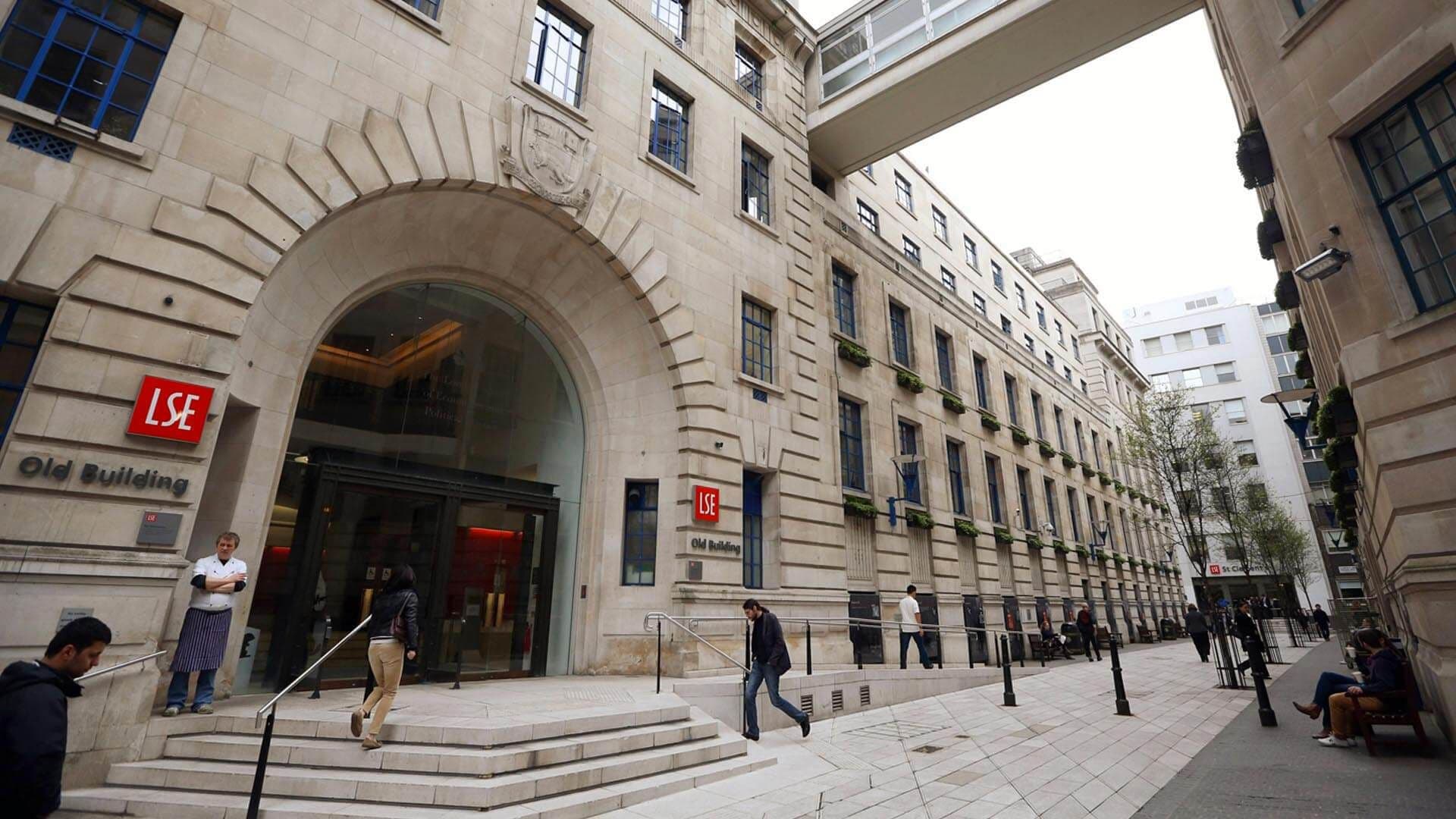
London School of Economics and Political Science (LSE)
London, United Kingdom




Public administration is the study and practice of designing, implementing and managing public policy across government bodies, international organisations and non-profits. It sits at the intersection of political science, economics and management, and prepares graduates to lead the institutions that shape how societies are governed and served.
A Master of Public Administration (MPA) is the flagship professional degree in the field — the public-sector counterpart to an MBA. Alongside the MPA, universities also offer the subject as a Master of Science (MSc) with a stronger analytical and quantitative focus, and as a Master of Public Policy (MPP) for those who want to concentrate on policy design and evaluation. Choosing between them usually comes down to how much you want to emphasise management (MPA) versus policy analysis (MPP or MSc).
Most programmes combine a core in public management, policy analysis, economics for the public sector, and governance and ethics, with electives in areas such as international development, urban policy, public finance, or data-driven policymaking. Many include a capstone project, internship or field consultancy with a real government or non-profit client, so you graduate with practical experience alongside the theory.
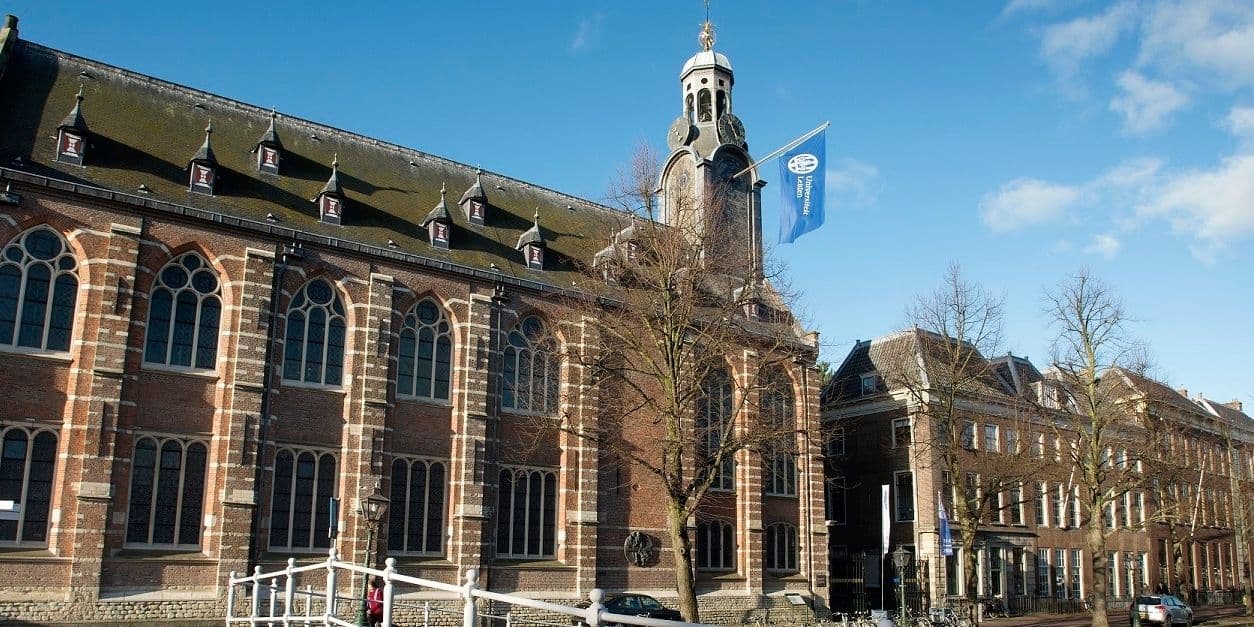
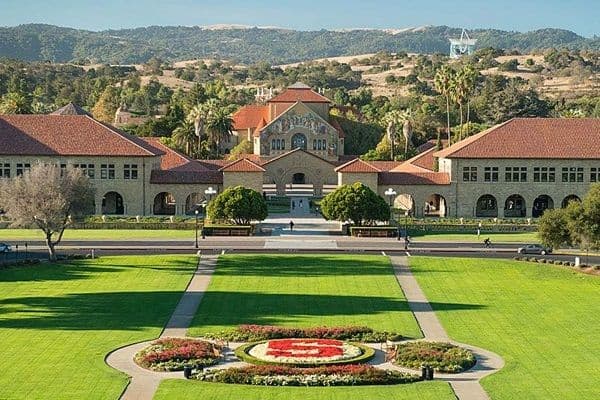
On Stuudy you can compare 41 Master's in Public Administration programmes at 24 universities across six countries — the United States, United Kingdom, Netherlands, Germany, France and Switzerland. The list includes globally leading schools such as the London School of Economics (LSE), Columbia University, Harvard University, Stanford University, UCL, Cornell University, Northwestern University and Leiden University, so you can weigh options from research-intensive policy schools to practice-oriented management programmes.
Tuition varies widely by country and institution — from around $2,400 to over $120,000 per year, with a typical (median) fee near $44,000. Public universities in continental Europe tend to sit at the lower end, while private US policy schools sit at the top. Use each programme page to see the exact fee, city and living-cost context before you build your shortlist.
Graduates move into roles across the public and social sectors: policy analyst, programme manager, city or public administrator, and positions in international organisations such as the UN, World Bank and OECD, as well as NGOs and consultancies advising government. The degree is valued wherever leadership meets public value — increasingly including the public-interest side of the private sector.
Start from the outcome you want: a management-heavy MPA for leadership roles, or an MPP or MSc for analytical policy work. Then filter by country (cost, language and work-visa options), university strengths and specialisation. Compare the programmes below to find the right fit.
Still exploring? Compare Public Policy, International Relations, Political Science and Public Health.
Master of Public Administration · Full-time · On Campus
London School of Economics and Political Science (LSE)
London, United Kingdom
Master of Science · Full-time · On Campus
London School of Economics and Political Science (LSE)
London, United Kingdom
S. Master · Full-time · On Campus
London School of Economics and Political Science (LSE)
London, United Kingdom
Master of Public Administration · Full-time · On Campus

Columbia University
New York, United States
Studying Public Administration is more than just learning about government — it’s about shaping the systems that improve people’s lives. By choosing the right programme and institution, you’ll gain expertise in public policy, leadership, and governance while developing problem-solving and decision-making skills essential for today’s complex societies.
Whether you aim to design effective policies, manage public finances, or lead international development initiatives, Public Administration opens doors to impactful careers in government, NGOs, and global organisations. This field empowers you to drive change, promote equity, and ensure sustainable growth for future generations. 🌍🏛️



.webp&w=3840&q=75)