Master of Arts · Full-time · On Campus

Harvard University
Cambridge, United States
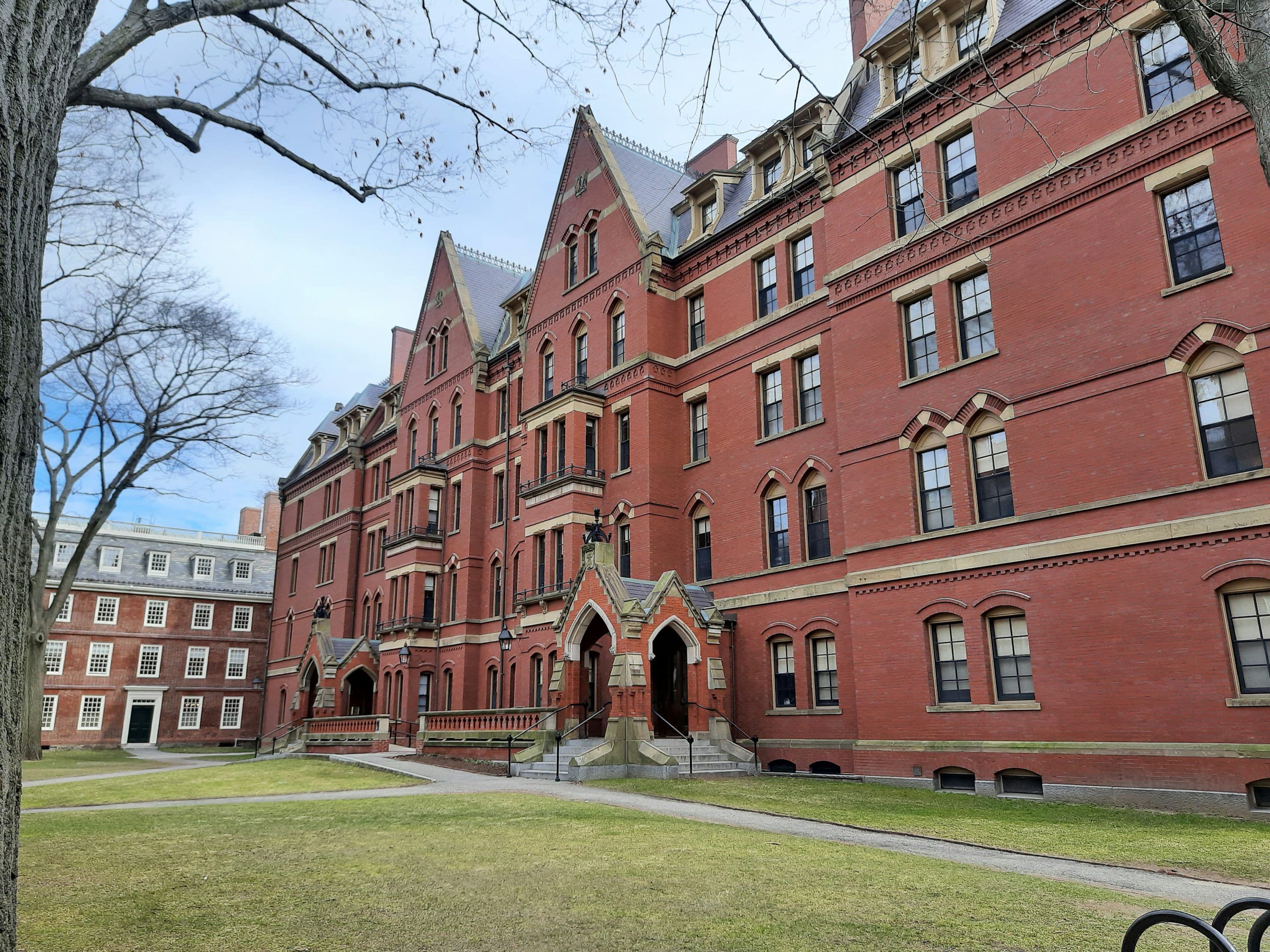
The Anthropology program provides advanced training in the study of human societies, cultures, and behaviors, preparing students to analyze and understand social structures, cultural dynamics, and human diversity. Students explore topics such as cultural anthropology, social theory, ethnographic methods, and comparative studies, developing the ability to conduct rigorous research and interpret human experiences across contexts. The curriculum emphasizes research skills and critical analysis, allowing students to integrate theoretical frameworks with fieldwork, case studies, and collaborative projects. Through lectures, seminars, and applied research exercises, participants gain hands-on experience in designing research studies, collecting qualitative and quantitative data, and analyzing cultural and social phenomena.
In addition to technical expertise, the program fosters analytical thinking, research proficiency, and professional communication, equipping students to assess cultural practices, interpret social trends, and contribute to interdisciplinary scholarship. Applied projects, fieldwork, and independent research allow participants to explore real-world social challenges, develop innovative solutions, and engage meaningfully with communities and academic debates. Graduates leave the program prepared for careers in research, cultural consultancy, international development, education, or to pursue doctoral studies in anthropology, sociology, or related fields.
Semester 1 – Foundations in Anthropology
Semester 2 – Applied Research & Capstone
Graduates of this program are prepared for careers in research, cultural consultancy, international development, education, and policy analysis, taking on roles such as anthropological researchers, cultural advisors, program officers, and educators. The program equips students with analytical, research, and applied skills, enabling them to conduct rigorous investigations, interpret social and cultural data, and provide informed recommendations for organizations and communities. Additionally, graduates are well-prepared for further academic studies, including doctoral programs in anthropology, sociology, or related fields, positioning them for specialist and leadership roles in research institutions, NGOs, governmental agencies, and educational organizations.
This program provides a comprehensive and applied learning experience that integrates anthropological theory, research methods, and applied fieldwork, preparing students to analyze human societies and contribute meaningfully to interdisciplinary scholarship. Through lectures, seminars, workshops, and independent research, students develop practical skills in ethnographic study, cultural analysis, and professional communication. The curriculum fosters critical thinking, analytical proficiency, and ethical insight, ensuring graduates are capable of conducting high-quality research and addressing complex social and cultural challenges. By combining theoretical knowledge with hands-on experience, the program equips students with the expertise, confidence, and professional readiness needed to excel in careers in anthropology and related fields.
For further information, please contact the admissions office at:
Phone: +1 617 495 1000
Email: admissions@harvard.edu
Address: University of Harvard, Cambridge, MA 02138, United States
Master of Arts · Full-time · On Campus
Harvard University
Cambridge, United States
Master of Education · Part-time · Online
Harvard University
Cambridge, United States
Bachelor of Arts · Full-time · On Campus
Harvard University
Cambridge, United States
S. Master · Part-time · On Campus
Harvard University
Cambridge, United States
