Bachelor of Science · Full-time · On Campus
University of North Carolina at Chapel Hill
Chapel Hill, United States
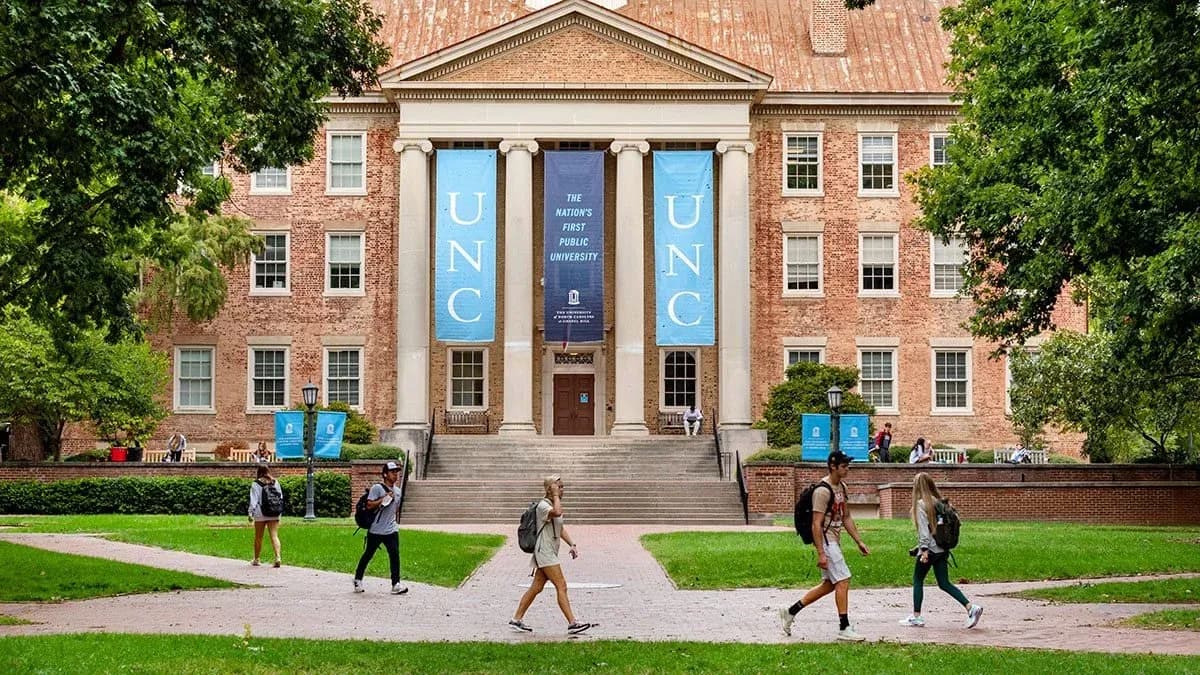
The Addiction Counseling Master of Arts program at the University of North Carolina provides students with a thorough academic and practical foundation for understanding and addressing substance use disorders and related behavioral challenges. The curriculum emphasizes theoretical frameworks, evidence based interventions and counseling techniques that support individual and group recovery processes. Students develop clinical assessment, therapeutic intervention, ethical practice and strong communication skills, equipping them to provide professional guidance in varied treatment settings while fostering lasting change for clients.
Throughout the program, students engage in supervised field experiences, seminars and research projects that integrate theoretical knowledge with hands on practice. Faculty mentorship supports learners in developing critical thinking, case conceptualization and treatment planning abilities. The program encourages reflective practice, cultural competence and an understanding of the social, psychological and biological factors influencing addiction, helping students strengthen clinical reasoning, research informed practice, interpersonal skills and professional judgment. This combination ensures graduates are prepared to meet the complex demands of addiction counseling with confidence and skill.
Semester 1 Foundations in Addiction Counseling
• Introduction to Addiction Studies
• Counseling Theories and Techniques
• Human Development and Behavior
• Ethics and Professional Standards
Semester 2 Applied Counseling Methods
• Assessment and Diagnosis in Addiction
• Group Counseling and Dynamics
• Multicultural Counseling Approaches
• Research Methods in Counseling
Semester 3 Clinical Practice and Intervention
• Evidence Based Treatment Strategies
• Case Management and Program Planning
• Counseling Practicum
• Advanced Intervention Techniques
Semester 4 Internship and Professional Development
• Clinical Internship in Addiction Counseling
• Advanced Counseling Strategies
• Treatment Planning and Outcome Evaluation
• Professional Preparation and Portfolio Development
Graduates of this program are equipped to work in a variety of professional settings where addiction treatment, counseling and behavioral support are required. Many pursue careers in rehabilitation centers, community mental health agencies, hospital behavioral health departments and private counseling practices, applying evidence based approaches to support clients in recovery. Others work in prevention programs, nonprofit organizations, educational settings or research initiatives focused on substance use and behavioral health. The programs emphasis on clinical skills, applied practice and research literacy enables graduates to provide comprehensive care, design effective intervention plans and adapt to diverse client populations. These skills also lay the foundation for licensure and long term professional advancement within the counseling and behavioral health fields.
This program is an excellent choice for students who want to combine a deep understanding of addiction with practical counseling skills and evidence based intervention strategies. Its curriculum emphasizes the integration of theory, research and applied practice to prepare students for complex professional challenges in addiction counseling. Faculty mentorship supports the development of clinical reasoning, treatment planning, ethical decision making and professional communication skills. Students also gain insight into the social, cultural and psychological factors that influence addiction, enabling them to provide culturally sensitive and individualized care. Through practicum and internship placements, learners develop advanced clinical competence, research informed counseling, therapeutic intervention skills and professional readiness, equipping them to work effectively in diverse addiction treatment environments. With its focus on applied experience, ethical practice and interdisciplinary knowledge, the program provides a comprehensive foundation for graduates seeking to make a meaningful impact in the field of addiction counseling.
Phone: +1 (919) 966-3621
Email: unchelp@admissions.unc.edu
Address: Jackson Hall, 174 Country Club Road, Chapel Hill, NC 27514, USA
Bachelor of Science · Full-time · On Campus
University of North Carolina at Chapel Hill
Chapel Hill, United States
Bachelor of Science · Full-time · On Campus
University of North Carolina at Chapel Hill
Chapel Hill, United States
Master of Arts · Full-time · On Campus
University of North Carolina at Chapel Hill
Chapel Hill, United States
Bachelor of Arts · Full-time · On Campus
University of North Carolina at Chapel Hill
Chapel Hill, United States
