Bachelor of Arts · Full-time · On Campus

Stanford University
Stanford, United States
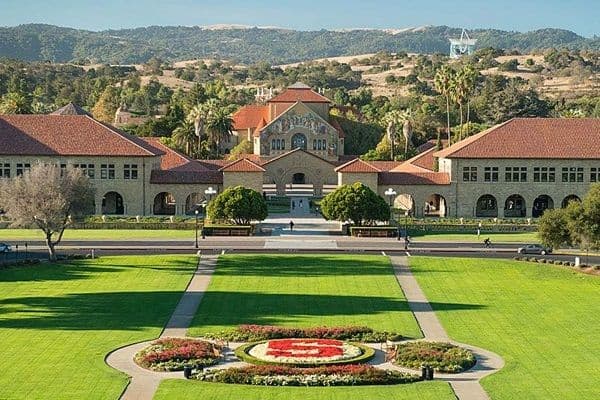
The Bachelor of Science in Aeronautics and Astronautics at University of Stanford offers a rigorous education in the design, analysis, and operation of air and space vehicles. In the first year, students acquire foundational knowledge in physics, mathematics, engineering principles, and computational methods, developing analytical thinking, problem-solving skills, technical proficiency, and research capabilities. Through lectures, laboratory exercises, and collaborative projects, students gain hands-on experience in mechanics, aerodynamics, and control systems, forming a strong foundation for advanced study in aerospace engineering and applied research.
As students progress, the curriculum emphasizes flight mechanics, spacecraft design, propulsion, systems engineering, and independent research projects. Honors-level coursework and seminars refine students’ technical expertise, analytical reasoning, research methodology, and applied problem-solving abilities. The program encourages students to engage in original research, design and test aerospace systems, and tackle complex engineering challenges. By graduation, students are prepared for careers in aerospace design, space exploration, defense, research, or advanced graduate study in aeronautics, astronautics, or related engineering fields.
Year 1 – Foundations in Aeronautics and Astronautics
• Introduction to Aerospace Engineering
• Calculus and Linear Algebra
• Physics for Engineers
• Research Methods in Engineering
• Writing and Critical Thinking in Technical Studies
Year 2 – Core Aerospace Studies
• Aerodynamics and Fluid Mechanics
• Mechanics of Materials and Structures
• Dynamics and Control Systems
• Seminar: Research Methods in Aerospace
• Electives in Computational Methods or Engineering Design
Year 3 – Advanced Applications
• Propulsion Systems and Spacecraft Engineering
• Flight Mechanics and Vehicle Design
• Independent Research Projects
• Applied Laboratory and Simulation Work
• Electives in Specialized Aerospace Topics
Year 4 – Capstone and Honors Project
• Senior Thesis or Independent Research Project
• Advanced Seminar in Aeronautics and Astronautics
• Systems Integration and Applied Design
• Presentation and Academic Portfolio Development
• Specialized Electives in Aerospace Systems, Flight Dynamics, or Space Technology
Graduates of this program are prepared for careers in aerospace engineering, space exploration, defense, research, and technology development. The curriculum develops technical expertise, analytical skills, problem-solving abilities, and research proficiency, enabling students to pursue roles as aerospace engineers, spacecraft designers, flight systems analysts, propulsion engineers, or research scientists. Hands-on experience through laboratory projects, simulations, and independent research ensures that graduates can design, evaluate, and optimize complex aerospace systems. Additionally, the program provides a strong foundation for graduate study in aeronautics, astronautics, mechanical engineering, or related engineering fields, equipping students to lead in innovation and technology-driven industries.
This program is ideal for students who wish to combine theoretical knowledge with practical experience in aerospace engineering and space systems. Its structure emphasizes critical thinking, technical proficiency, research methodology, and applied problem-solving, providing students with both conceptual understanding and hands-on skills. Through seminars, independent research, laboratory work, and applied design projects, learners develop the ability to design, analyze, and optimize air and space vehicles, tackle complex engineering challenges, and contribute to technological advancements. Graduates leave with the expertise, confidence, and professional readiness to pursue careers in aerospace engineering, space exploration, defense industries, or advanced graduate study in related fields.
For further information, please contact the admissions office at:
Phone: +1 650 000 0000
Email: admissions@standord.edu
Address: University of Standord, 450 Serra Mall, Stanford, CA 94305, United States
Bachelor of Arts · Full-time · On Campus
Stanford University
Stanford, United States
Bachelor of Science · Full-time · On Campus
Stanford University
Stanford, United States
Bachelor of Science · Full-time · On Campus
Stanford University
Stanford, United States
Bachelor of Science · Full-time · On Campus
Stanford University
Stanford, United States
