Bachelor of Science · Full-time · On Campus
.png&w=640&q=75)
University of Texas at Austin
Austin, United States
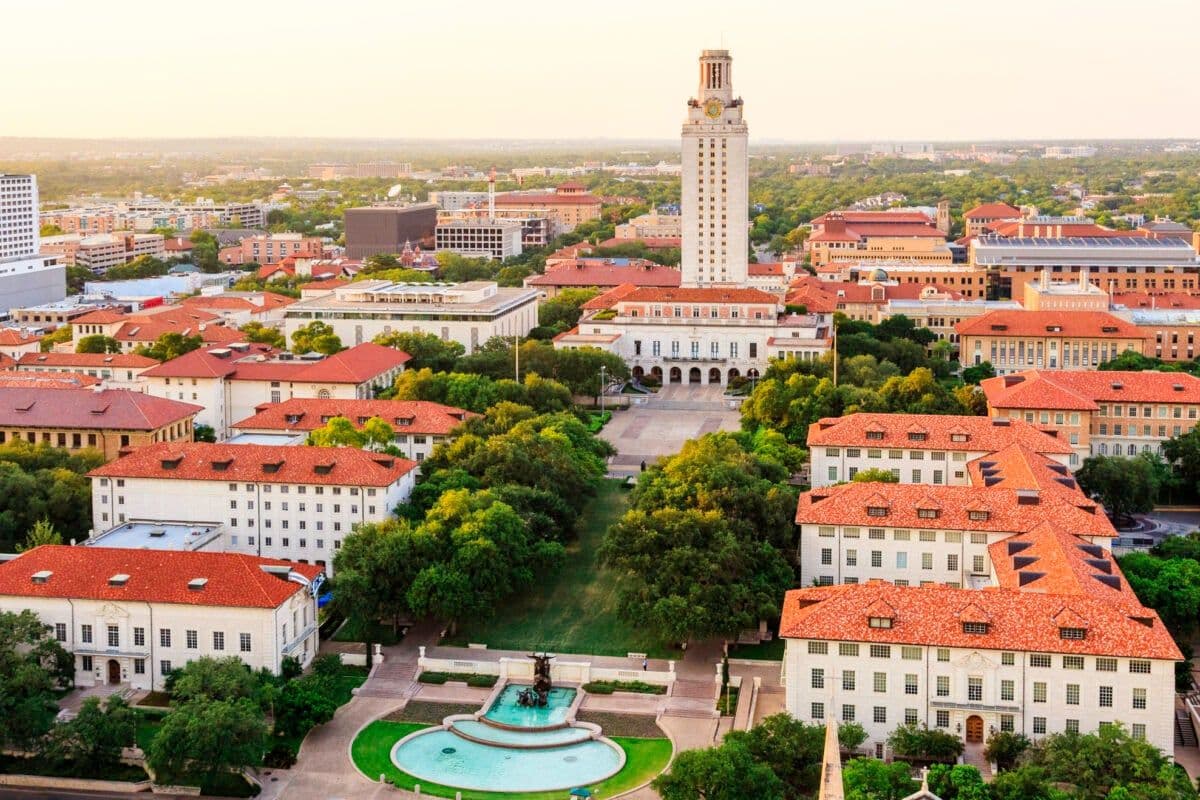
The Aerospace Engineering program offers an intensive and advanced study of aeronautical and astronautical engineering principles, preparing students for specialized careers in aviation, space, and defense industries. Over one year, students gain in-depth knowledge of aerodynamics, propulsion, structural analysis, and control systems, integrating theoretical concepts with practical applications. The curriculum emphasizes analytical problem-solving, computational modeling, and experimental research, allowing learners to address complex engineering challenges. Through labs, simulations, and project-based learning, students develop the skills necessary to contribute to innovative aerospace solutions and technological advancement.
Students also participate in hands-on projects, team-based design challenges, and applied research initiatives, fostering both technical and professional competencies. Mentorship from experienced faculty and collaboration with industry partners enhance practical understanding and career readiness. By the end of the program, graduates leave with strong analytical, engineering, and research skills, equipped to make significant contributions to aerospace technology, innovation, and development.
Semester 1 – Foundations in Aerospace Engineering
Semester 2 – Advanced Analysis & Applied Projects
Graduates are prepared for careers as aerospace engineers, systems analysts, propulsion specialists, and design engineers. They may work in aviation companies, space agencies, defense contractors, or research institutions. The program equips students with advanced skills in design, analysis, and applied research, enabling them to develop, test, and optimize aerospace technologies. Alumni often contribute to aircraft design, spacecraft development, and aerospace innovation projects. With strong technical expertise and applied experience, graduates gain a competitive advantage in engineering and aerospace sectors.
This program is ideal for students seeking specialized knowledge in aerospace engineering with practical and research-oriented experience. The one-year structure allows learners to rapidly develop technical skills, engage in applied projects, and complete advanced research under expert supervision. By participating in labs, simulations, and collaborative design projects, students cultivate critical thinking, problem-solving, and engineering proficiency. The curriculum emphasizes innovation, applied learning, and industry-relevant expertise, preparing graduates to make significant contributions to aerospace development and technology leadership.
For further information, please contact the admissions office at:
Phone: +1 (512) 471-3434
Email: gradadmissions@utexas.edu
Address: 110 Inner Campus Drive, Stop G1800, Austin, TX 78712, USA
Bachelor of Science · Full-time · On Campus
University of Texas at Austin
Austin, United States
Master of Arts · Full-time · On Campus
University of Texas at Austin
Austin, United States
Bachelor of Science · Full-time · On Campus
University of Texas at Austin
Austin, United States
Master of Science · Full-time · On Campus

Imperial College London
London, United Kingdom
