Bachelor of Science · Full-time · On Campus

Duke University
Durham, United States
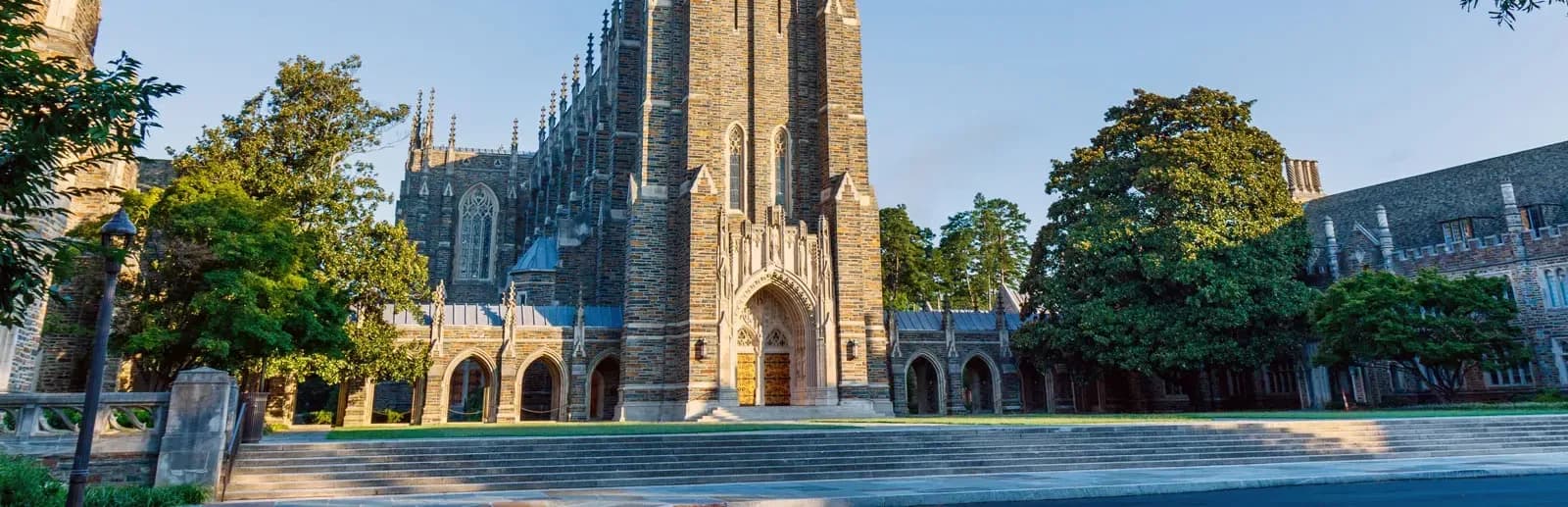
The Bachelor of Arts in African and African American Studies at University of Duke provides students with an in-depth understanding of the historical, cultural, social, and political experiences of African and African American communities. The curriculum combines rigorous academic inquiry with interdisciplinary perspectives, allowing learners to explore topics such as identity, diaspora, resistance, and cultural expression across different historical periods. Students develop key skills in critical analysis, research methodology, and cultural interpretation while engaging with faculty who bring expertise in history, sociology, literature, and social justice studies.
The program emphasizes connections between local, national, and global contexts, helping students examine the impact of African and African American communities on broader social, political, and cultural processes. Through coursework, independent research, and seminars, learners gain the ability to conduct scholarly research, critically evaluate primary and secondary sources, and articulate well-informed perspectives on complex social issues. Graduates are prepared to engage thoughtfully in academic, professional, and community environments with strong skills in evidence-based reasoning and analytical thinking.
Year 1 – Foundations in African and African American Studies
Year 2 – Historical and Cultural Development
Year 3 – Contemporary Issues and Thematic Study
Year 4 – Capstone Research & Professional Preparation
Graduates of this program can pursue careers that value deep cultural knowledge, research skills, and social awareness. Many find opportunities in research institutions, nonprofit organizations, education, and public policy, where expertise in African and African American studies supports informed decision-making, advocacy, and program development. Additional pathways include journalism, cultural heritage management, community outreach, and creative industries that require cultural literacy and analytical insight. The program also provides a strong foundation for graduate studies in history, ethnic studies, sociology, law, or public administration, preparing students for roles that demand structured research, critical thinking, and analytical proficiency in understanding societal issues.
This program is well suited for students who want to explore the histories, cultures, and social dynamics of African and African American communities through rigorous academic training, interdisciplinary research, and critical cultural analysis. The four-year format provides learners with the time and flexibility to pursue both foundational study and specialized thematic inquiry, while engaging in research projects that strengthen analytical skills and intellectual independence. Faculty mentorship and exposure to diverse sources help students develop confidence in evaluating complex social issues, constructing evidence-based arguments, and presenting insights clearly. Graduates leave the program with a robust academic profile and the ability to pursue advanced study or professional roles requiring thoughtful, research-driven understanding.
For further information, please contact the admissions office at:
Phone: +1 (919) 684-8111
Email: admissions@duke.edu
Address: University of Duke, Durham, North Carolina, United States
Bachelor of Science · Full-time · On Campus
Duke University
Durham, United States
Bachelor of Science · Full-time · On Campus
Duke University
Durham, United States
Master of Arts · Full-time · On Campus
Duke University
Durham, United States
Bachelor of Science · Full-time · On Campus
Duke University
Durham, United States
