Master of Science · Full-time · On Campus

Johns Hopkins University
Baltimore, United States
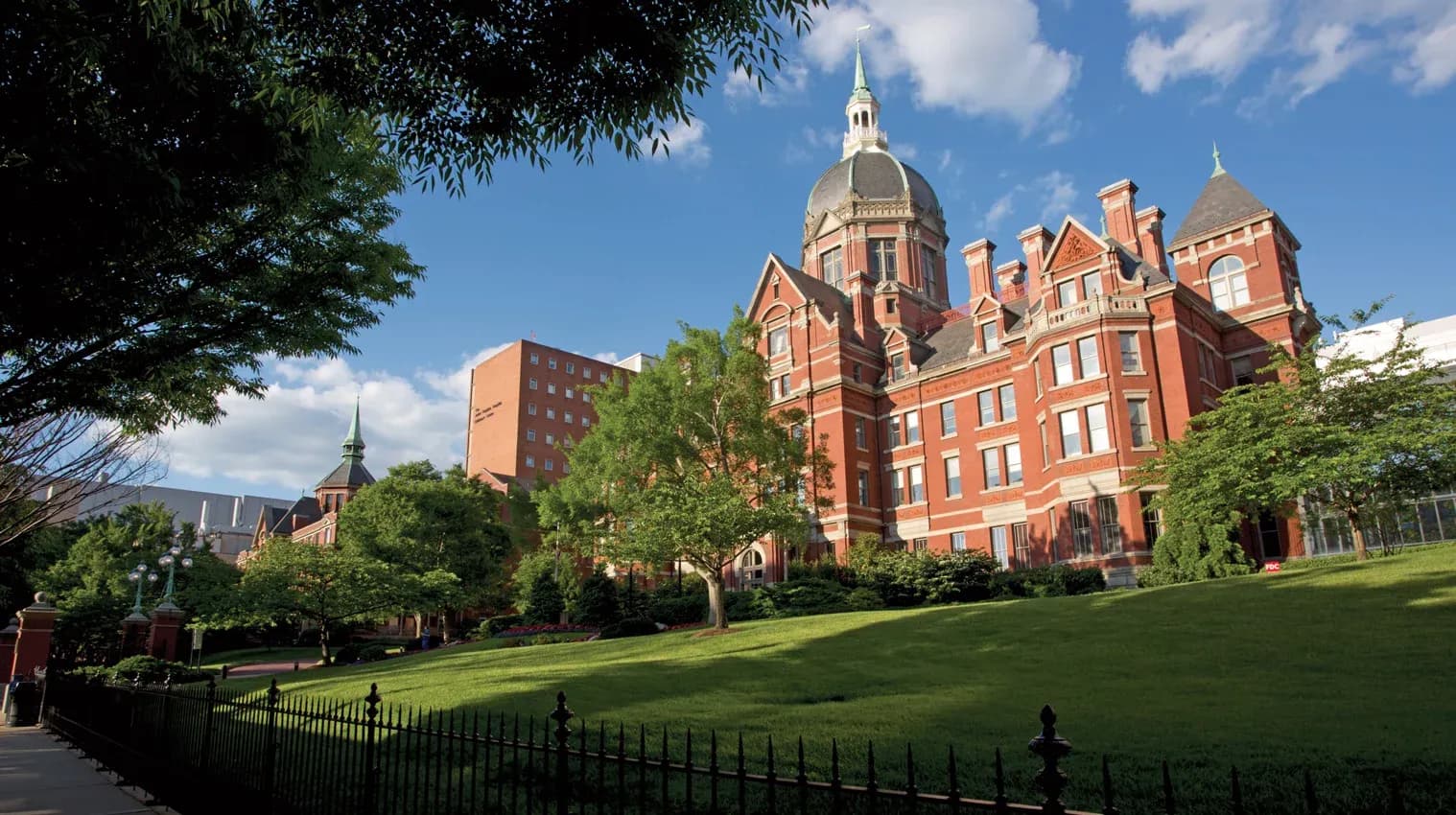
The Africana Studies program at Johns Hopkins University offers an interdisciplinary and globally conscious approach to the study of Africa and its diasporas. Rooted in critical inquiry, this program explores the historical, political, cultural, and social experiences of people of African descent across continents and time periods. Students examine complex global issues such as colonialism, migration, race, identity, and resistance through the lenses of history, literature, anthropology, and political science. This broad-based curriculum helps students understand how African and diasporic contributions have shaped and continue to influence contemporary societies.
In addition to rigorous academic coursework, students benefit from a dynamic learning environment where they engage with primary sources, archival materials, and community-based projects. Courses are taught by faculty with expertise in African American studies, African history, Caribbean literature, and global Black movements. Through small seminars, research opportunities, and interdisciplinary collaboration, students sharpen their analytical, writing, and communication skills while building a nuanced understanding of the African world. The program not only fosters academic depth but also encourages civic awareness and critical reflection on global justice and equity
Year 1 – Foundations in Africana Thought
Year 2 – Historical and Cultural Perspectives
Year 3 – Theory and Thematic Exploration
Year 4 – Research and Engagement
Graduates of the Africana Studies program enter the workforce with a strong foundation in critical analysis, cultural understanding, and global awareness—skills that are highly valued across multiple sectors. They pursue careers in education, nonprofit organizations, international development, and media and journalism, where cultural literacy and social engagement are essential. Others find roles in public policy, museums, or community advocacy, contributing to initiatives focused on racial equity, social justice, and cultural preservation. The program also prepares students for advanced studies in law, social sciences, or humanities. With their interdisciplinary training and commitment to understanding complex global issues, Africana Studies graduates are equipped to make meaningful contributions in academic, professional, and civic arenas.
Johns Hopkins University’s Africana Studies program offers a distinctive and transformative academic journey grounded in interdisciplinary learning and global relevance. Students gain access to a vibrant intellectual community where they explore underrepresented narratives, challenge dominant historical frameworks, and engage deeply with the African world’s past and present. With opportunities for individualized research, close faculty mentorship, and cross-departmental collaboration, the program fosters both academic excellence and social responsibility. For those seeking to understand systemic inequality, celebrate cultural resilience, and develop tools for social change, this program provides the ideal foundation for a purpose-driven and intellectually rich education.
For further information, please contact the admissions office at:
Phone: +1 410 516 8000
Email: admissions@jhu.edu
Address: Johns Hopkins University, 3400 N. Charles Street, Baltimore, MD 21218, USA
Master of Science · Full-time · On Campus
Johns Hopkins University
Baltimore, United States
Master of Arts · Full-time · On Campus
Johns Hopkins University
Baltimore, United States
Master of Arts · Full-time · On Campus
Johns Hopkins University
Baltimore, United States
Master of Science · Full-time · On Campus
Johns Hopkins University
Baltimore, United States
