Bachelor of Arts · Full-time · On Campus

Vanderbilt University
Nashville, United States
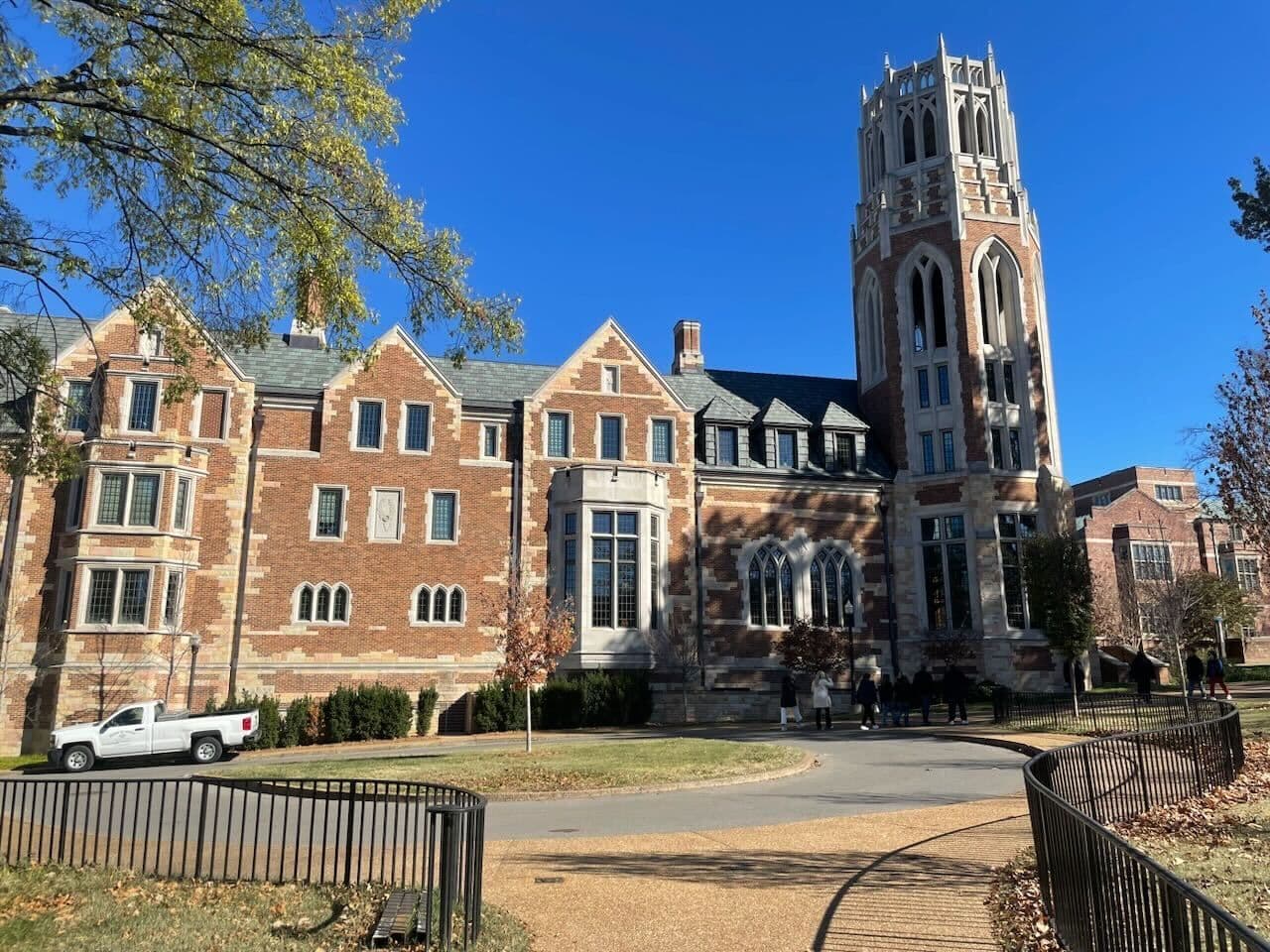
The African-American and Diaspora Studies program at Vanderbilt University is an interdisciplinary and historically grounded exploration of Black experiences, cultures, and intellectual traditions across the Americas and the broader African diaspora. The curriculum centers on the social, political, artistic, and cultural contributions of African-descended people, examining how their histories have shaped and continue to influence global systems of power, identity, and resistance. Students engage with a wide range of topics including race and ethnicity, migration, colonialism, civil rights movements, and diasporic connections, developing critical insight into how the African diaspora has transformed the modern world. Through coursework in literature, history, politics, art, and sociology, the program promotes deep analytical thinking and cultural awareness.
Designed to foster both intellectual rigor and social engagement, the program combines academic inquiry with an emphasis on public scholarship, activism, and community-based research. Students learn to analyze historical narratives, media representations, policy developments, and institutional structures while developing skills in writing, critical theory, and cultural analysis. The curriculum encourages students to challenge dominant perspectives and engage in comparative studies across regions and time periods. Through close mentorship, experiential learning, and access to Vanderbilt’s archival and community resources, students graduate with a nuanced understanding of racial formations and the global dynamics of the African diaspora. The program cultivates critical consciousness, interdisciplinary fluency, historical depth, and cultural competency, preparing students for both academic and civic leadership.
Year 1 – Foundations in Race and Culture
• Introduction to African-American Studies
• Race, Power, and Representation
• Writing and Research in the Humanities
• African Diaspora in Global Context
Year 2 – Intellectual Histories and Social Movements
• Black Political Thought
• African-American Literature and Arts
• Civil Rights in Historical Perspective
• Migration, Identity, and Diaspora
Year 3 – Comparative and Interdisciplinary Approaches
• Black Feminist Theory
• Diaspora and Transnationalism
• African-American History Since 1865
• Race and Media in Contemporary Society
Year 4 – Capstone Engagement and Advanced Research
• Seminar in African-American Intellectual History
• Independent Research in Diaspora Studies
• Cultural Politics and Black Radical Traditions
• Senior Thesis or Community-Based Project
Graduates of this program are equipped to pursue a wide array of professional pathways in sectors that value cultural literacy, social analysis, and historical understanding. Career opportunities include roles in nonprofit organizations, education, public policy, and media and communications, where graduates can influence discourse around race, equity, and social justice. Alumni may work as program coordinators in community development, diversity officers in corporate or academic settings, or researchers in think tanks and policy institutions focused on civil rights and multicultural engagement. The program’s emphasis on interdisciplinary research and critical thinking also prepares students for careers in journalism, museum curation, and international human rights, where storytelling, interpretation, and advocacy play central roles. Many graduates go on to pursue advanced degrees in law, history, sociology, public health, or cultural studies, deepening their focus on systemic change and intersectional justice. The analytical tools, ethical frameworks, and communication skills developed throughout the program ensure that graduates can navigate complex professional spaces with confidence, contribute to inclusive leadership, and address pressing global issues from informed and empathetic perspectives. Whether in academia, government, activism, or cross-cultural consultancy, this degree opens doors to careers grounded in justice, knowledge, and transformative impact.
This program stands out for its commitment to interdisciplinary excellence and socially engaged scholarship, offering students an education that is both intellectually rich and ethically grounded. At Vanderbilt, students benefit from a faculty deeply involved in cutting-edge research on race, diaspora, and social transformation, as well as access to extensive archives, community partnerships, and national policy networks. The curriculum encourages students to approach history and culture through critical lenses, bridging theory with lived experience and connecting classroom study to broader movements for change. The opportunity to work on independent research, study abroad in African or Caribbean regions, or participate in community-engaged projects allows for immersive and practical learning. With its emphasis on equity, history, identity, and resistance, the program is ideal for students who seek to understand and challenge structural inequality while building a career rooted in advocacy, scholarship, and meaningful public contribution. Vanderbilt’s African-American and Diaspora Studies degree empowers graduates to become thoughtful analysts, creative problem solvers, and committed leaders in an increasingly complex and multicultural world.
For further information, please contact the admissions office at:
Phone: (615) 322-2561
Email: admissions@vanderbilt.edu
Address: University of Vanderbilt, Office of Undergraduate Admissions, 2305 West End Avenue, Nashville, TN 37203‑1727, United States
Bachelor of Arts · Full-time · On Campus
Vanderbilt University
Nashville, United States
Bachelor of Science · Full-time · On Campus
Vanderbilt University
Nashville, United States
Master of Arts · Full-time · On Campus
Vanderbilt University
Nashville, United States
Bachelor of Arts · Full-time · On Campus
Vanderbilt University
Nashville, United States
