Bachelor of Science · Full-time · On Campus
Cornell University
Ithaca, United States
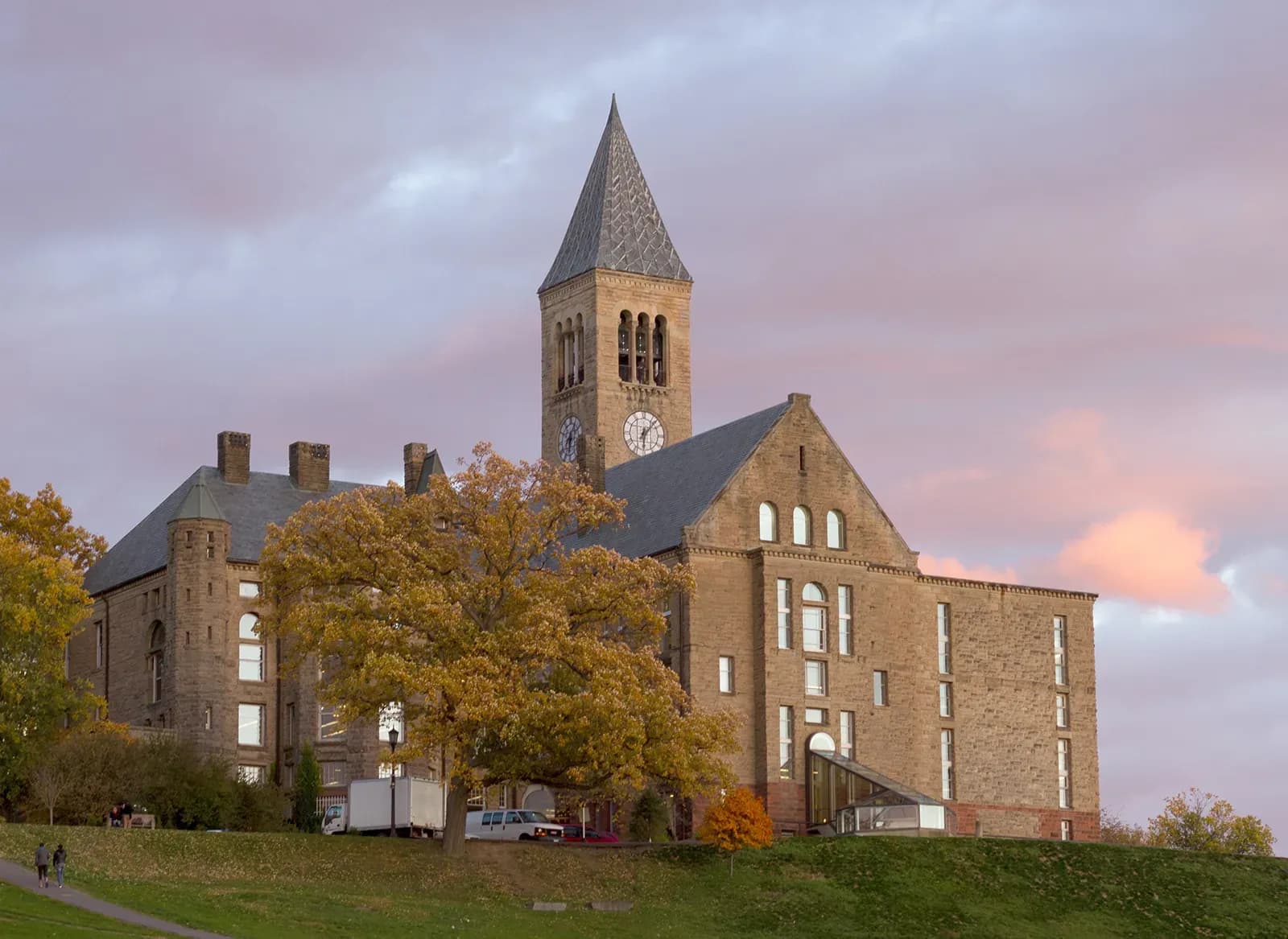
The Bachelor of Science in Agricultural Sciences at Cornell University offers a broad and adaptable education focused on the science, sustainability, and innovation behind modern food and farming systems. Rooted in biology, ecology, economics, and policy, this interdisciplinary program allows students to study the full scope of agriculture—from soil science and crop production to food systems and climate resilience. The curriculum is designed to foster a systems-based understanding of agriculture, blending classroom learning with hands-on experiences that prepare students to address the global challenges of food security, environmental health, and sustainable land use.
Throughout four years of study, students tailor their academic paths with flexible elective options in areas such as animal science, agribusiness, plant biology, or international agriculture. Practical learning is emphasized through field courses, internships, and engagement with Cornell’s research farms and agricultural centers. Faculty mentorship and access to interdisciplinary projects provide students with opportunities to explore emerging trends in agricultural technology, environmental policy, and rural development. The program prepares graduates not only to work within agricultural industries, but to lead systemic change in how we grow, distribute, and consume food.
Year 1 – Foundations in Agriculture and Life Sciences
Year 2 – Core Agricultural Principles
Year 3 – Specialization and Applied Practices
Year 4 – Leadership, Policy, and Capstone
Graduates of the Agricultural Sciences program at Cornell are uniquely prepared for a wide variety of roles across the global food and agriculture landscape. Many pursue careers in agronomy, farm management, agricultural policy, sustainable development, and agricultural education, applying their interdisciplinary training to real-world challenges. Common roles include crop consultants, research technicians, policy advisors, sustainability coordinators, and extension specialists, working with government agencies, research institutions, agribusinesses, and nonprofits. Others pursue advanced degrees in plant science, animal science, agricultural economics, or public policy to deepen their impact in food systems, rural economies, and global agriculture. With a flexible curriculum and real-world experience, graduates are equipped to contribute meaningfully to shaping sustainable, equitable, and resilient agricultural systems.
Cornell’s Agricultural Sciences program offers a comprehensive, hands-on, and systems-based education tailored for students passionate about agriculture and sustainability. Unlike narrowly focused programs, this degree fosters broad knowledge across plant, animal, environmental, and economic domains, enabling students to adapt and lead in a rapidly evolving field. The program emphasizes both academic depth and applied learning, with access to world-class faculty, cutting-edge research farms, and experiential learning opportunities that connect theory to practice. Students are empowered to explore global and local agricultural issues with a strong foundation in science and policy. For those driven to make a difference in food systems, environmental health, and rural communities, this program provides the tools, network, and vision to lead with impact and innovation.
For further information, please contact the admissions office at:
Phone: +1 607 255 2000
Email: admissions@cornell.edu
Address: Cornell University, Ithaca, NY 14850, United States
Bachelor of Science · Full-time · On Campus
Cornell University
Ithaca, United States
Bachelor of Science · Full-time · On Campus
Cornell University
Ithaca, United States
Master of Engineering · Full-time · On Campus
Cornell University
Ithaca, United States
Master of Science · Full-time · On Campus
Cornell University
Ithaca, United States
