Anthropology and Education
The Master of Arts in Anthropology and Education offers an interdisciplinary approach to understanding how cultural, social, and anthropological perspectives shape educational practices and learning environments. The program emphasizes the connection between human behavior, social structures, and educational systems, allowing students to explore how cultural diversity, societal contexts, and historical factors influence teaching and learning. Through this program, students develop cultural analysis, educational research, curriculum development, and pedagogical insight, preparing them to engage thoughtfully with diverse learning communities and design effective educational interventions.
This one year, full time and on campus program provides an academically rigorous environment where students collaborate with faculty experts in anthropology, education policy, and social research. Coursework, field studies, and applied projects encourage learners to examine educational systems, analyze community dynamics, and assess program effectiveness in real world settings. Students strengthen skills in ethnographic research, educational evaluation, community engagement, and policy analysis, equipping them to apply anthropological methods to improve teaching practices, support inclusive learning, and contribute to the development of culturally responsive education programs.
Key Facts
Key Facts
- Program Title: Anthropology and Education
- Degree Type: Master of Arts
- Duration: 1 year
- Mode of Study: Full-time, On Campus
- Application Deadline: 01 April 2026
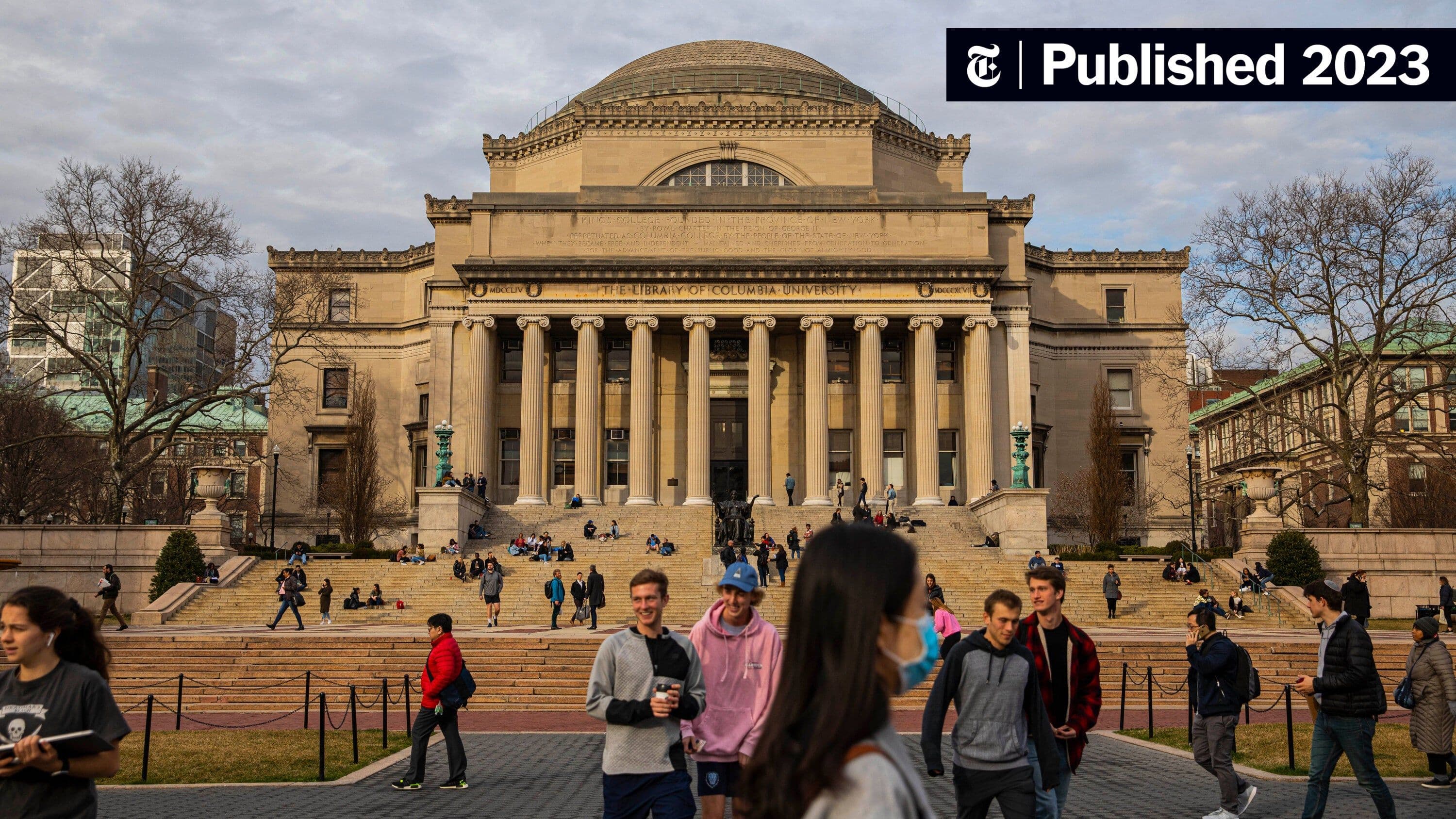
- Location: Columbia University, United States
- Field of Study: Education
- Language of Instruction: English
Program Structure
Semester 1 – Foundations of Anthropology and Education
• Introduction to Anthropology of Education
• Cultural Perspectives on Learning
• Research Methods in Social Sciences
• Curriculum and Pedagogy Analysis
Semester 2 – Applied Research and Educational Practice
• Comparative Education and Community Studies
• Policy and Program Evaluation in Education
• Ethnographic Methods and Fieldwork
• Capstone Project in Anthropology and Education
Career Opportunities
Graduates of this program are prepared for roles where understanding the intersection of culture and education is critical, working in educational policy, curriculum design, community engagement, research analysis, and program development. Career paths include positions in schools, nonprofit organizations, governmental agencies, international education programs, and research institutions that focus on equity, diversity, and culturally responsive practices. Graduates are equipped to conduct field research, design inclusive curricula, evaluate educational initiatives, and provide guidance on culturally informed teaching strategies. The program also supports those pursuing doctoral studies or advisory roles in education, community development, and cross cultural research.
Why Choose This Program
Students choose this program because it provides a unique combination of cultural insight, research driven education, community focused analysis, and applied pedagogical skills, allowing them to understand and address the complex factors influencing learning. The curriculum encourages critical engagement with diverse social contexts, applied research, and collaborative problem solving, equipping learners to design and implement education strategies that reflect the needs of diverse communities. Graduates gain the analytical, research, and leadership skills necessary to contribute meaningfully to educational innovation, policy development, and the advancement of inclusive and culturally informed learning environments.
Contact Information
For further information, please contact the admissions office at:
Phone: +1 212 854 1754
Email: admissions@columbia.edu
Address: University of Columbia, Admissions Office, New York, NY, United States
