.png&w=640&q=75)
Anthropology
Anthropology program provides students with a comprehensive understanding of human societies, cultures, and biological diversity across time and space. Over four years, students explore cultural anthropology, archaeology, linguistic anthropology, and biological anthropology, developing skills in research, observation, and critical analysis. The curriculum integrates theoretical frameworks with practical applications, allowing students to study human behavior, social structures, and cultural practices in diverse contexts. Students also examine issues related to globalization, migration, identity, and social justice, fostering a nuanced understanding of human experiences and societal development.
Students participate in fieldwork, ethnographic research, laboratory analysis, and community-based projects, gaining hands-on experience in data collection, interpretation, and applied research. The program emphasizes critical thinking, analytical skills, and interdisciplinary approaches, preparing graduates to address complex questions about human societies and contribute meaningfully to academic research, policy development, and cultural understanding. Graduates leave with the ability to conduct independent research, communicate findings effectively, and apply anthropological knowledge to real-world contexts.
Key Facts
Key Facts
- Program Title: Anthropology
- Degree Type: Bachelor of Arts
- Duration: 4 years
- Mode of Study: Full-time, On Campus
- Application Deadline: 01 December 2025
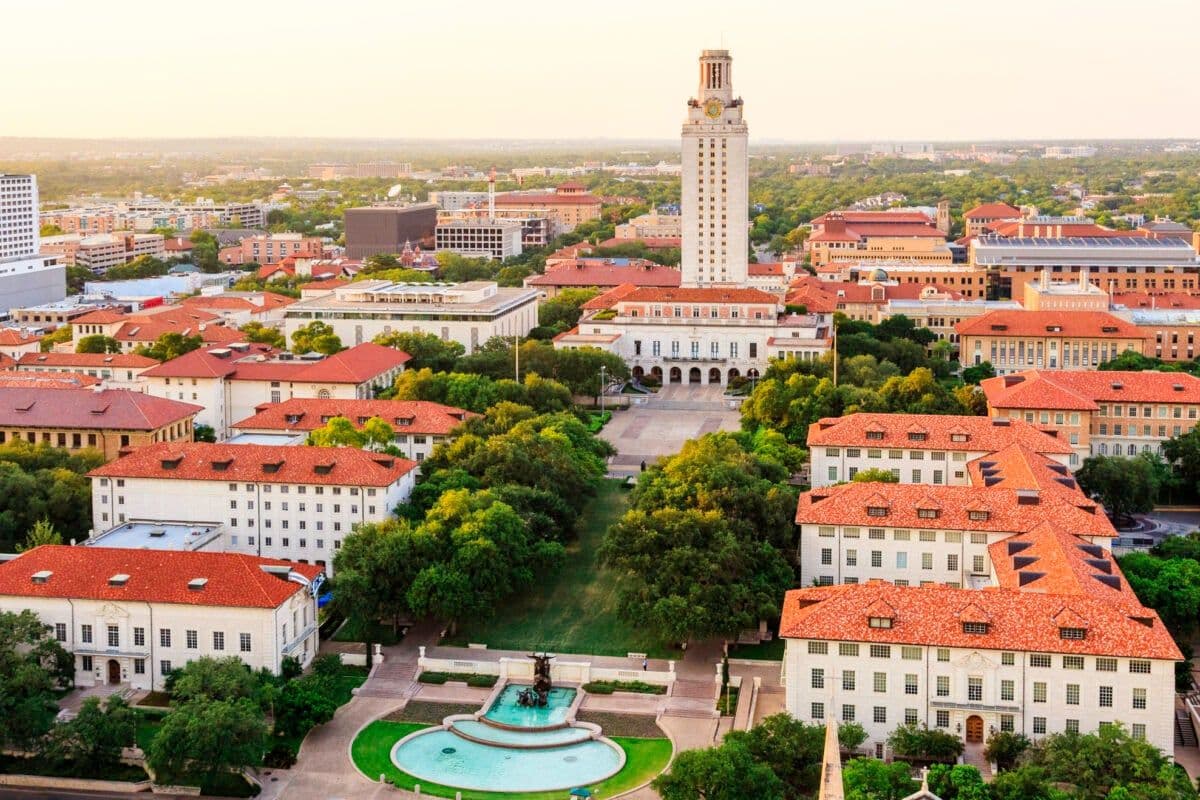
- Location: University of Texas at Austin, United States
- Field of Study: Anthropology
- Language of Instruction: English
Program Structure
Year 1 – Foundations in Anthropology
- Introduction to Cultural Anthropology
- Biological Anthropology and Human Evolution
- Archaeology and Material Culture
- Research Methods in Anthropology
Year 2 – Intermediate Anthropological Studies
- Linguistic Anthropology and Communication
- Social Organization and Cultural Practices
- Field Methods and Ethnographic Techniques
- Comparative Societies and Global Perspectives
Year 3 – Advanced Topics and Applied Research
- Anthropology of Migration and Identity
- Environmental and Ecological Anthropology
- Archaeological Fieldwork and Analysis
- Seminar in Contemporary Anthropological Issues
Year 4 – Capstone Projects and Professional Preparation
- Independent Research Project / Thesis
- Applied Anthropology and Community Engagement
- Internship in Research, NGOs, or Cultural Institutions
- Professional Portfolio Development
Career Opportunities
Graduates are prepared for careers in cultural resource management, research, public policy, education, non-governmental organizations, community development, and heritage management. They may work in research institutions, museums, government agencies, or international organizations, applying anthropological knowledge to social, cultural, and environmental challenges. The program equips students with analytical, research, and communication skills, enabling them to conduct field studies, interpret social data, and implement culturally informed programs. By combining academic learning, applied projects, and practical experience, graduates are prepared to make a meaningful impact in the fields of anthropology, social sciences, and community-focused initiatives.
Why Choose This Program
This program offers a comprehensive and interdisciplinary approach to understanding human societies, combining cultural, biological, archaeological, and linguistic perspectives. Its curriculum fosters critical thinking, research skills, and applied experience, while students engage in fieldwork, community projects, and laboratory analysis. Guided by experienced faculty and supported by access to research facilities and resources, students develop expertise in analyzing human behavior, culture, and social structures. Graduates leave the program with strong analytical abilities, applied research skills, and professional readiness, fully prepared for careers in anthropology, research, policy development, and community-focused fields, contributing meaningfully to social and cultural understanding.
Contact Information
For further information, please contact the admissions office at:
Phone: +1 (512) 471-3434
Email: gradadmissions@utexas.edu
Address: 110 Inner Campus Drive, Stop G1800, Austin, TX 78712, USA
