Master of Science · Full-time · On Campus

Yale University
New Haven, United States
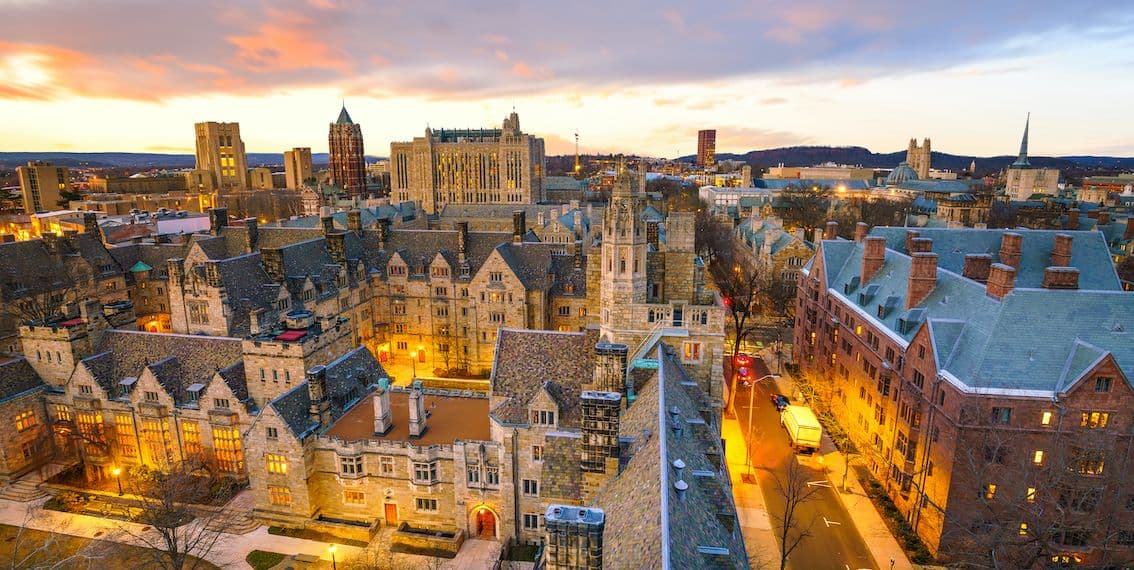
The Bachelor of Arts in Archaeological Studies offers an academically rich and methodologically grounded exploration of ancient societies, material culture, and human history. Students study how past civilizations lived, interacted, and adapted through the scientific examination of artifacts, landscapes, and archaeological sites. The curriculum introduces essential archaeological theories, excavation techniques, and analytical frameworks, enabling learners to interpret physical evidence and contextualize it within broader cultural patterns. This interdisciplinary foundation strengthens cultural interpretation, research precision, historical awareness, and analytical depth, equipping students with the tools needed to examine humanity’s long-term development.
Over four years, students engage with advanced archaeological methods while exploring regional case studies that span ancient civilizations across the globe. Coursework integrates anthropology, geology, environmental science, and historical analysis, creating a multidimensional view of how societies evolve and how material remains reveal social, political, and technological change. Learners gain hands-on experience through laboratory work, field surveys, and excavation training that reinforce theoretical knowledge with practical application. This sustained academic engagement fosters methodological rigor, contextual analysis, scientific investigation, and critical reflection, preparing graduates to contribute meaningfully to archaeological research and cultural heritage preservation.
Year 1 – Foundations of Archaeological Inquiry
· Introduction to Archaeology
· World Prehistory and Early Civilizations
· Methods of Excavation and Field Recording
· Cultural Analysis and Archaeological Interpretation
Year 2 – Core Methods & Material Studies
· Archaeological Theory and Research Design
· Archaeological Lab Methods and Artifact Analysis
· Environmental Archaeology
· Research Methods in Social and Historical Sciences
Year 3 – Advanced Fieldwork & Analytical Techniques
· Regional Archaeology and Case Studies
· Geoarchaeology and Landscape Analysis
· Archaeological Ethics and Cultural Heritage
· Independent Study / Field Research Project
Year 4 – Thesis & Professional Preparation
· Senior Thesis / Excavation-Based Research
· Advanced Seminar in Archaeological Interpretation
· Data Modeling and Material Culture Analysis
· Portfolio Development & Professional Presentation
Graduates of this program pursue careers in fields that rely on strong analytical skills, cultural understanding, and scientific investigation. Many enter roles within museums and cultural institutions, archaeological research centers, heritage preservation organizations, and governmental cultural agencies, where they analyze artifacts, document historical sites, and support conservation projects. Additional opportunities exist in environmental assessment firms, cultural resource management, academic research, nonprofit organizations, and international heritage programs that require expertise in material culture and archaeological methodology. With training in excavation techniques, laboratory analysis, and contextual interpretation, graduates are well prepared to participate in multidisciplinary projects, contribute to heritage documentation, and assist in research initiatives that illuminate past societies. Their ability to evaluate material evidence and communicate findings clearly makes them valuable contributors to both academic and applied archaeological work.
This program is ideal for students seeking a curriculum grounded in comprehensive archaeological training, offering deep engagement with both the scientific and cultural dimensions of the discipline. Over four years, learners develop strong observational skills, research proficiency, and analytical capabilities through excavation experiences, laboratory work, and advanced seminars. The program’s interdisciplinary structure supports industry-relevant expertise by combining archaeological theory with hands-on investigation and cultural analysis. Through guided mentorship, independent research, and exposure to diverse archaeological materials, students cultivate strong interpretive judgment, preparing them for careers or graduate study in archaeology, anthropology, museum studies, or cultural heritage management.
For further information, please contact the admissions office at:
Phone: +1 203 432 2300
Email: admissions@yale.edu
Address: University of Yale, New Haven, CT 06520, United States
Master of Science · Full-time · On Campus
Yale University
New Haven, United States
S. Master · Full-time · On Campus
Yale University
New Haven, United States
Bachelor of Arts · Full-time · On Campus
Yale University
New Haven, United States
Bachelor of Arts · Full-time · On Campus
Yale University
New Haven, United States
