
Archaeology and Materials
The four-year Archaeology and Materials program provides a comprehensive foundation in both the scientific study of materials and their application in understanding historical artifacts. Students explore the chemical, physical, and mechanical properties of materials used in ancient and modern contexts, learning how technological developments influenced cultural and societal evolution. The curriculum integrates laboratory work, field research, and theoretical study, allowing learners to analyze archaeological artifacts while applying principles of materials science. Through practical projects, seminars, and research exercises, students develop critical thinking, problem-solving skills, and a deep understanding of the intersection between science and human history.
Over the course of the program, students engage in excavation projects, laboratory analysis, and interdisciplinary studies that combine archaeology, chemistry, physics, and engineering. Emphasis is placed on scientific methodologies, data interpretation, and applied research, preparing graduates to tackle challenges in both academic and industrial settings. By blending rigorous academic training with hands-on experience, learners gain the knowledge and experience necessary to pursue careers in research, conservation, heritage management, and advanced studies in materials science or archaeology.
Key Facts
Key Facts
- Program Title: Archaeology and Materials
- Degree Type: Bachelor of Science
- Duration: 4 years
- Mode of Study: Full-time, On Campus
- Application Deadline: 04 January 2026
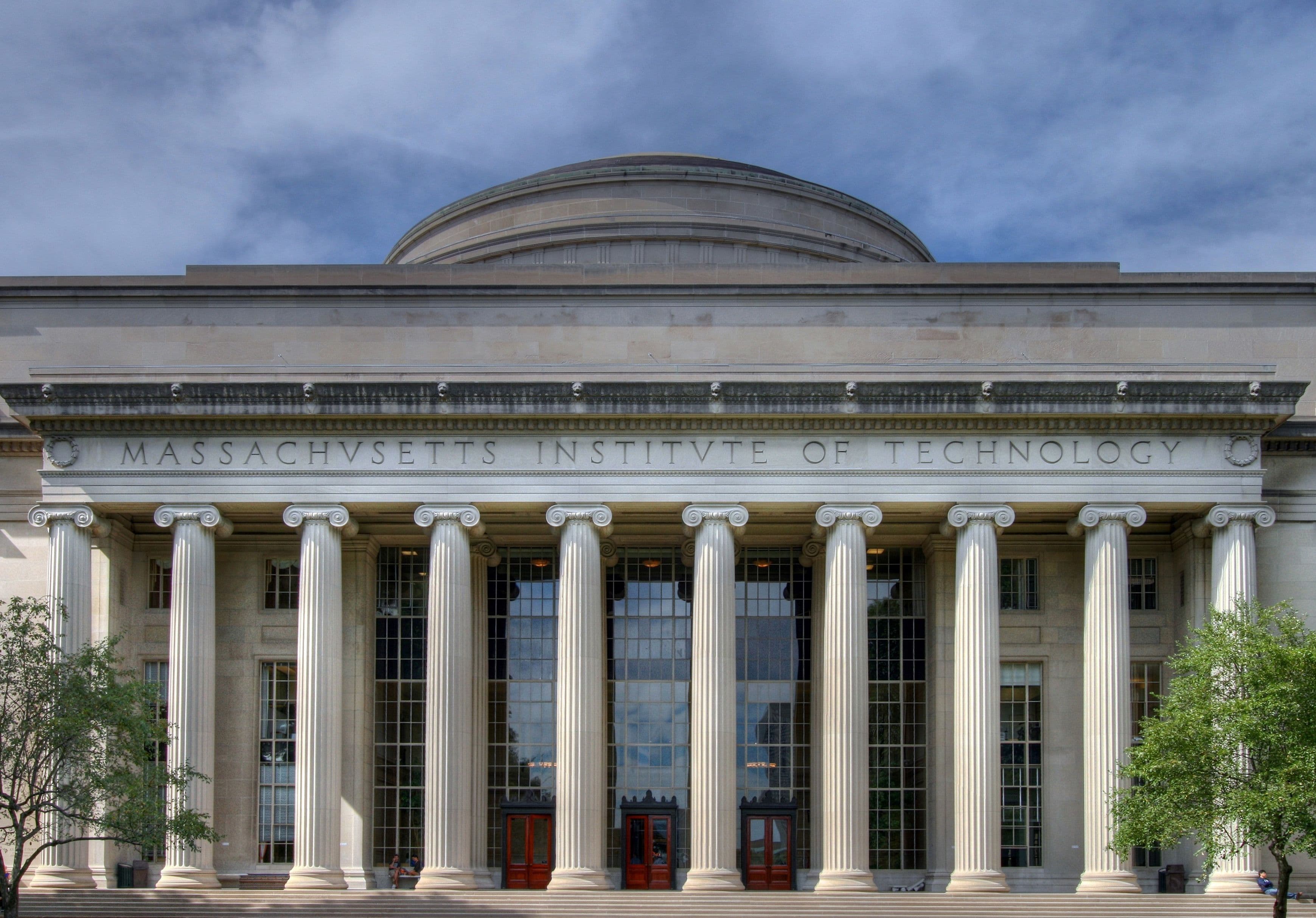
- Location: Massachusetts Institute of Technology (MIT), United States
- Field of Study: Materials Science
- Language of Instruction: English
Program Structure
Year 1 – Foundations in Archaeology and Materials
• Introduction to Archaeology
• Basics of Materials Science
• Laboratory Techniques and Safety
• Academic Writing and Research Methods
Year 2 – Intermediate Analysis & Methods
• Archaeological Field Methods
• Physical and Chemical Properties of Materials
• Data Analysis in Materials Science
• Elective Modules in Science and History
Year 3 – Advanced Topics & Applied Research
• Conservation and Restoration Techniques
• Archaeometry and Artifact Analysis
• Materials Characterization
• Research Projects and Case Studies
Year 4 – Capstone & Thesis
• Independent Research / Thesis
• Seminar on Archaeological Science
• Presentation and Portfolio Development
• Advanced Elective Modules in Materials Science
Career Opportunities
Graduates of this program are prepared for careers in archaeological research, heritage management, conservation, museum studies, materials testing, and scientific research. The program equips students with analytical, laboratory, and fieldwork skills, enabling them to contribute effectively to both academic research and applied industrial projects. Opportunities for internships, fieldwork, and laboratory practice provide practical experience and insight, enhancing graduates’ employability in diverse sectors. Many students also pursue advanced degrees in materials science, archaeology, conservation, or heritage studies, expanding professional opportunities and expertise.
Why Choose This Program
This program offers a unique interdisciplinary approach that combines archaeology with materials science, allowing students to understand the technological and cultural significance of materials throughout history. Learners develop critical thinking, scientific analysis, and practical research skills through laboratory experiments, field projects, and independent studies. The curriculum emphasizes both theoretical foundations and applied methodologies, ensuring graduates leave with both knowledge and experience necessary to pursue advanced studies or professional careers in research, conservation, heritage management, and related scientific fields.
Contact Information
For further information, please contact the admissions office at:
Phone: +1 617-253-1000
Email: admissions@mit.edu
Address: University of MIT, 77 Massachusetts Avenue, Cambridge, MA 02139, USA
