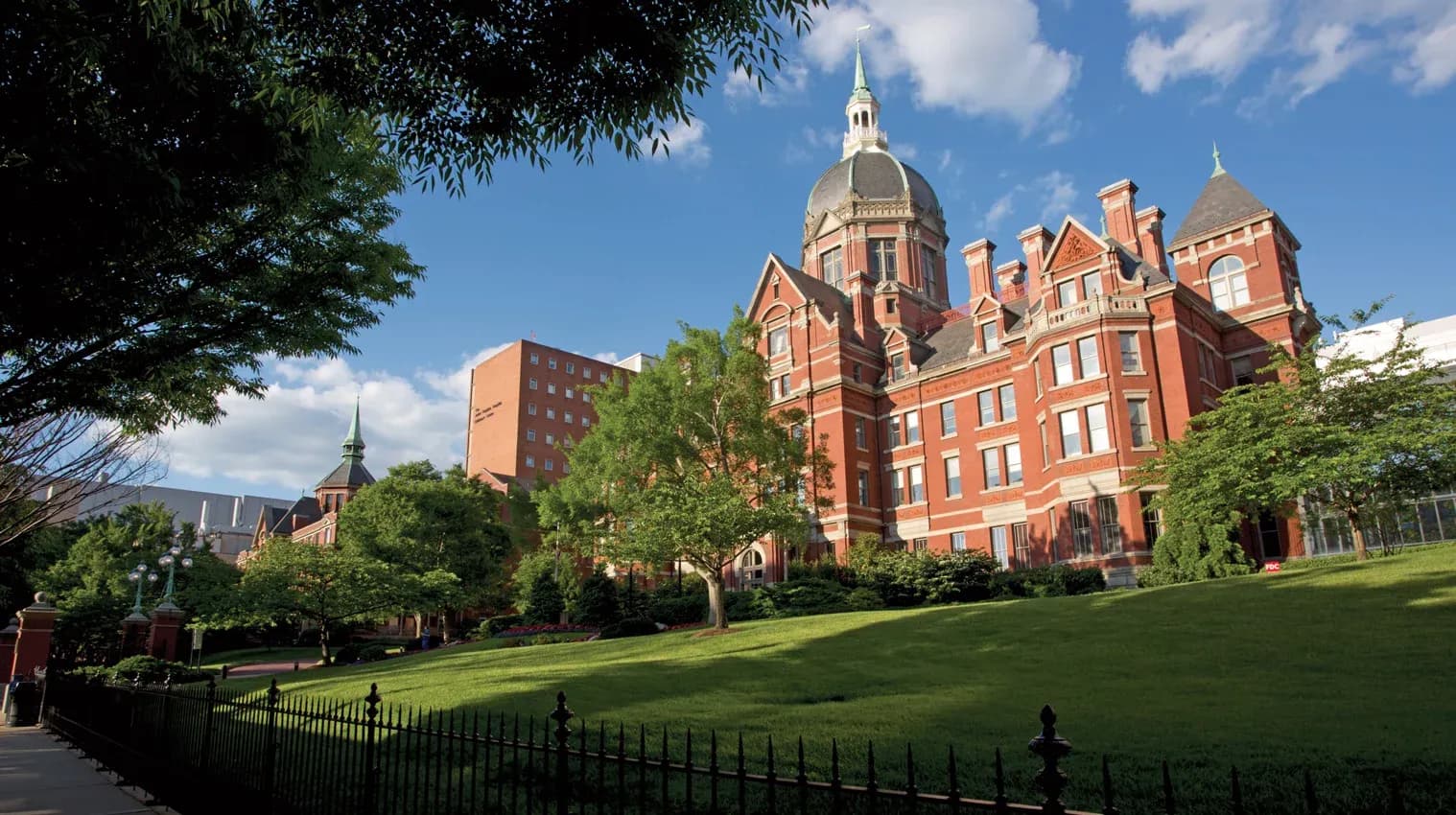

Archaeology
The Archaeology program offers students a multidisciplinary and research-driven exploration of human history through the material remains of past societies. Combining insights from anthropology, history, art history, and the natural sciences, the curriculum equips students with both the theoretical frameworks and field methodologies necessary to uncover and interpret archaeological evidence. Learners investigate themes such as urbanization, trade, religion, and technological innovation across civilizations and time periods, gaining a holistic view of humanity’s shared and divergent experiences. The program emphasizes critical interpretation of artifacts, architecture, and landscapes, encouraging students to connect physical traces of the past with broader cultural narratives.
In addition to classroom learning, the program provides robust opportunities for hands-on experience through excavation training, lab analysis, and digital technologies such as GIS and 3D modeling. Students engage with collections, archives, and fieldwork projects led by faculty, often contributing directly to ongoing archaeological research. With the flexibility to focus on specific regions, time periods, or thematic concerns, students shape an academic pathway that aligns with their intellectual and career interests. The curriculum’s integration of theory, practice, and ethical inquiry prepares students to analyze the past not as static memory, but as living knowledge that shapes modern understanding and global heritage.
Key Facts
Key Facts
- Program Title: Archaeology
- Degree Type: Bachelor of Arts
- Duration: 4 years
- Mode of Study: Full-time, On Campus
- Application Deadline: 02 January 2026
- Location: Johns Hopkins University, United States
- Field of Study: Archaeology
- Language of Instruction: English
Program Structure
Year 1 – Foundations of Archaeological Study
- Introduction to Archaeology
- Human Prehistory and Early Civilizations
- Principles of Stratigraphy and Dating Techniques
- Academic Writing in the Social Sciences
Year 2 – Regional Studies and Field Skills
- Archaeology of the Ancient Mediterranean, Near East, or Americas
- Introduction to Archaeological Field Methods
- Material Culture and Artifact Analysis
- Electives in Anthropology, Art History, or Historical Geography
Year 3 – Specialized Inquiry and Research Development
- Theoretical Approaches in Archaeology
- GIS and Digital Tools in Archaeological Mapping
- Public Archaeology and Cultural Heritage
- Field School Participation or Independent Research
Year 4 – Capstone Research and Career Preparation
- Senior Thesis or Applied Research Project
- Seminar in Ethical and Political Dimensions of Archaeology
- Advanced Topics in Urbanism, Burial Practices, or Landscape Analysis
- Portfolio Workshop and Graduate Study Advising
Career Opportunities
Graduates of the archaeology program are well positioned to enter a range of careers where historical insight, analytical reasoning, and research skill are essential. Many pursue roles in museums, cultural resource management, historic preservation, and academic research, working with heritage organizations, archaeological consultancies, or governmental institutions that manage and protect archaeological sites. Others contribute to journalism, public history, urban planning, or nonprofit sectors focused on cultural policy or education. The program also prepares students for advanced study in archaeology, anthropology, museum studies, or heritage conservation. With experience in fieldwork, artifact analysis, and ethical interpretation, graduates are equipped to bridge past and present, using archaeological knowledge to inform public understanding and shape the future of cultural preservation in a rapidly changing world.
Why Choose This Program
This program is ideal for students who want to uncover the human past through an engaging mix of scientific methodology, historical research, and ethical reflection. At Johns Hopkins University, learners benefit from expert faculty, access to archaeological collections and digital tools, and opportunities to participate in excavation and analysis both locally and abroad. The curriculum supports practical experience through field schools, lab internships, and collaborative research that mirrors real-world archaeological work. Interdisciplinary by design, the program invites students to explore how politics, environment, religion, and art have shaped material culture across civilizations. With a strong emphasis on context, evidence, and interpretation, this degree cultivates thoughtful scholars and professionals who can engage meaningfully with questions of heritage, identity, and the role of history in today’s society.
Contact Information
For further information, please contact the admissions office at:
Phone: +1 410 516 8000
Email: admissions@jhu.edu
Address: Johns Hopkins University, 3400 N. Charles Street, Baltimore, MD 21218, USA
