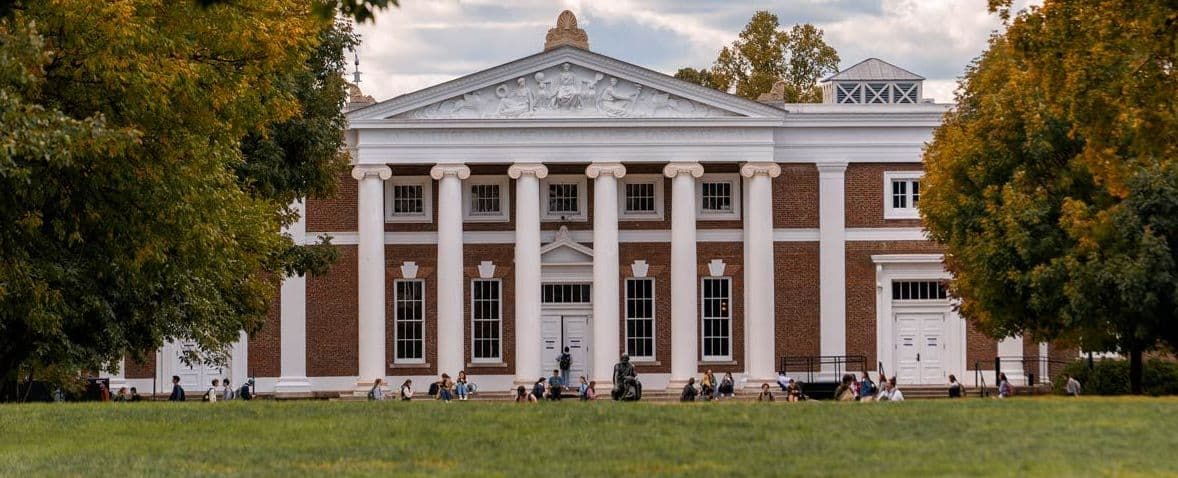

Architectural History
Virginia University’s Master of Architecture in Architectural History is a two-year, full-time, on-campus program that offers an in-depth exploration of the built environment through historical, cultural, and theoretical lenses. This program is designed for students who are passionate about understanding how architecture reflects and shapes human experience over time. Through interdisciplinary study, learners examine the social, political, and artistic forces that have influenced architectural traditions across civilizations and continents. The curriculum integrates analytical research, critical writing, and field study, preparing graduates to contribute meaningfully to both academic and professional dialogues around heritage and design.
Students engage with a broad timeline of architectural movements—from classical antiquity to contemporary urbanism—while also gaining methodological training in archival research, visual analysis, and preservation theory. Faculty with expertise in architectural history, theory, and conservation guide students through seminars, site visits, and independent research projects. By the end of the program, students graduate with the ability to interpret architecture as a cultural artifact and to assess its significance within historical contexts. This foundation equips them with intellectual rigor and practical skills applicable in museums, preservation agencies, design firms, and academic institutions.
Key Facts
Key Facts
- Program Title: Architectural History
- Degree Type: Master of Architecture
- Duration: 2 years
- Mode of Study: Full-time, On Campus
- Application Deadline: 10 January 2026
- Location: University of Virginia, United States
- Field of Study: Architecture
- Language of Instruction: English
Program Structure
Semester 1 – Foundations of Architectural Inquiry
- Introduction to Architectural History and Historiography
- Research Methods in Architectural Studies
- History of Architecture: Ancient to Medieval
- Theory and Criticism of the Built Environment
Semester 2 – Global Perspectives and Comparative Analysis
- History of Architecture: Renaissance to Modern
- Vernacular and Indigenous Architecture
- Urban Form and Cultural Identity
- Field Methods and Architectural Documentation
Semester 3 – Preservation, Interpretation, and Context
- Historic Preservation Theory and Practice
- Architecture and Society in the 20th Century
- Elective (e.g., Environmental History, Digital Heritage)
- Thesis Research Seminar
Semester 4 – Independent Scholarship and Final Project
- Master’s Thesis in Architectural History
- Seminar in Architectural Interpretation
- Advanced Topics in Architectural Conservation
- Public Presentation and Portfolio Review
Career Opportunities
Graduates of the Architectural History program are prepared for impactful careers in historic preservation, museums, cultural heritage organizations, architectural consulting, and academic research. They often work as preservation specialists, heritage consultants, museum curators, or research analysts, contributing to documentation, interpretation, and conservation of architectural heritage. Some are employed by government agencies, nonprofits, or international heritage bodies focused on safeguarding cultural resources. Others continue into PhD programs or pursue teaching positions in architectural history and theory. With their expertise in historical analysis and cultural interpretation, graduates are well-positioned to shape public understanding and institutional stewardship of the built environment—building careers grounded in history, scholarship, and impact.
Why Choose This Program
This program is ideal for students who seek a thoughtful, research-driven, and culturally rich academic journey into the history of architecture. Virginia University offers a distinctive setting for studying architectural heritage, with access to archives, historic sites, and interdisciplinary resources. The curriculum is intellectually challenging and professionally relevant, fostering both independent inquiry and collaborative engagement. With close faculty mentorship, hands-on learning experiences, and strong connections to preservation and academic networks, the program supports students in becoming leaders in historical interpretation and conservation. For those passionate about understanding architecture in its deepest context, this degree offers a comprehensive and meaningful path toward influence in the architectural and cultural fields.
Contact Information
For further information, please contact the admissions office at:
Phone: +1 434 924 0311
Email: gradadmissions@virginia.edu
Address: University of Virginia, Charlottesville, VA 22904, United States
