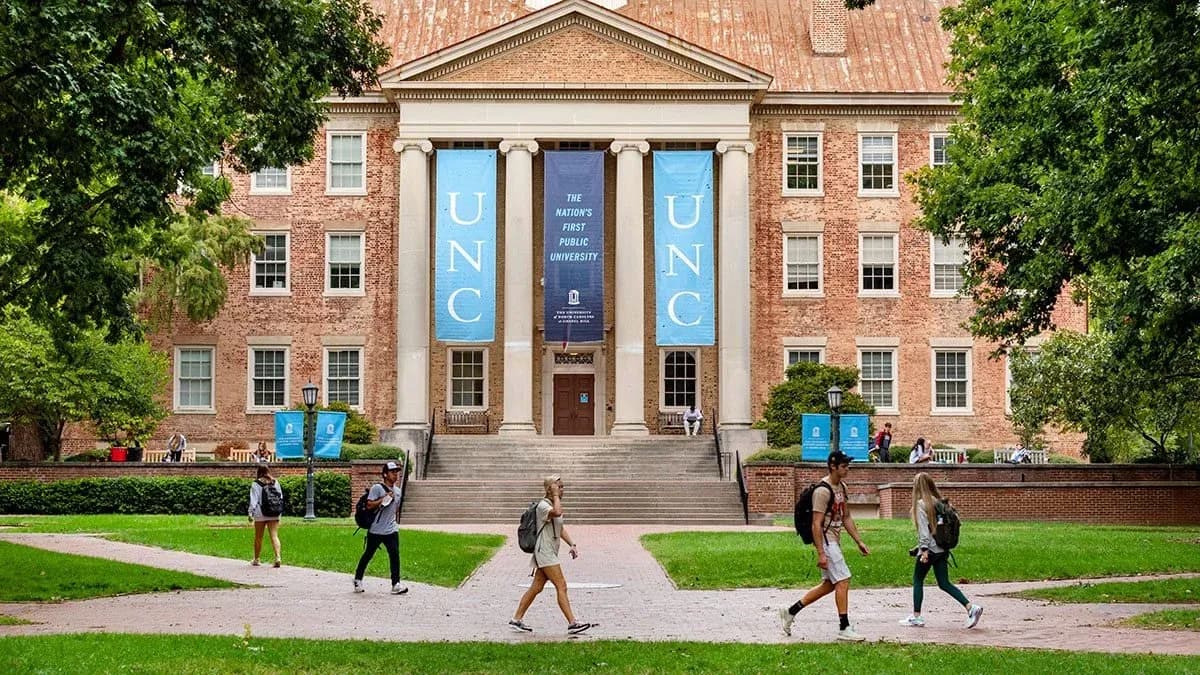

Architecture
The Architecture Master of Architecture program at the University of North Carolina provides students with a comprehensive and immersive academic experience that integrates architectural theory, design practice and critical spatial understanding. The curriculum encourages learners to explore the historical foundations of architecture while developing the technical and creative skills necessary for contemporary practice. Throughout this process, students refine design thinking, critical evaluation, technical development and a strong architectural perspective, positioning themselves to contribute thoughtfully to built environments and evolving urban contexts.
The program offers a balanced structure that emphasizes design studios, theoretical inquiry and research based exploration. Students work closely with faculty who provide guidance grounded in professional practice and scholarly expertise, helping them connect conceptual frameworks with hands on project development. Through model making, digital design, material studies and site based observations, learners strengthen their ability to develop architectural solutions that respond to cultural, environmental and structural considerations. This progression supports growth in analytical synthesis, creative interpretation, contextual awareness and design understanding, preparing students for advanced work across architectural fields.
Key Facts
Key Facts
- Program Title: Architecture
- Degree Type: Master of Architecture
- Duration: 3 years
- Mode of Study: Full-time, On Campus
- Application Deadline: 01 August 2026
- Location: University of North Carolina at Chapel Hill, United States
- Field of Study: Architecture
- Language of Instruction: English
Program Structure
Year 1 Foundational Architectural Studies
• Introduction to Architectural Design
• Architectural History and Theory
• Materials, Construction and Spatial Systems
• Digital Modeling and Graphic Representation
Year 2 Advanced Design and Technical Integration
• Architectural Design Studio Advanced Concepts
• Environmental Systems and Sustainable Strategies
• Structural Principles and Analysis
• Urban Contexts and Spatial Research
Year 3 Professional Practice and Final Design Development
• Comprehensive Architectural Design Studio
• Professional Practice and Project Management
• Advanced Technology and Building Performance
• Master s Design Thesis
Career Opportunities
Graduates of this program are prepared for a broad spectrum of roles in professional environments where architectural knowledge, technical insight and design capability are essential. Many pursue careers in architectural design, urban planning, sustainable development and construction management, contributing to projects that require thoughtful spatial solutions and detailed technical planning. Others find opportunities in research institutions, cultural organizations, government agencies and design firms focused on community development, historic preservation, environmental design or spatial innovation. The programs emphasis on conceptual depth, practical skills and critical thinking allows graduates to adapt to varied professional landscapes, working on multidisciplinary teams that address complex challenges related to the built environment. Equipped with advanced studio experience and research based competencies, students can move toward licensure pathways and leadership roles within architectural practice.
Why Choose This Program
This program is an excellent option for students who wish to immerse themselves in a structured yet creative environment where architectural exploration is supported through rigorous academic and studio based engagement. The curriculum encourages learners to investigate how design decisions shape cultural experiences, environmental outcomes and structural innovation, fostering a mindset that blends artistic expression with technical precision. Students benefit from faculty mentorship that guides them in building strong portfolios, developing research driven design solutions and understanding the broader social and environmental implications of architectural practice. The program also nurtures collaboration through studio culture, enabling students to refine their communication and teamwork abilities while working on multifaceted design challenges. By participating in discussions, critiques, hands on construction studies and advanced modeling, learners develop comprehensive design expertise, analytical depth, research oriented growth and professional creative development, all of which support a confident transition into architectural careers. With its focus on intellectual expansion, technical refinement and innovative design exploration, the program provides a robust foundation for students seeking to contribute meaningfully to the architectural profession and the evolving needs of contemporary built environments.
Contact Information
Phone: +1 (919) 966-3621
Email: unchelp@admissions.unc.edu
Address: Jackson Hall, 174 Country Club Road, Chapel Hill, NC 27514, USA
