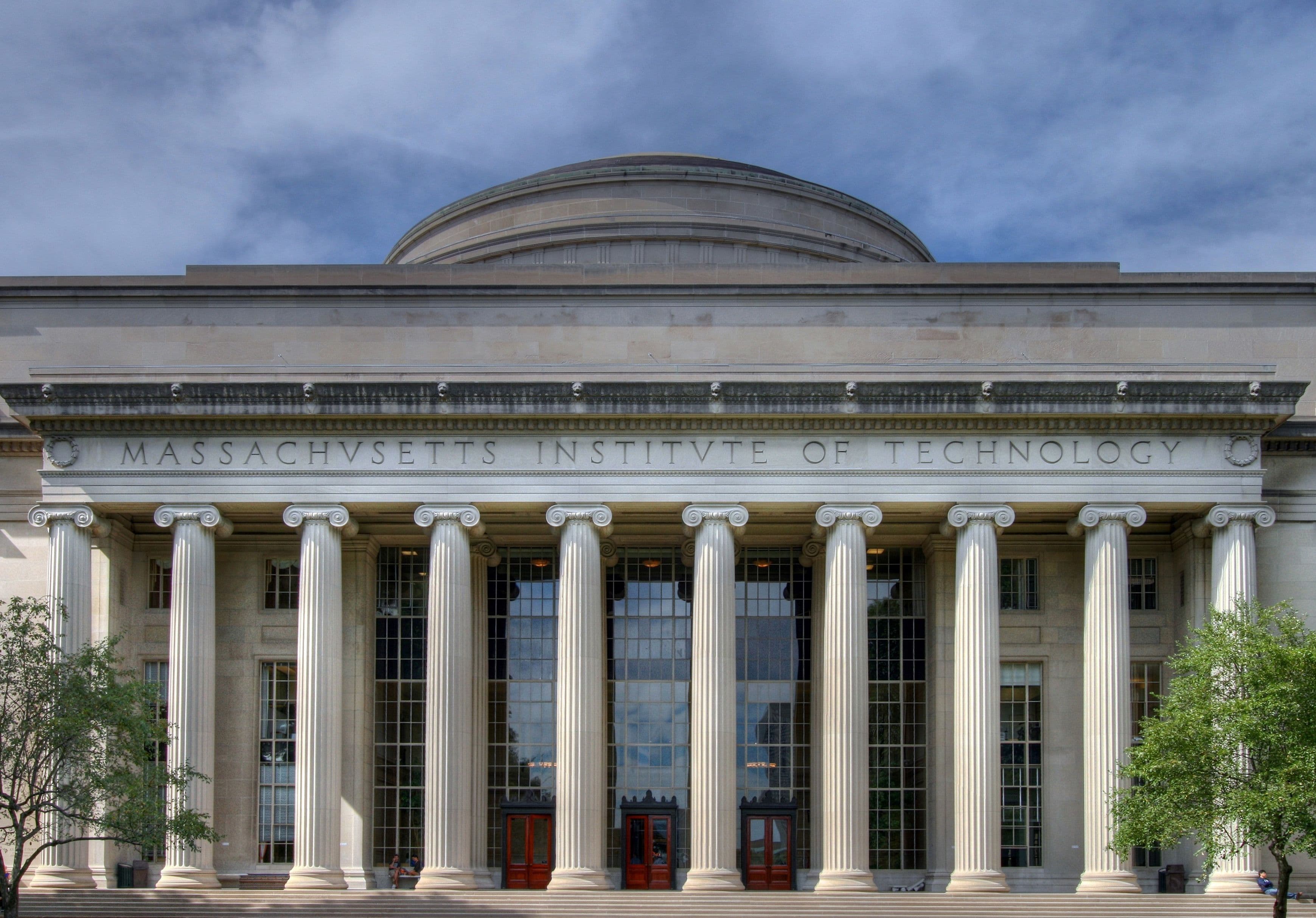

Architecture Studies - Islamic Architecture
The Master of Science in Architecture Studies - Islamic Architecture at Massachusetts Institute of Technology (MIT) offers a specialized program focusing on the rich history, design principles, and cultural significance of Islamic architecture. This two-year, full-time program provides students with a deep understanding of Islamic architectural traditions, from classical to contemporary, and prepares them to engage in projects that bridge cultural heritage with modern design practices. Through a combination of theory, history, and hands-on design, students gain the skills needed to address the unique challenges of designing in Islamic cultural contexts.
MIT’s interdisciplinary approach combines the study of architectural history with advanced design techniques, allowing students to explore the intersection of architectural form, function, and cultural expression. Students are encouraged to engage with diverse architectural styles from across the Islamic world, learning how these traditions can inform contemporary practices. Graduates are prepared to contribute to global discussions on architecture, culture, and heritage preservation.
Key Facts
Key Facts
- Program Title: Architecture Studies - Islamic Architecture
- Degree Type: Master of Science
- Duration: 2 years
- Mode of Study: Full-time, On Campus
- Application Deadline: 07 January 2026
- Location: Massachusetts Institute of Technology (MIT), United States
- Field of Study: Architecture
- Language of Instruction: English
Program Structure
Semester 1 – Introduction to Islamic Architecture and Design Principles
· History of Islamic Architecture: Classical to Contemporary
· Architectural Theory and Cultural Context
· Introduction to Islamic Art and Design
· Fundamentals of Architectural Design and Planning
Semester 2 – Advanced Islamic Architecture Studies
· Architectural Typologies in the Islamic World
· Sacred Architecture and Urbanism
· Environmental and Sustainable Design in Islamic Contexts
· Technology and Innovation in Islamic Architecture
Semester 3 – Specialization and Cultural Integration
· Advanced Research Methods in Islamic Architecture
· The Role of Architecture in Islamic Urbanism
· Preservation and Conservation of Islamic Monuments
· Elective Courses in Global Architecture Practices
Semester 4 – Thesis and Independent Research
· Independent Research on Islamic Architectural Topics
· Development of Master’s Thesis Proposal
· Thesis Writing and Architectural Critique
· Final Presentation and Thesis Defense
Career Opportunities
Graduates of the Architecture Studies - Islamic Architecture program at MIT are equipped with the expertise to take on roles as architects, urban planners, and cultural heritage consultants. They are well-prepared to work in architectural firms, government agencies, or cultural institutions where they can contribute to the design, preservation, and revitalization of Islamic architecture. Additionally, graduates may pursue careers in academia or research, advancing the study of Islamic architecture and its applications in modern contexts. MIT’s extensive network and global reach ensure that graduates have access to diverse career opportunities and a broad professional network.
Why Choose This Program
The Architecture Studies - Islamic Architecture program at MIT stands out for its comprehensive curriculum, which blends architectural history with modern design practices, preparing students to engage with Islamic architecture in both theory and practice. The program’s emphasis on preservation, sustainability, and cultural heritage ensures that students are not only trained in the technical aspects of architecture but also in the cultural significance of their designs. MIT’s renowned faculty and access to world-class resources provide students with the opportunity to engage with the latest research and technological advancements in the field. Graduates leave the program with a strong foundation in Islamic architecture, an ability to work in a global context, and the leadership skills to drive innovation in the field.
Contact Information
For further information, please contact the admissions office at:
Phone: +1 617-253-1000
Email: admissions@mit.edu
Address: University of MIT, 77 Massachusetts Avenue, Cambridge, MA 02139, USA
