Arts and Culture
theory. This program covers a wide range of topics, including visual arts, cultural heritage, museum studies, and the social impact of art. Students will engage with both the historical context of art movements and contemporary cultural practices, preparing them for careers in art curation, criticism, and cultural policy.
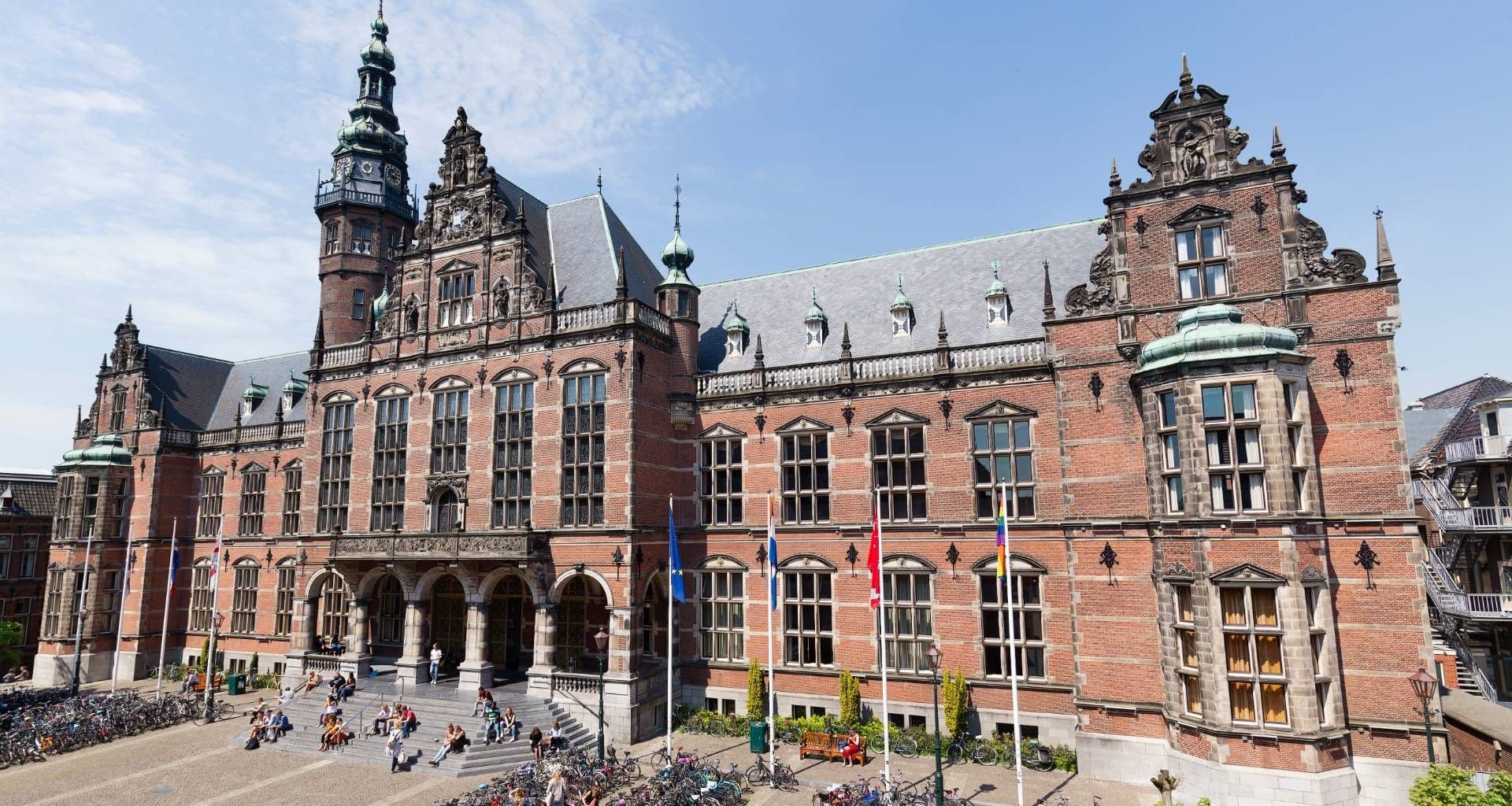
Graduates will be well-prepared for careers in museum curation, art education, and cultural management. The University of Groningen offers access to expert faculty, rich academic resources, and strong industry connections, ensuring students develop the skills necessary to contribute to the global arts and culture sector.
Key Facts
Key Facts
- Program Title: Arts and Culture
- Degree Type: Master of Arts
- Duration: 1 year
- Mode of Study: Full-time, On Campus
- Application Deadline: 15 August 2026
- Location: University of Groningen, Netherlands
- Field of Study: Art History
- Language of Instruction: English
Program Structure
Semester 1 – Foundations in Arts and Culture
- Introduction to Cultural Studies and Arts Theory
- The Role of Arts and Culture in Society
- Art History and Cultural Movements
- Research Methods in Arts and Culture
Semester 2 – Advanced Arts and Culture
- Contemporary Art and Global Cultural Trends
- Arts and Cultural Policy
- Cultural Entrepreneurship and Innovation
- Research Project in Arts and Culture
Career Opportunities
Graduates of the Arts and Culture Master’s program can work in cultural policy, museum curation, and art management. With expertise in cultural theory, arts administration, and cultural heritage, graduates are prepared for roles as cultural managers, policy advisors, or curators. This program offers opportunities in cultural institutions, art foundations, and governmental cultural agencies.
Why Choose This Program
The Arts and Culture Master’s program offers students an interdisciplinary approach to understanding the arts and their role in society. Students explore cultural theory, the management of arts institutions, and the intersection of culture and policy. The program prepares graduates to lead cultural organizations, develop arts policies, and contribute to the cultural sector. Graduates are equipped to influence the development of arts and culture within communities and organizations.
Contact Information
For further information, please contact the admissions office at:
Phone: +31 50 363 9111
Email: study@rug.nl
Address: University of Groningen, Broerstraat 5, 9712 CP Groningen, Netherlands
