.png&w=640&q=75)
Astronomy
The Astronomy Master of Arts program at Texas University is a two-year, full-time on-campus graduate degree that immerses students in the study of celestial phenomena, astrophysical principles, and the structure of the universe. The program blends theoretical coursework with research-intensive experiences, enabling students to explore topics such as galactic dynamics, stellar evolution, cosmology, and planetary science. With access to advanced observatory facilities and cutting-edge simulation tools, students develop a solid foundation in both analytical and computational methods essential to modern astronomy.
Through faculty-led research projects and specialized seminars, students are introduced to observational techniques, data processing, and scientific modeling. The program emphasizes scientific inquiry, critical thinking, and collaborative investigation. Whether tracking exoplanetary systems, analyzing black hole behavior, or studying the origin of galaxies, students are supported in conducting original research and communicating their findings effectively. The curriculum fosters a strong link between scientific rigor and curiosity-driven discovery, preparing graduates for diverse pathways in academia, space research, and education.
Key Facts
Key Facts
- Program Title: Astronomy
- Degree Type: Master of Arts
- Duration: 2 years
- Mode of Study: Full-time, On Campus
- Application Deadline: 01 December 2025
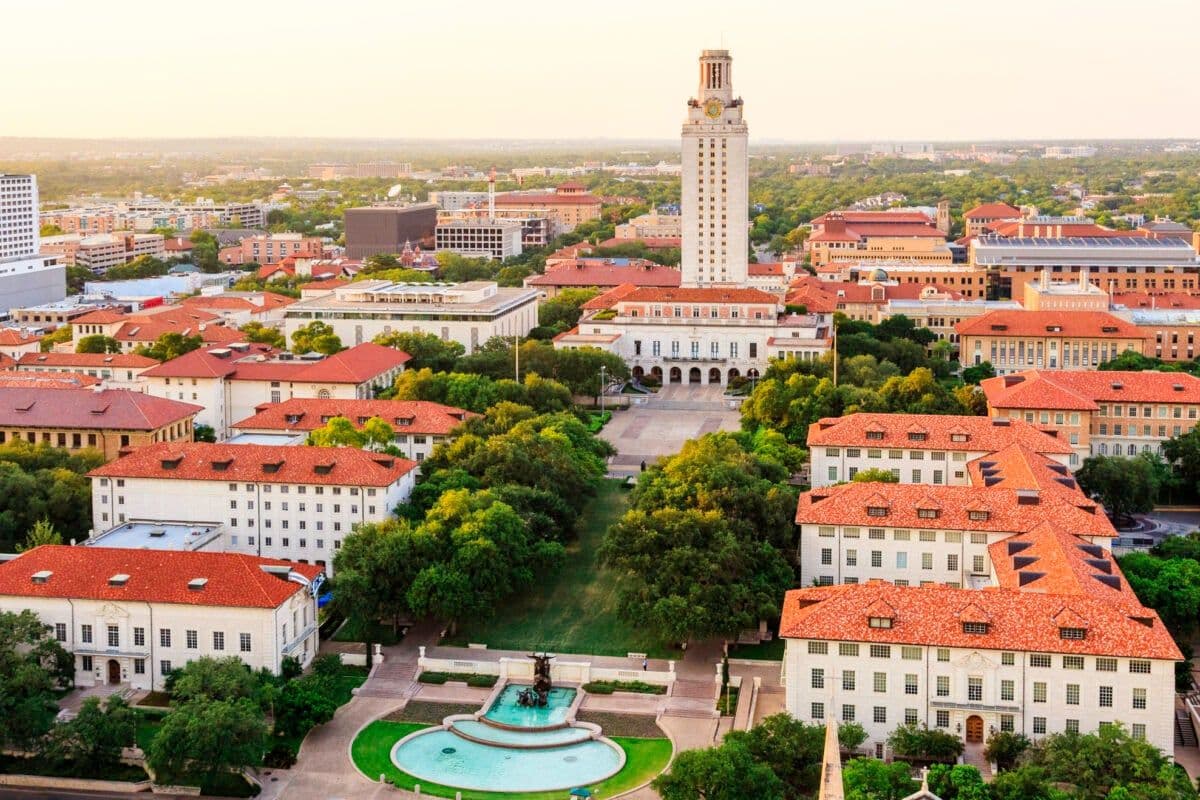
- Location: University of Texas at Austin, United States
- Field of Study: Astronomy & Space Sciences
- Language of Instruction: English
Program Structure
Semester 1 – Core Foundations in Astronomy
- Introduction to Astrophysics
- Stellar Structure and Evolution
- Observational Techniques and Telescope Use
- Research Methods in Astronomy
Semester 2 – Advanced Theory and Galactic Systems
- Galactic and Extragalactic Astronomy
- Radiative Processes in Astrophysics
- Statistical Data Analysis in Astronomy
- Seminar: Contemporary Issues in Space Science
Semester 3 – Specialization and Research Development
- Planetary Systems and Exoplanet Detection
- Computational Astrophysics
- Independent Research Project
- Proposal Writing and Scientific Communication
Semester 4 – Thesis and Scientific Application
- Master's Thesis in Astronomy
- Advanced Topics in Cosmology
- Research Presentation and Peer Review
- Career Preparation in Space Sciences
Career Opportunities
Graduates of this program pursue careers in research institutions, government space agencies, observatories, planetariums, and academic environments, where deep expertise in astronomy and advanced data analysis is highly valued. Common roles include astronomy researcher, science educator, data scientist, telescope operator, and planetarium curator. Many also continue into PhD programs to further specialize in astrophysics or space science. The program’s blend of theoretical and practical learning prepares students to analyze astronomical data, contribute to scientific discoveries, and engage the public in understanding the universe. Alumni play key roles in both advancing space knowledge and applying scientific insights in technical, educational, and policy-related contexts.
Why Choose This Program
This program provides an ideal combination of scientific depth, hands-on experience, and research flexibility for students passionate about space exploration and cosmological understanding. Texas University’s astronomy faculty bring a strong reputation in both observational and theoretical research, supported by state-of-the-art equipment and collaborative projects. The two-year format allows students to explore a wide range of celestial topics while developing strong analytical and research communication skills. Whether you aim to discover new worlds, decode the physics of the cosmos, or inspire others through science outreach, this program offers the intellectual tools and academic support to guide your journey into the universe.
Contact Information
For further information, please contact the admissions office at:
Phone: +1 (512) 471-3434
Email: gradadmissions@utexas.edu
Address: 110 Inner Campus Drive, Stop G1800, Austin, TX 78712, USA
