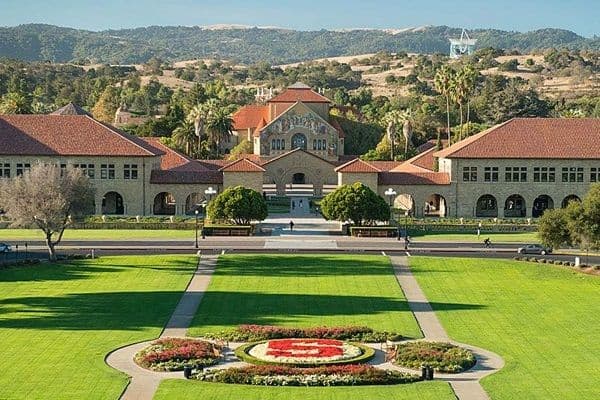

Atmosphere - Energy
The Atmosphere - Energy program at University of Stanford provides students with an in-depth understanding of energy systems, environmental impacts, and sustainable solutions. Students study thermodynamics, renewable energy technologies, environmental science, and energy policy, developing technical, analytical, and problem-solving skills. The curriculum emphasizes renewable energy, environmental analysis, energy systems, and sustainable solutions, equipping students to design, evaluate, and optimize energy technologies for diverse applications.
Over four years of full-time study, learners progress from foundational courses in physics, chemistry, and energy principles to advanced studies in energy conversion, climate impacts, and sustainable engineering solutions. Students engage in laboratory work, modeling projects, and applied research, gaining practical experience in energy system design and performance evaluation. As students advance, they strengthen their expertise in energy modeling, renewable technology, environmental assessment, and sustainability engineering, preparing them for careers in energy companies, environmental consulting, research institutions, or graduate studies in energy and environmental engineering. The program also cultivates skills in interdisciplinary collaboration, innovation, and project management.
Key Facts
Key Facts
- Program Title: Atmosphere - Energy
- Degree Type: Bachelor of Science
- Duration: 4 years
- Mode of Study: Full-time, On Campus
- Application Deadline: 05 January 2026
- Location: Stanford University, United States
- Field of Study: Energy Engineering
- Language of Instruction: English
Program Structure
Year 1 – Foundations of Energy and Environmental Science
· Introduction to Energy Systems
· Physics and Thermodynamics
· Academic Writing and Research Skills
· Environmental Science Fundamentals
Year 2 – Developing Analytical and Technical Skills
· Renewable Energy Technologies
· Energy Conversion and Storage
· Materials Science and Engineering
· Research Methods in Energy Systems
Year 3 – Advanced Study & Applied Projects
· Energy System Design and Optimization
· Climate and Environmental Impacts
· Applied Energy Engineering Projects
· Electives in Sustainable Engineering or Policy
Year 4 – Honors Thesis & Professional Integration
· Honors Thesis / Independent Research
· Advanced Seminar in Energy Engineering
· Applied Energy Projects and Fieldwork
· Academic Portfolio and Presentation Development
Career Opportunities
Graduates of this program are prepared for careers that require strong technical, analytical, and problem-solving skills. Many find opportunities in renewable energy companies, environmental consulting firms, energy research institutions, and sustainability and policy organizations, applying their expertise to develop, optimize, and implement energy systems. The program equips students with technical knowledge, analytical capabilities, and project management skills highly valued in energy and environmental industries. Additionally, graduates are well-prepared for graduate studies in energy engineering, environmental science, or sustainable technology, providing pathways to professional and academic leadership roles in energy, sustainability, and environmental solutions.
Why Choose This Program
This program is ideal for students who wish to study energy systems while developing strong analytical, technical, and problem-solving skills. Coursework integrates thermodynamics, renewable energy, environmental science, and energy policy, allowing learners to design and evaluate sustainable solutions. Students engage in laboratory work, modeling projects, and applied assignments, developing strong technical, research, and critical thinking skills. The curriculum emphasizes applied learning, interdisciplinary study, and sustainable engineering practices, preparing graduates for professional or academic pathways that demand expertise in energy and environmental systems. This preparation is further strengthened through comprehensive energy engineering training, equipping students with the knowledge and skills to succeed in renewable energy, sustainability, and environmental careers.
Contact Information
For further information, please contact the admissions office at:
Phone: +1 650 000 0000
Email: admissions@standord.edu
Address: University of Standord, 450 Serra Mall, Stanford, CA 94305, United States
