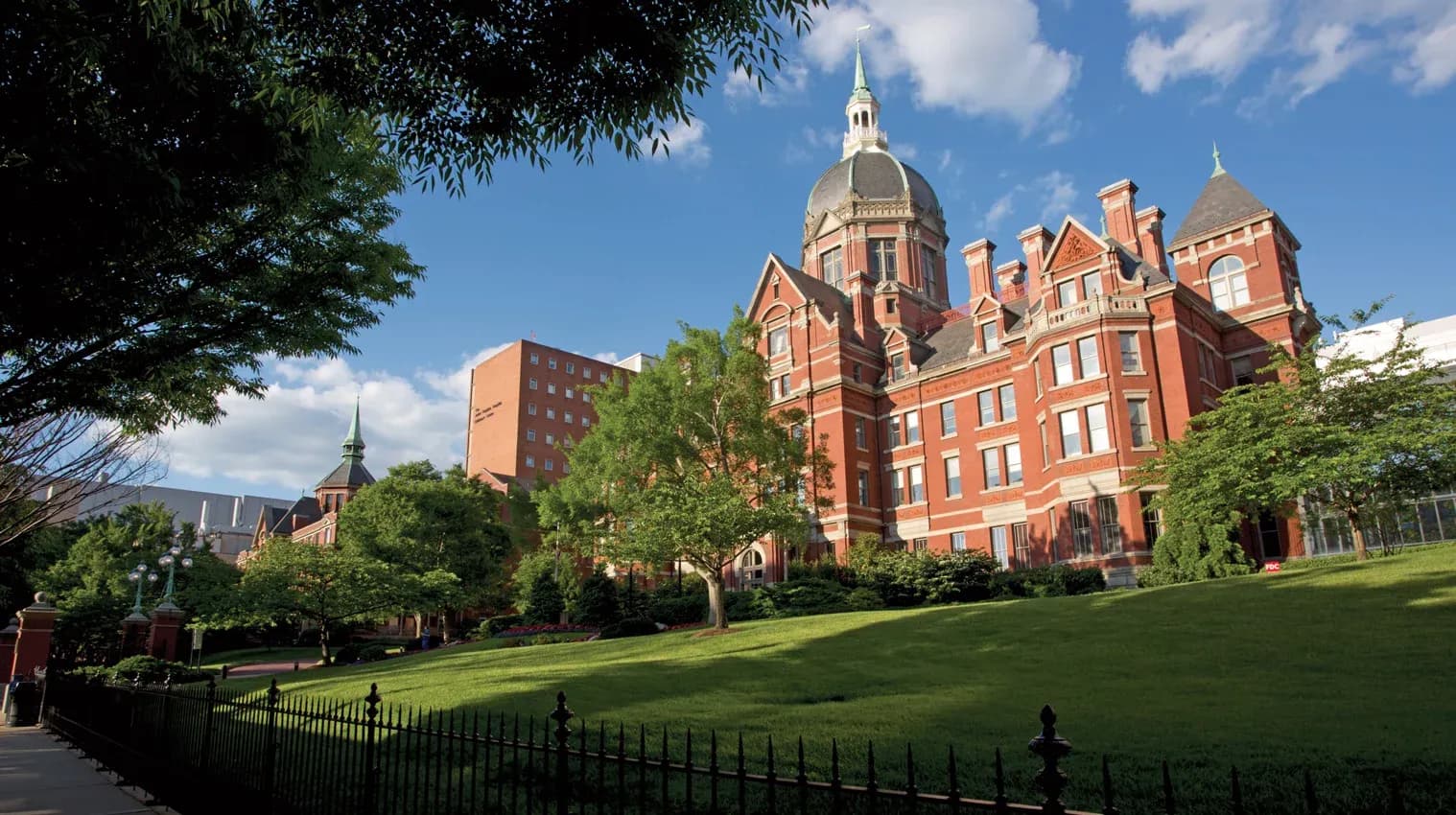

Bachelor of Music in Music for New Media
The Bachelor of Music in Music for New Media offers an innovative and interdisciplinary curriculum that prepares students to compose and produce music for film, television, video games, and interactive digital platforms. This program blends classical music training with cutting-edge digital production techniques, enabling learners to create emotionally engaging scores and adaptive soundtracks across a wide range of media formats. Through an integrated study of composition, sound design, and narrative storytelling, students acquire the creative and technical tools needed to thrive in today’s rapidly evolving media landscape, developing both their musical voice and digital fluency.
Students engage in a hands-on learning environment where collaboration with animators, filmmakers, and game designers is not only encouraged but embedded into the curriculum. The program fosters artistic experimentation and technical mastery through studio courses, workshops, and project-based learning. In addition to their coursework, students benefit from mentorship by experienced professionals who bring industry insights into the classroom. With access to advanced sound production facilities and a community of interdisciplinary creatives, learners graduate with a well-rounded understanding of media scoring, digital composition, and the collaborative processes behind storytelling in contemporary entertainment.
Key Facts
Key Facts
- Program Title: Bachelor of Music in Music for New Media
- Degree Type: Bachelor of Arts
- Duration: 4 years
- Mode of Study: Full-time, On Campus
- Application Deadline: 01 December 2026
- Location: Johns Hopkins University, United States
- Field of Study: Music
- Language of Instruction: English
Program Structure
Year 1 – Foundations in Music and Digital Tools
- Music Theory and Ear Training I
- Keyboard Skills and Aural Analysis
- Introduction to Digital Audio Workstations (DAWs)
- Fundamentals of Composition for Visual Media
Year 2 – Narrative Structure and Technical Proficiency
- Harmony and Orchestration for Media
- Sound Design and Sampling
- Writing Music for Animation and Interactive Media
- Elective in Film, Game Design, or Screenwriting
Year 3 – Advanced Composition & Collaborative Projects
- Scoring for Film and Television
- Game Audio and Interactive Soundscapes
- Collaborative Workshop with Visual Media Departments
- Electives in Adaptive Music, Audio Programming, or Post-Production
Year 4 – Capstone, Portfolio, and Industry Preparation
- Final Scoring Project or Interactive Media Composition
- Music for New Media Portfolio Development
- Professional Practices in the Creative Industry
- Career Strategy and Internship Support
Career Opportunities
Graduates of this program are equipped to pursue dynamic careers in media composition, where musical creativity and technical skill converge to shape immersive storytelling experiences. Many enter the industry as media composers, sound designers, music editors, and audio directors, working on projects ranging from indie films and streaming series to AAA games and interactive museum installations. Others contribute to advertising campaigns, mobile apps, or educational content, offering audio solutions that enhance user engagement and emotional resonance. Because of their deep understanding of narrative pacing, adaptive audio systems, and collaborative workflows, graduates are also well suited for roles in post-production, interactive storytelling, and cross-platform content development. Their ability to compose original scores, produce high-quality sound assets, and respond flexibly to changing creative demands makes them valuable contributors in both independent and studio settings, while also laying the foundation for freelance or entrepreneurial work in the global entertainment industry.
Why Choose This Program
This program is the ideal choice for students who want to merge classical musicianship with modern digital media production in an academic setting that values both artistic expression and technological innovation. At Johns Hopkins University, learners benefit from an environment that encourages experimentation, collaboration, and professional readiness through a curriculum tailored to the evolving needs of the entertainment and digital arts industries. Students gain practical experience through real-world projects, interdisciplinary partnerships, and production pipelines that simulate industry conditions. With guidance from expert faculty and access to advanced audio technology, learners build a strong portfolio that reflects both creative originality and technical sophistication. The program’s commitment to narrative craft, media fluency, and entrepreneurial thinking ensures that graduates are prepared not only to enter the workforce with confidence, but also to shape the future of storytelling through sound in a media-driven world.
Contact Information
For further information, please contact the admissions office at:
Phone: +1 410 516 8000
Email: admissions@jhu.edu
Address: Johns Hopkins University, 3400 N. Charles Street, Baltimore, MD 21218, USA
