
Bachelor of Music in Performance - Organ
The Bachelor of Music in Performance – Organ program offers students a comprehensive education in solo and ensemble performance, liturgical traditions, and historical interpretation. Through intensive studio instruction, students develop refined technique and expressive control on both historic and modern instruments. The curriculum integrates rigorous keyboard training with in-depth study of organ repertoire, music theory, and performance practice, enabling students to engage fully with musical tradition while also cultivating their individual artistry. Emphasis is placed on versatility, allowing learners to excel in a wide variety of stylistic and professional contexts.
In addition to performance training, students study hymn improvisation, basso continuo, sacred music history, and ensemble collaboration, building a broad foundation in both secular and ecclesiastical settings. They gain practical experience through recitals, chapel service performances, and collaborations with vocalists and instrumentalists. The program also provides access to world-class faculty and historically significant instruments that enhance students’ interpretive range and tonal awareness. This combination of technical mastery, stylistic knowledge, and contextual understanding prepares graduates to become thoughtful performers who can engage diverse audiences and contribute meaningfully to the evolving role of the organ in contemporary musical life.
Key Facts
Key Facts
- Program Title: Bachelor of Music in Performance - Organ
- Degree Type: Bachelor of Arts
- Duration: 4 years
- Mode of Study: Full-time, On Campus
- Application Deadline: 01 December 2026
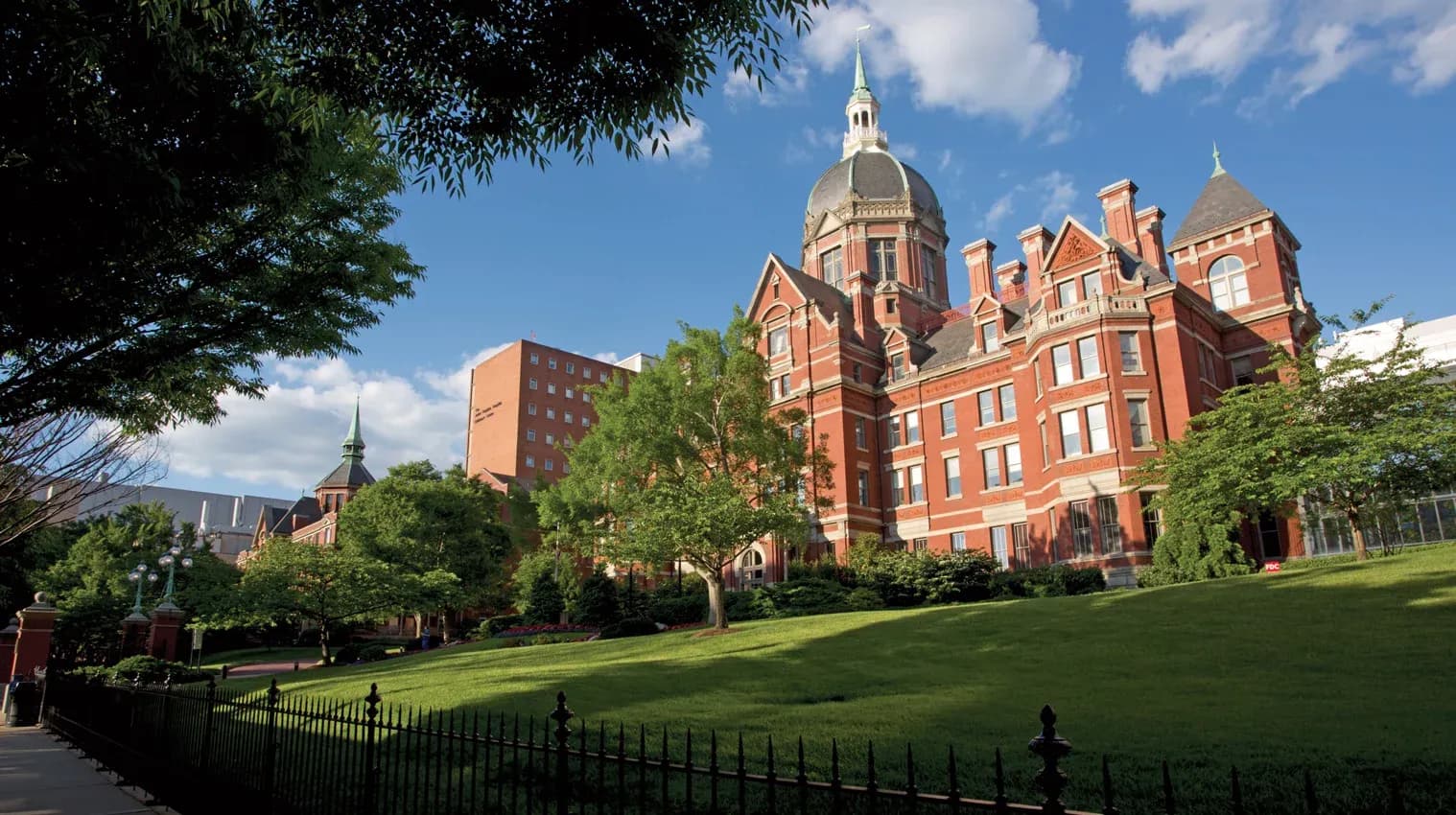
- Location: Johns Hopkins University, United States
- Field of Study: Music
- Language of Instruction: English
Program Structure
Year 1 – Foundations in Technique and Repertoire
- Applied Organ Lessons I
- Music Theory and Aural Skills
- Keyboard Harmony and Score Reading
- Introduction to Organ Literature
Year 2 – Repertoire Expansion and Liturgical Practice
- Applied Organ Lessons II
- Survey of Sacred and Liturgical Music
- Hymn Playing and Improvisation Techniques
- Organ Building and Registration
Year 3 – Advanced Performance and Historical Study
- Applied Organ Lessons III
- Seminar in Baroque and Romantic Organ Literature
- Ensemble Performance and Accompaniment
- Electives in Music History, Composition, or Conducting
Year 4 – Capstone and Professional Preparation
- Applied Organ Lessons IV
- Senior Recital (Solo or Collaborative Focus)
- Career Strategies for Performers
- Portfolio Development and Graduate Advising
Career Opportunities
Graduates of the organ performance program are well prepared for careers in professional performance, church music, music education, and ensemble collaboration, where their command of keyboard technique, repertoire, and liturgical traditions is highly valued. Many become music directors, recitalists, or accompanists in religious institutions, while others perform as soloists or chamber musicians across academic, civic, and artistic platforms. The program also supports careers in music librarianship, organ restoration, and historical instrument preservation. With strong skills in improvisation, score interpretation, and sacred music leadership, students are equipped to serve diverse communities and adapt to both traditional and contemporary musical environments. Graduates often pursue advanced study in organ performance, sacred music, or choral conducting, enhancing their artistic depth and professional reach. Their ability to unite tradition with innovation enables them to lead with artistry in settings where musical excellence and cultural awareness intersect.
Why Choose This Program
This program is ideal for students who want to pursue high-level performance training within a curriculum that values tradition, innovation, and scholarly engagement. At Johns Hopkins University, students benefit from personalized mentorship, access to historically significant instruments, and an academic environment that fosters growth through rigorous study and performance. The curriculum emphasizes practical experience in solo and collaborative settings, helping students refine their artistry while preparing for a range of professional roles. With opportunities for recitals, interdisciplinary projects, and mentorship from renowned faculty, learners build the skills, confidence, and musical insight needed to thrive in both sacred and secular contexts. Whether pursuing a life in concert performance, church music, or continued academic research, graduates emerge with the artistic maturity and technical command to make lasting contributions to the world of keyboard music.
Contact Information
For further information, please contact the admissions office at:
Phone: +1 410 516 8000
Email: admissions@jhu.edu
Address: Johns Hopkins University, 3400 N. Charles Street, Baltimore, MD 21218, USA
