Biochemistry and Molecular Biology
The Master of Science in Biochemistry and Molecular Biology is a rigorous two-year, full-time graduate program that prepares students for advanced careers in biomedical sciences, pharmaceutical research, and biotechnology. Rooted in the molecular foundations of life, the program emphasizes understanding the structure, function, and regulation of biological macromolecules. Students gain a deep comprehension of cellular pathways, gene expression, protein dynamics, and biochemical reactions that drive complex biological systems. The curriculum blends theoretical learning with practical experience, offering lab-intensive courses that train students in techniques such as molecular cloning, protein purification, and genetic manipulation.
This program is ideal for students aiming to contribute to innovations in healthcare, genetic research, and molecular diagnostics. Through advanced coursework and independent research, students develop the ability to critically analyze scientific data and solve real-world biological problems. Supervised thesis work allows them to explore topics such as metabolic diseases, cancer biology, or molecular mechanisms of drug resistance. The academic environment fosters collaboration, curiosity, and analytical thinking, equipping graduates to pursue PhD programs, enter industry roles, or join clinical research teams. With access to state-of-the-art laboratories and mentorship from leading faculty, students are immersed in cutting-edge molecular science.
Key Facts
Key Facts
- Program Title: Biochemistry and Molecular Biology
- Degree Type: Master of Science
- Duration: 2 years
- Mode of Study: Full-time, On Campus
- Application Deadline: 20 November 2025
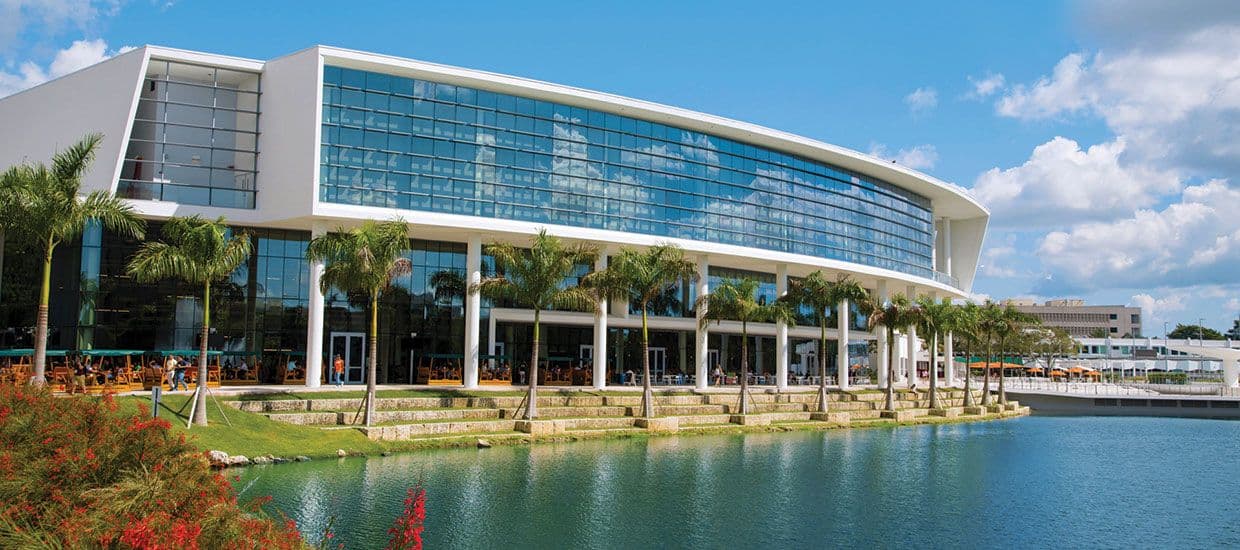
- Location: University of Miami, United States
- Field of Study: Biology
- Language of Instruction: English
Program Structure
Semester 1 – Core Molecular Principles
• Biochemistry I: Macromolecules and Metabolism
• Molecular Biology I: Gene Structure and Function
• Research Methods in Life Sciences
• Laboratory Techniques in Biochemistry
Semester 2 – Advanced Applications
• Biochemistry II: Enzymology and Metabolic Pathways
• Molecular Biology II: Regulation and Expression
• Bioinformatics and Genomic Analysis
• Scientific Communication and Ethics
Semester 3 – Specialization and Research
• Cell Signaling and Disease Mechanisms
• Elective (e.g., Cancer Biology, Structural Biology)
• Advanced Laboratory Research
• Research Proposal Seminar
Semester 4 – Thesis and Defense
• Master’s Thesis Research
• Thesis Writing and Presentation
• Current Topics in Molecular Science
• Final Thesis Defense
Career Opportunities
Graduates of this program are equipped to pursue a wide range of professional paths in pharmaceutical companies, academic research institutions, biotechnology firms, and healthcare laboratories. Many work as molecular biologists, research scientists, quality control analysts, or laboratory managers, applying their expertise to fields like drug development, clinical diagnostics, genetic engineering, and personalized medicine. Others use this degree as a springboard toward doctoral study or professional programs in medicine or pharmacy. The combination of hands-on research experience, scientific writing, and analytical training ensures that graduates are not only technically competent but also able to contribute meaningfully to scientific discovery and innovation.
Why Choose This Program
This program provides a unique combination of theoretical depth and practical laboratory training, making it a strong choice for students passionate about molecular science and its real-world applications. With a curriculum that evolves alongside advances in biomedical research, students gain exposure to current technologies and emerging trends. The small cohort structure promotes individualized mentorship, collaborative learning, and close faculty interaction. Whether your ambition is to discover new therapies, advance genomic technologies, or pursue academic research, this program offers the scientific foundation, technical skills, and intellectual environment to help you succeed in today’s rapidly advancing biosciences landscape.
Contact Information
For further information, please contact the admissions office at:
Phone: +1 305 284 2000
Email: admissions@miami.edu
Address: University of Miami, 1320 S Dixie Hwy, Coral Gables, FL 33146, United States
