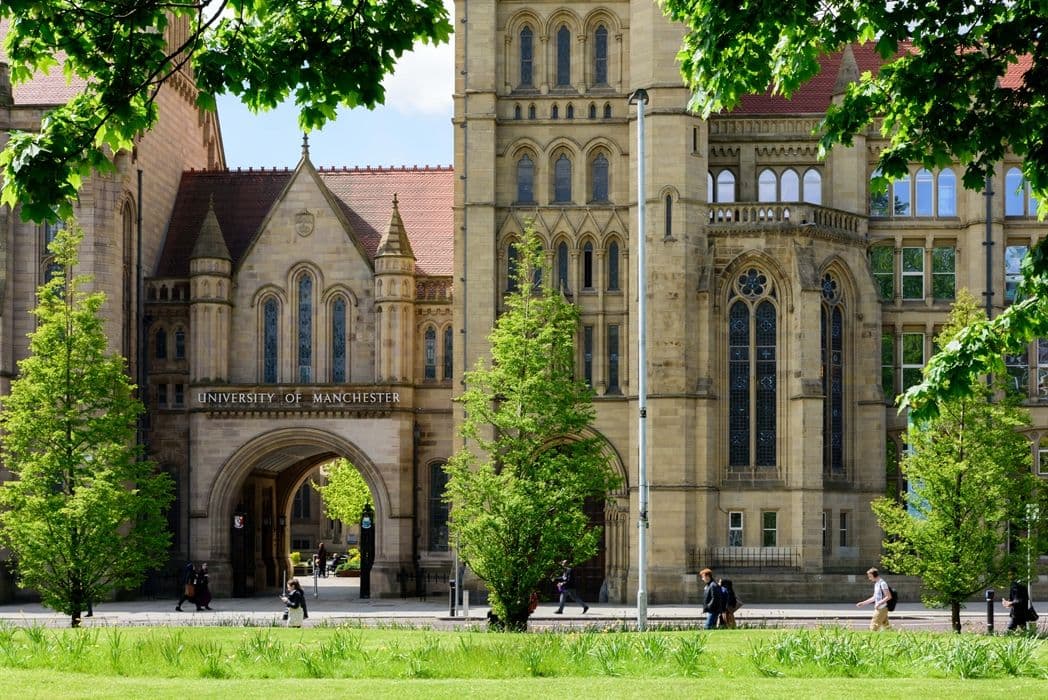

Biochemistry
The Bachelor of Science in Biochemistry at the University of Manchester is a three-year full-time program that provides students with a solid understanding of the chemical processes within and related to living organisms. The program focuses on the molecular mechanisms underlying cellular processes and the biochemical basis of diseases, offering students the opportunity to engage in cutting-edge research.
Students will study core topics such as enzymology, molecular genetics, and metabolism, while also gaining hands-on laboratory experience. The program is designed to equip students with both theoretical knowledge and practical skills, preparing them for careers in biomedical research, pharmaceuticals, and biotechnology. Graduates will be equipped to tackle important health challenges and contribute to advancements in science and medicine.
Key Facts
Key Facts
- Program Title: Bachelor of Science (BSc) in Biochemistry
- Degree Type: Bachelor of Science (BSc)
- Duration: 3 years
- Mode of Study: Full-time, On Campus
- Application Deadline: 14th January 2026
- Location: University of Manchester, United Kingdom
- Field of Study: Biochemistry
- Language of Instruction: English
Program Structure
Year 1 – Introduction to Biochemistry and Molecular Biology
- Fundamentals of Biochemistry: Structure, Function, and Metabolism
- Cell Biology: From Structure to Function
- Molecular Genetics: Genes and Genetic Expression
- Biophysical Chemistry: Techniques in Biochemical Analysis
- Enzyme Mechanisms and Metabolic Pathways
- Laboratory Skills in Biochemistry and Molecular Biology
- Academic Writing and Research Skills
Year 2 – Intermediate Biochemistry and Applied Molecular Biology
- Advanced Biochemistry: Protein Structure, Function, and Dynamics
- Molecular Biology Techniques: PCR, Cloning, and Sequencing
- Metabolic Regulation: Integrating Pathways and Signaling
- Biochemistry of Disease: Implications for Medicine and Therapy
- Structural Biology: Protein Folding and Enzyme Function
- Elective Modules in Bioinformatics, Pharmacology, or Biotechnology
- Practical Laboratory Work: Advanced Experimental Techniques
Year 3 – Advanced Biochemistry and Research Projects
- Advanced Molecular Genetics and Genomics
- Biochemical Pharmacology: Drug Development and Mechanisms of Action
- Cellular Signaling and Signal Transduction Pathways
- Research Project: Independent Biochemistry Research
- Biotechnology and Industrial Applications of Biochemistry
- Biochemistry in Health and Disease: From Bench to Bedside
- Professional Development and Career Planning in Biochemistry
Career Opportunities
Graduates of the Biochemistry program have a broad range of career opportunities in fields such as biomedical research, pharmaceuticals, biotechnology, healthcare, and environmental sciences. Potential career paths include roles in academic or industrial research, laboratory management, clinical biochemistry, pharmaceutical and biotech companies, and healthcare sectors. Graduates may also work in roles related to molecular diagnostics, bioinformatics, or drug discovery. Additionally, biochemistry graduates are well-equipped for further study in postgraduate research or medical programs. The program's focus on both theoretical knowledge and practical laboratory experience makes graduates highly competitive in the job market.
Why Choose This Program
The Biochemistry program at University of Manchester provides students with a comprehensive understanding of the biochemical processes that underpin life. With a strong emphasis on laboratory-based learning, this program equips students with the practical skills needed for success in research and industry. Students benefit from world-class teaching and facilities, as well as opportunities for industry placements and research projects that connect theory to real-world applications. The program's multidisciplinary approach, combining biochemistry with molecular biology, pharmacology, and biotechnology, ensures that graduates are well-prepared for a wide range of scientific careers. Whether pursuing a career in research, medicine, or industry, this program offers the foundation and skills needed for success in the rapidly advancing field of biochemistry.
Contact Information
For further information, please contact the admissions office at:
Phone: +44 (0)161 275 5252
Email: admissions@manchester.ac.uk
Address: University of Manchester, Oxford Road, Manchester M13 9PL, United Kingdom
