.png&w=640&q=75)
Biochemistry
The Bachelor of Science in Biochemistry at Texas University offers an in depth program designed for students interested in understanding the chemical processes that govern living organisms. Over the four year curriculum, students explore molecular biology, genetics, enzymology, metabolism, and laboratory techniques while developing strong analytical and research skills. The program emphasizes critical thinking, scientific reasoning, and experimental design, enabling students to investigate biological systems, interpret complex data, and solve scientific problems. Students gain hands on experience through laboratory courses, research projects, and collaborative assignments, integrating theoretical knowledge with practical applications in modern biochemistry.
As students advance, they study specialized topics such as molecular genetics, structural biology, bioinformatics, and biochemical research methods, complemented by internships and independent research projects. The curriculum fosters problem solving, data analysis, and professional skills, preparing students to pursue careers in biotechnology, pharmaceuticals, research, or advanced graduate studies. By the final year, learners are equipped to conduct original research, analyze experimental results, and communicate scientific findings effectively, providing a strong foundation for professional or academic success in biochemistry and related fields.
Key Facts
Key Facts
- Program Title: Biochemistry
- Degree Type: Bachelor of Science
- Duration: 4 years
- Mode of Study: Full-time, On Campus
- Application Deadline: 01 December 2025
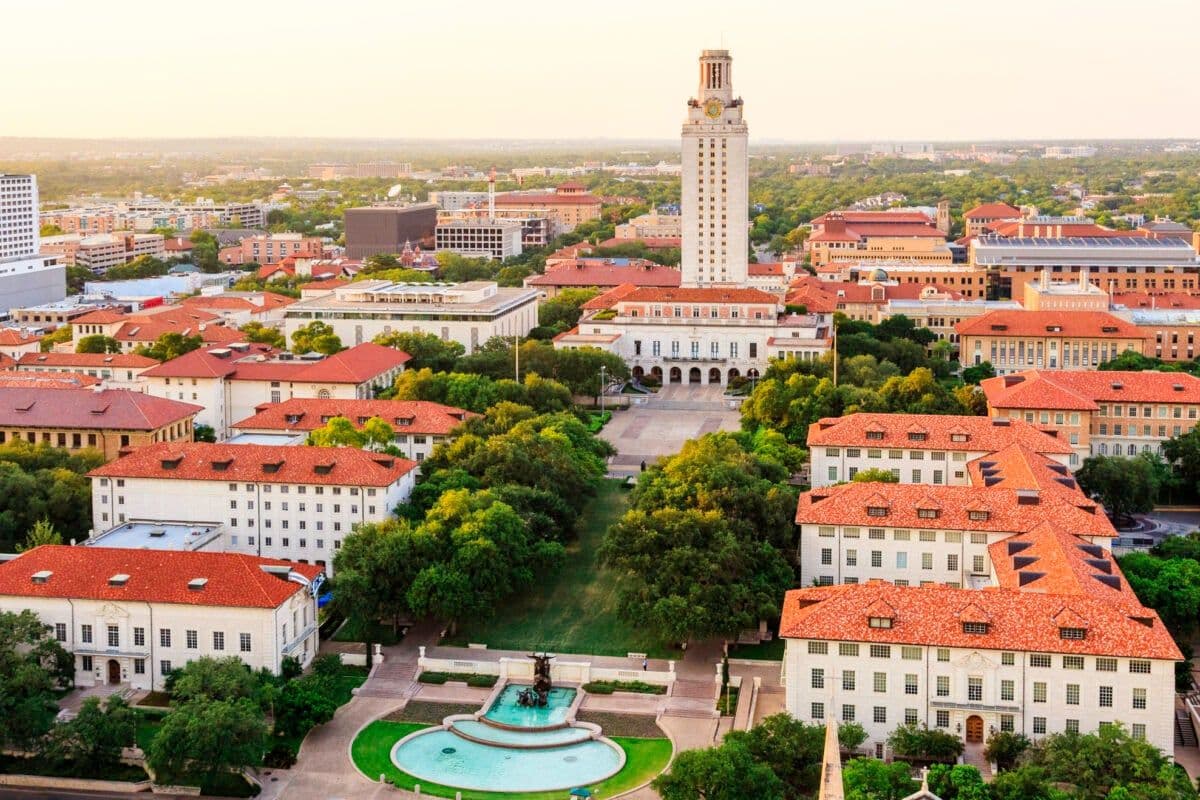
- Location: University of Texas at Austin, United States
- Field of Study: Biochemistry
- Language of Instruction: English
Program Structure
Year 1 Foundations of Biochemistry
• General Chemistry I & II
• Introduction to Biochemistry
• Cell Biology and Genetics
• Laboratory Techniques and Safety
Year 2 Core Biochemical Studies
• Organic Chemistry I & II
• Molecular Biology and Genetics
• Analytical Techniques in Biochemistry
• Biostatistics and Data Analysis
Year 3 Advanced Biochemistry
• Enzymology and Metabolism
• Structural Biology and Protein Chemistry
• Bioinformatics and Computational Biology
• Internship / Research Project
Year 4 Capstone Project and Specialization
• Independent Research or Thesis
• Advanced Biochemical Techniques
• Seminar in Biochemistry
• Professional Skills and Portfolio Development
Career Opportunities
Graduates of this program are prepared for careers in research, healthcare, biotechnology, pharmaceuticals, and education. Opportunities include laboratory research, biotechnology development, clinical analysis, pharmaceutical industry roles, bioinformatics, and positions in government or private research institutions. Graduates may also pursue careers in academic research, science communication, or advanced graduate studies in biochemistry, molecular biology, medicine, or related fields. The program equips students with the ability to design and conduct experiments, interpret complex biological data, and apply scientific knowledge to solve real world problems.
Why Choose This Program
This program is ideal for students seeking to develop research expertise, critical thinking, laboratory proficiency, and scientific communication skills through a curriculum that combines theoretical study, practical labs, and independent research. Its four year structure allows learners to progress from foundational concepts to advanced biochemical studies and specialized research projects. Students benefit from laboratory experiences, research opportunities, faculty mentorship, and collaborative projects, cultivating analytical skills, creativity, and professional readiness. Graduates leave the program with the ability to conduct rigorous research, analyze biological systems, and pursue careers or advanced studies in biochemistry, biotechnology, and related scientific disciplines.
Contact Information
For further information, please contact the admissions office at:
Phone: +1 (512) 471-3434
Email: gradadmissions@utexas.edu
Address: 110 Inner Campus Drive, Stop G1800, Austin, TX 78712, USA
