Master of Arts · Full-time · On Campus

University of Gothenburg
Sweden
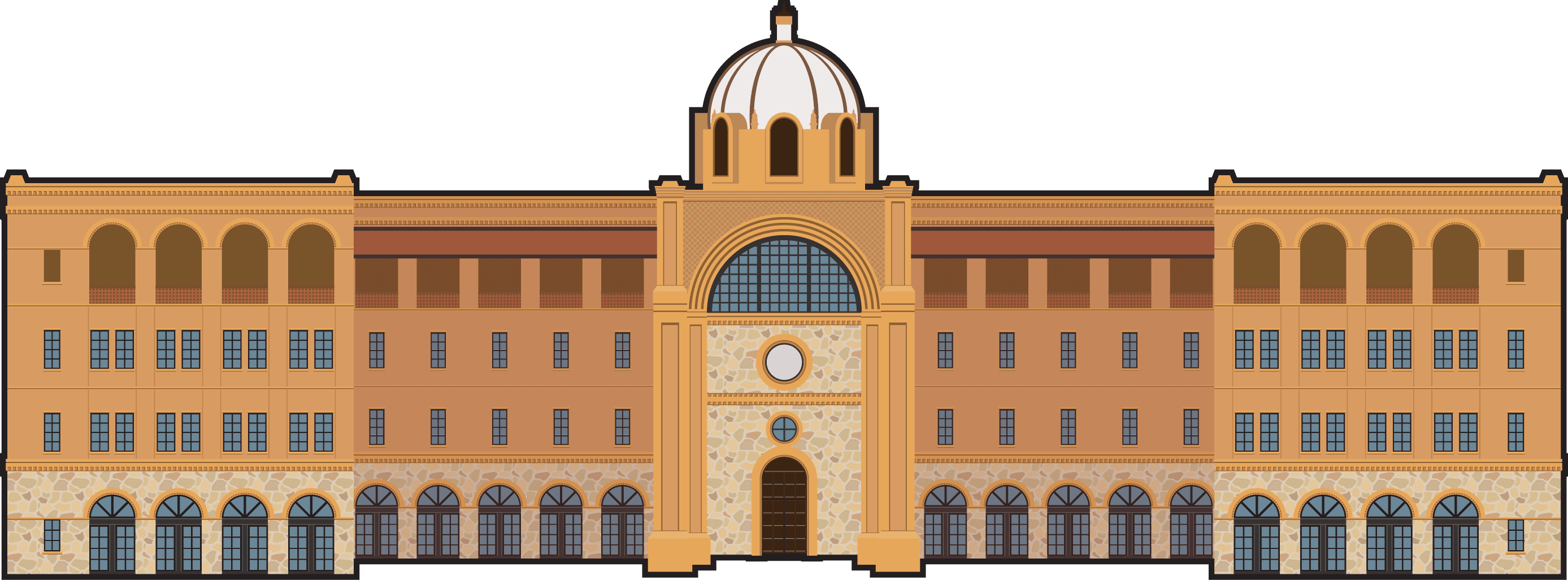
The Master of Science in Biodiversity and Systematics at University of Gothenburg is a two-year, full-time program focused on the study of biodiversity, species classification, and the relationships between organisms. The program combines theoretical knowledge with fieldwork and laboratory research to explore the diversity of life on Earth and the scientific methods used to understand species, ecosystems, and evolutionary processes. Students will study areas such as taxonomy, ecology, conservation biology, and molecular systematics, equipping them with the skills to analyze and protect biodiversity in a changing world.
Graduates of this program will be well-prepared for careers in biodiversity conservation, species research, and ecological management, with opportunities in research institutions, environmental NGOs, conservation organizations, and governmental agencies. The University of Gothenburg offers access to leading experts in the field, advanced research facilities, and opportunities for field-based learning, ensuring students are ready to tackle the challenges of preserving biodiversity and advancing ecological science.
Semester 1 – Foundations of Biodiversity and Systematics
• Introduction to Biodiversity and Conservation Biology
• Evolutionary Biology and Taxonomy
• Ecological Principles and Ecosystem Function
• Research Methods in Biodiversity and Systematics
Semester 2 – Advanced Biodiversity and Systematics
• Conservation Genetics and Molecular Ecology
• Phylogenetics and Evolutionary Processes
• Biodiversity Monitoring and Management
• Elective Modules in Biodiversity and Systematics
Semester 3 – Specialized Biodiversity and Systematics
• Applied Conservation Biology and Field Studies
• Endangered Species and Habitat Conservation
• Ecosystem Restoration and Management Strategies
• Fieldwork/Research Project in Biodiversity
Semester 4 – Master’s Thesis & Final Project
• Independent Research / Thesis
• Advanced Topics in Biodiversity and Systematics
• Final Presentation & Research Evaluation
Graduates of the Biodiversity and Systematics program are prepared for careers in conservation biology, ecology, wildlife management, and biodiversity research. Many professionals work for environmental organizations, government agencies, or academic institutions as conservation biologists, ecologists, or environmental consultants. The growing global focus on biodiversity conservation and the preservation of endangered species ensures that graduates are in demand for roles focused on ecological research, habitat restoration, and environmental policy.
The Biodiversity and Systematics program offers an in-depth study of the diversity of life on Earth, including the classification, evolution, and ecological roles of species. Students gain practical experience in field research, species identification, and ecological surveys. The program’s focus on conservation ensures that graduates are well-prepared to address the challenges of biodiversity loss and habitat destruction. With access to research projects and fieldwork opportunities, students will gain the skills needed to work in conservation science, environmental policy, and ecological research.
For further information, please contact the admissions office at:
Phone: +46 31 786 0000
Email: info@gu.se
Address: University of Gothenburg, Vasagatan 1, 405 30 Gothenburg, Sweden
Master of Arts · Full-time · On Campus
University of Gothenburg
Sweden
Master of Arts · Full-time · On Campus
University of Gothenburg
Sweden
Master of Science · Full-time · On Campus
University of Gothenburg
Sweden
Master of Science · Full-time · On Campus
University of Gothenburg
Sweden
