Bachelor of Science · Full-time · On Campus

Ege University
Turkey
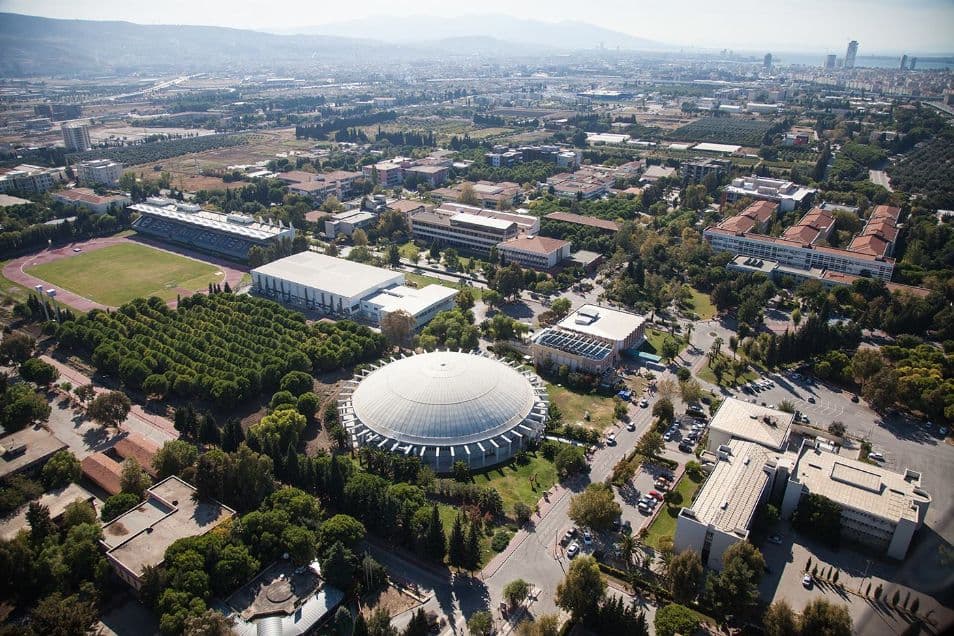
The Bachelor of Science in Bioengineering (English) at Ege University provides a modern, interdisciplinary engineering education that merges life sciences with engineering fundamentals — covering molecular biology, biotechnology, biomaterials, bioprocesses, and biomedical systems. The program is designed to develop engineers who can work at the interface of biology, medicine, and engineering: analyzing biological systems, designing bioprocesses and biomaterials, and contributing to research and industry in biotechnology, healthcare and related fields. Since 2022-2023 academic year, the program is offered 100% in English.
Located in İzmir under the Faculty of Engineering, this program combines strong theoretical foundations (mathematics, physics, chemistry, biology) with applied courses and laboratory work in bioengineering, preparing students for a wide variety of professional and research-oriented careers. Graduates obtain a bachelor’s degree after completing a four-year (eight-semester) curriculum and a total of 240 ECTS.
Semester 1 – Foundations in Sciences & Bioengineering Basics
Semester 2 – Core Sciences & Quantitative Foundations
Semester 3 – Biochemistry, Biomaterials & Process Fundamentals
Semester 4 – Bioengineering Systems & Applied Biology Courses
Semester 5 – Advanced Biotechnology & Biomedical Engineering Courses
Semester 6 – Specializations: Bioprocessing, Biomedical Systems & Analysis
Semester 7 – Research, Laboratory Work & Electives
Semester 8 – Graduation Project & Professional Preparation
Graduates are qualified for roles such as biomedical engineer, biotechnology researcher, bioprocess engineer, biomaterials developer, quality control and assurance in biotech or pharmaceutical industries, research laboratory specialist, clinical-engineering assistant, or project engineer in healthcare technology firms. They may work in biotechnology companies, pharmaceutical industry, medical device manufacturers, research institutes, hospitals, environmental biotechnology firms, or pursue postgraduate studies in biomedical engineering, biotechnology, bioinformatics, or related interdisciplinary fields.
Choosing the Bioengineering (English) program at Ege University offers the opportunity to study in a department that was the first Bioengineering Department established among Turkish engineering faculties — with a long tradition and strong academic foundation. Students benefit from a 100% English-medium curriculum, modern laboratories, interdisciplinary courses combining biology, chemistry, and engineering, and exposure to biotechnology.
The program’s strengths lie in its integration of engineering principles with biological sciences, flexibility in specialization (bioprocesses, biomedical systems, biomaterials), and the preparation it offers for both industry and research paths. Graduates gain versatile skills and knowledge applicable to biotechnology, healthcare, environmental technology, and research sectors — with competencies that meet both national and international standards.
Ege University – Student Advisory Service
Bornova Campus
35100 İzmir, Türkiye
Tel: +90 232 311 10 10
Fax: +90 232 311 10 11
Email: info@ege.edu.tr
Bioengineering Department – Programme Contact
Faculty of Engineering
Bornova Campus, 35100 İzmir, Türkiye
Tel: +90 232 311 30 45
Fax: +90 232 311 52 43
Email: bioengineering@ege.edu.tr
International Office – Ege University
Bornova Campus
35100 İzmir, Türkiye
Tel: +90 232 311 10 10
Fax: +90 232 311 10 11
Email: internationaloffice@ege.edu.tr
Bachelor of Science · Full-time · On Campus
Ege University
Turkey
Doctor of Philosophy · Full-time · On Campus
Ege University
Turkey
Bachelor of Science · Full-time · On Campus

Istanbul Technical University
Turkey
