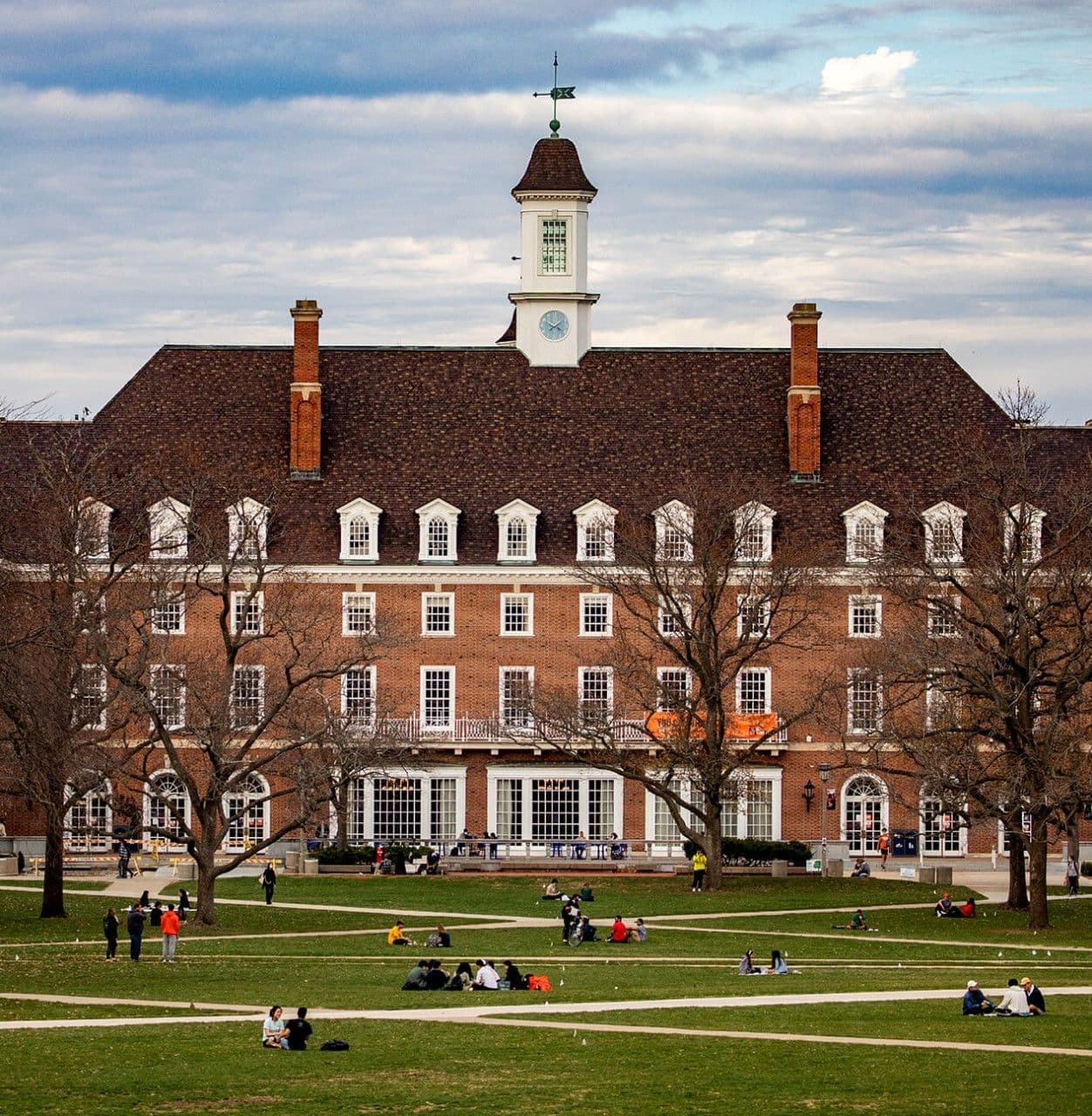

Bioengineering
The Bachelor of Science in Bioengineering is a four year program designed to provide students with a strong foundation in both engineering principles and biological sciences. The curriculum emphasizes biomedical systems, biomaterials, tissue engineering, and medical device design, enabling students to develop innovative solutions for healthcare and biotechnology applications. Through lectures, laboratory exercises, design projects, and research experiences, students gain hands-on experience in applying engineering methods to biological problems, preparing them for careers in medical technology, research, and healthcare innovation.
Students gain extensive experience in biomechanics, bioinstrumentation, molecular biology, and computational modeling, strengthening problem solving, critical thinking, analytical skills, and design capabilities. The program combines core courses in engineering, biology, and chemistry with electives that allow students to specialize in areas such as biomedical imaging, biomaterials, or regenerative medicine. By integrating theoretical knowledge with applied research and design projects, graduates acquire the skills necessary to pursue careers in biomedical engineering, medical device development, healthcare consulting, or continue into graduate studies in bioengineering, biotechnology, or related fields.
Key Facts
Key Facts
- Program Title: Bioengineering
- Degree Type: Bachelor of Science
- Duration: 4 years
- Mode of Study: Full-time, On Campus
- Application Deadline: 05 January 2026
- Location: University of Illinois Urbana-Champaign, United States
- Field of Study: Bio & Biomedical Engineering
- Language of Instruction: English
Program Structure
Year 1 - Foundations in Bioengineering
- Introduction to Bioengineering
- General Biology and Chemistry
- Calculus and Applied Mathematics
- Academic Writing and Research Skills
Year 2 - Core Studies in Biomedical Systems
- Biomechanics and Bioinstrumentation
- Molecular and Cellular Biology
- Thermodynamics and Materials Science
- Elective Courses in Biomaterials or Bioprocess Engineering
Year 3 - Advanced Topics & Applied Research
- Tissue Engineering and Regenerative Medicine
- Medical Device Design and Innovation
- Laboratory Research Project in Bioengineering
- Elective Courses in Biomedical Imaging or Computational Biology
Year 4 - Capstone & Professional Preparation
- Senior Design Project in Bioengineering
- Advanced Seminar in Biomedical Engineering
- Internship / Professional Placement in Industry or Research Labs
- Career Preparation and Professional Skills
Career Opportunities
Graduates of this program are prepared for careers in biomedical engineering, biotechnology, medical device development, healthcare consulting, and research institutions. They often work as biomedical engineers, research scientists, medical device designers, regulatory specialists, and biotechnology consultants, applying knowledge of engineering principles and biological sciences to develop innovative solutions for medical and healthcare challenges. Many graduates continue their studies in bioengineering, biotechnology, biomedical research, or related graduate programs, leveraging their expertise to create advanced medical devices, conduct cutting-edge research, or improve healthcare technology. The combination of applied research experience, technical design skills, and professional preparation ensures graduates are fully equipped to succeed in multidisciplinary environments that require innovation, precision, and scientific expertise.
Why Choose This Program
This program is ideal for students seeking a comprehensive education in engineering, biology, and biomedical technology that integrates theoretical knowledge with hands-on design and research experience. It emphasizes biomedical systems, tissue engineering, medical device innovation, and applied research, preparing students for careers in healthcare, biotechnology, and biomedical engineering. Students participate in laboratory research, design projects, internships, and applied biomedical studies, gaining practical experience alongside academic learning. The four year curriculum allows in depth exploration of engineering solutions for biological and medical challenges, ensuring graduates are fully prepared to contribute meaningfully to technological innovation, healthcare improvement, and scientific discovery.
Contact Information
For further information, please contact the graduate admissions office at:
Phone: 217-333-0035
Email: grad@illinois.edu
Address: The Graduate College, 507 East Green Street, Suite 101, MC-434, Champaign, IL 61820, United States
