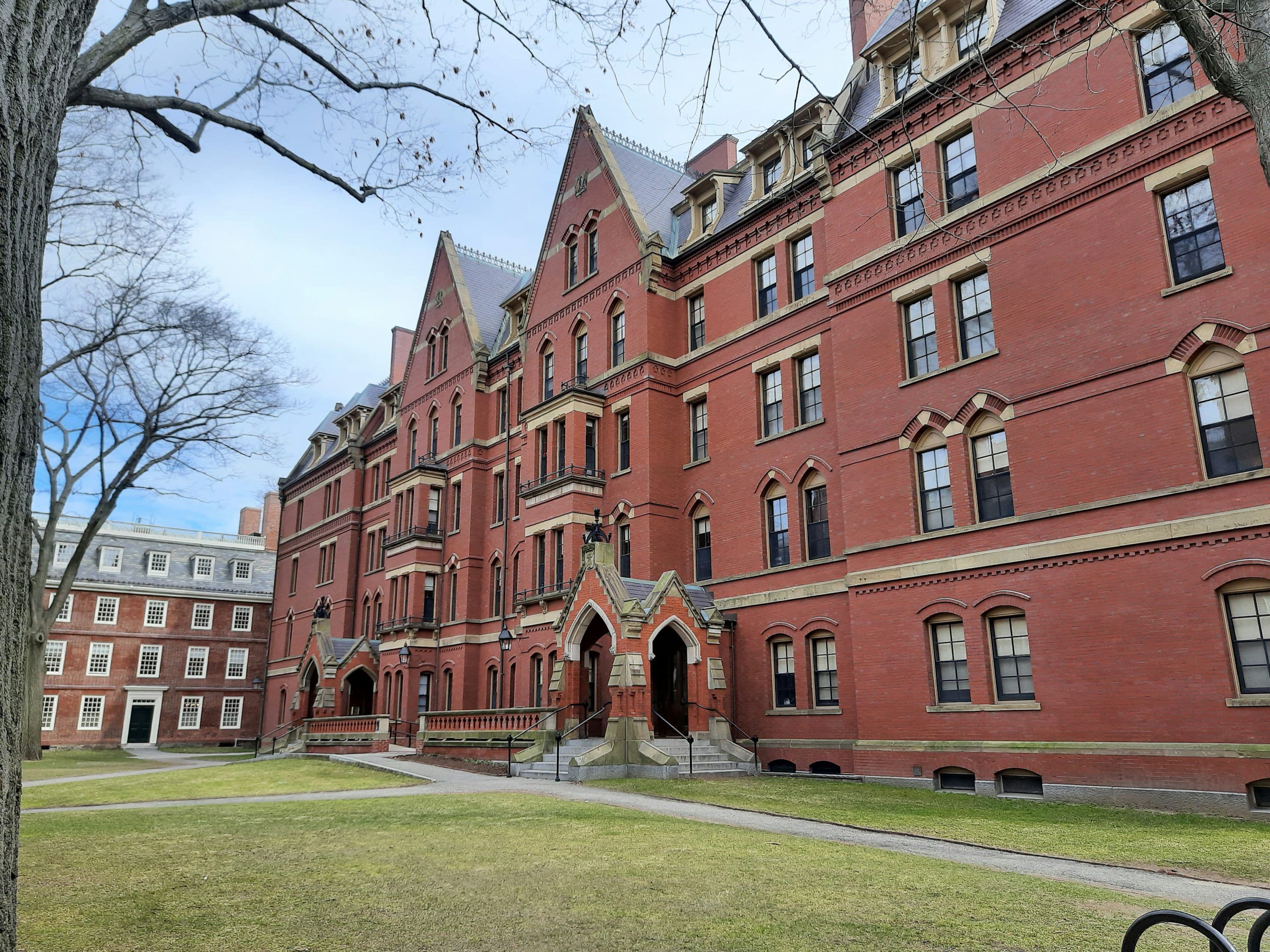

The Bioethics program provides specialized training in ethical principles, decision-making, and policy considerations within biomedical and healthcare contexts. Students study topics such as medical ethics, research ethics, patient rights, and regulatory frameworks, developing the ability to analyze complex ethical dilemmas and guide responsible decision-making in clinical and research settings. The curriculum emphasizes ethical reasoning, critical thinking, and applied practice, allowing students to integrate theory with real-world scenarios through case studies, research projects, and discussions on contemporary bioethical issues. Through lectures, seminars, and applied assignments, participants gain hands-on experience in evaluating ethical challenges, developing policy recommendations, and contributing to responsible healthcare practices.
In addition to ethical knowledge, the program fosters analytical skills, professional judgment, and leadership, preparing students to address complex issues in healthcare, research, and policy development. Applied projects, independent research, and collaborative assignments allow participants to explore emerging bioethical challenges, propose practical solutions, and engage with multidisciplinary teams. Graduates leave the program prepared for careers in hospital ethics committees, research institutions, policy advisory roles, healthcare consultancy, or to pursue advanced studies in bioethics, biomedical research, or healthcare law.
Key Facts
Key Facts
- Program Title: Bioethics
- Degree Type: S. Master
- Duration: 1 year
- Mode of Study: Full-time, On Campus
- Application Deadline: 01 December 2025
- Location: Harvard University, United States
- Field of Study: Biomedical Science
- Language of Instruction: English
Program Structure
Semester 1 – Foundations in Bioethics
- Introduction to Bioethics and Ethical Theory
- Medical and Research Ethics
- Legal and Regulatory Frameworks in Healthcare
- Research Methods in Biomedical Ethics
Semester 2 – Applied Bioethics & Capstone
- Ethical Decision-Making in Clinical Practice
- Policy Development and Evaluation
- Seminar: Contemporary Issues in Bioethics
- Independent Research Project / Applied Fieldwork
Career Opportunities
Graduates of this program are prepared for careers in hospital ethics committees, healthcare institutions, research organizations, policy advisory roles, and consultancy, taking on positions such as bioethics advisors, policy analysts, clinical ethics consultants, and research ethics coordinators. The program equips students with analytical, ethical, and decision-making skills, enabling them to navigate complex ethical challenges, evaluate policy implications, and implement responsible practices in biomedical and healthcare settings. Additionally, graduates are well-prepared for further academic studies, including doctoral programs in bioethics, biomedical science, or health policy, positioning them for leadership and specialist roles in ethics and healthcare governance.
Why Choose This Program
This program provides a comprehensive and applied learning experience that integrates ethical theory, biomedical practice, and policy considerations, preparing students to address complex ethical challenges in healthcare and research. Through lectures, seminars, applied projects, and independent research, students develop practical skills in ethical decision-making, policy evaluation, and professional judgment. The curriculum fosters critical thinking, analytical reasoning, and leadership, ensuring graduates are capable of contributing effectively to ethical governance, healthcare policy, and research oversight. By combining theoretical knowledge with applied practice, the program equips students with the expertise, confidence, and professional readiness needed to excel in bioethics and related biomedical fields.
Contact Information
For further information, please contact the admissions office at:
Phone: +1 617 495 1000
Email: admissions@harvard.edu
Address: University of Harvard, Cambridge, MA 02138, United States
