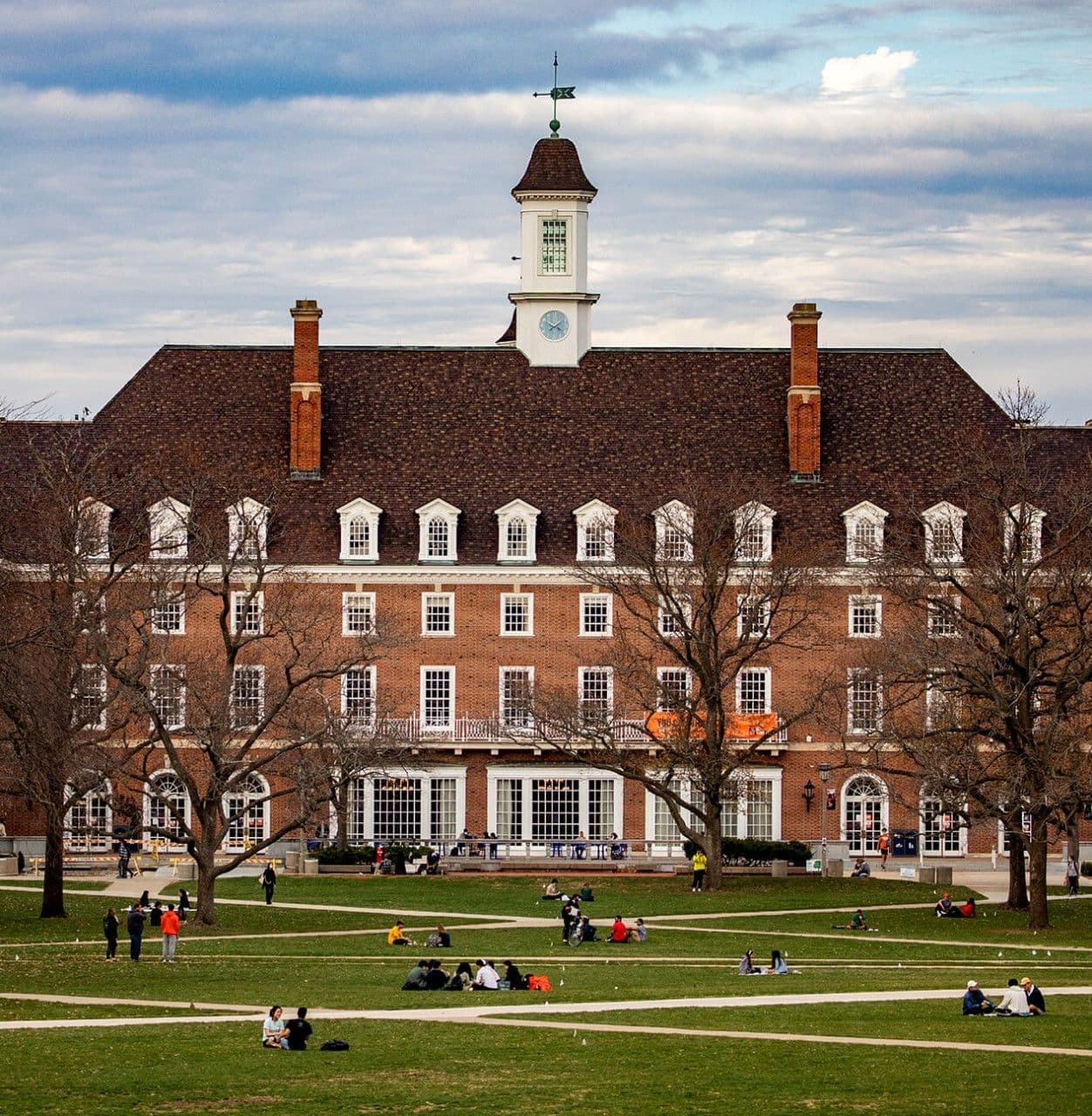

Bioinformatics
The Bioinformatics program provides a comprehensive and interdisciplinary education that equips students with the skills necessary to analyze and interpret complex biological data. Participants gain expertise in genomics, computational biology, data analysis, and statistical modeling. The curriculum blends rigorous theoretical coursework with practical laboratory experience, programming, and applied research projects, enabling graduates to develop strong analytical, computational, and problem-solving skills. Students engage in hands-on projects, algorithm development, and data-driven studies, which prepare them to investigate biological questions, interpret high-throughput data, and contribute to cutting-edge research in genomics, proteomics, and systems biology.
This program also explores the interface between computational techniques, biological systems, and biomedical applications, preparing students to address challenges in personalized medicine, drug discovery, and molecular research. Through collaboration with experienced faculty, access to advanced computational facilities, and engagement in interdisciplinary research projects, students acquire a robust understanding of bioinformatics tools, statistical analysis, and data interpretation. Graduates leave equipped with the expertise and practical experience necessary to contribute meaningfully to research institutions, biotechnology companies, healthcare organizations, and academic environments, advancing knowledge and innovation in bioinformatics and biostatistics.
Key Facts
Key Facts
- Program Title: Bioinformatics
- Degree Type: Master of Science
- Duration: 1 year
- Mode of Study: Full-time, On Campus
- Application Deadline: 15 January 2026
- Location: University of Illinois Urbana-Champaign, United States
- Field of Study: Bioinformatics & Biostatistics
- Language of Instruction: English
Program Structure
Semester 1 – Foundations in Bioinformatics
- Introduction to Bioinformatics and Computational Biology
- Molecular Biology and Genomics
- Programming for Biological Data Analysis
- Statistical Methods in Biostatistics
Semester 2 – Advanced Applications and Research
- Machine Learning and Data Mining in Bioinformatics
- Proteomics and Systems Biology
- Data Integration and Database Management
- Research Project / Capstone in Bioinformatics
Career Opportunities
Graduates of this program are prepared for careers in bioinformatics research, biotechnology firms, pharmaceutical companies, healthcare institutions, and academic research laboratories. Potential roles include bioinformatician, computational biologist, data analyst, genomics specialist, and research scientist. The program’s strong emphasis on computational techniques, applied research, and interdisciplinary training ensures that alumni are well-prepared to analyze complex datasets, develop algorithms, and contribute to innovative projects in genomics, drug discovery, and molecular medicine. Graduates are equipped to influence biomedical research, lead data-driven initiatives, and advance scientific knowledge in bioinformatics and biostatistics on both national and international levels.
Why Choose This Program
This program is ideal for students seeking a rigorous, applied, and research-focused education in bioinformatics and biostatistics. Its curriculum combines hands-on computational training, laboratory research, and advanced coursework to provide a unique integration of biology and data science. Participants benefit from mentorship by experienced faculty, access to cutting-edge computational facilities, and opportunities for collaborative projects, enhancing their understanding of complex biological systems and computational methods. The program cultivates critical thinking, programming expertise, and analytical skills, preparing graduates for impactful careers in research, biotechnology, healthcare, and academia. Choosing this program equips students with the knowledge and practical experience necessary to tackle challenges in genomics, molecular biology, and computational biology effectively.
Contact Information
For further information, please contact the graduate admissions office at:
Phone: 217-333-0035
Email: grad@illinois.edu
Address: The Graduate College, 507 East Green Street, Suite 101, MC-434, Champaign, IL 61820, United States
