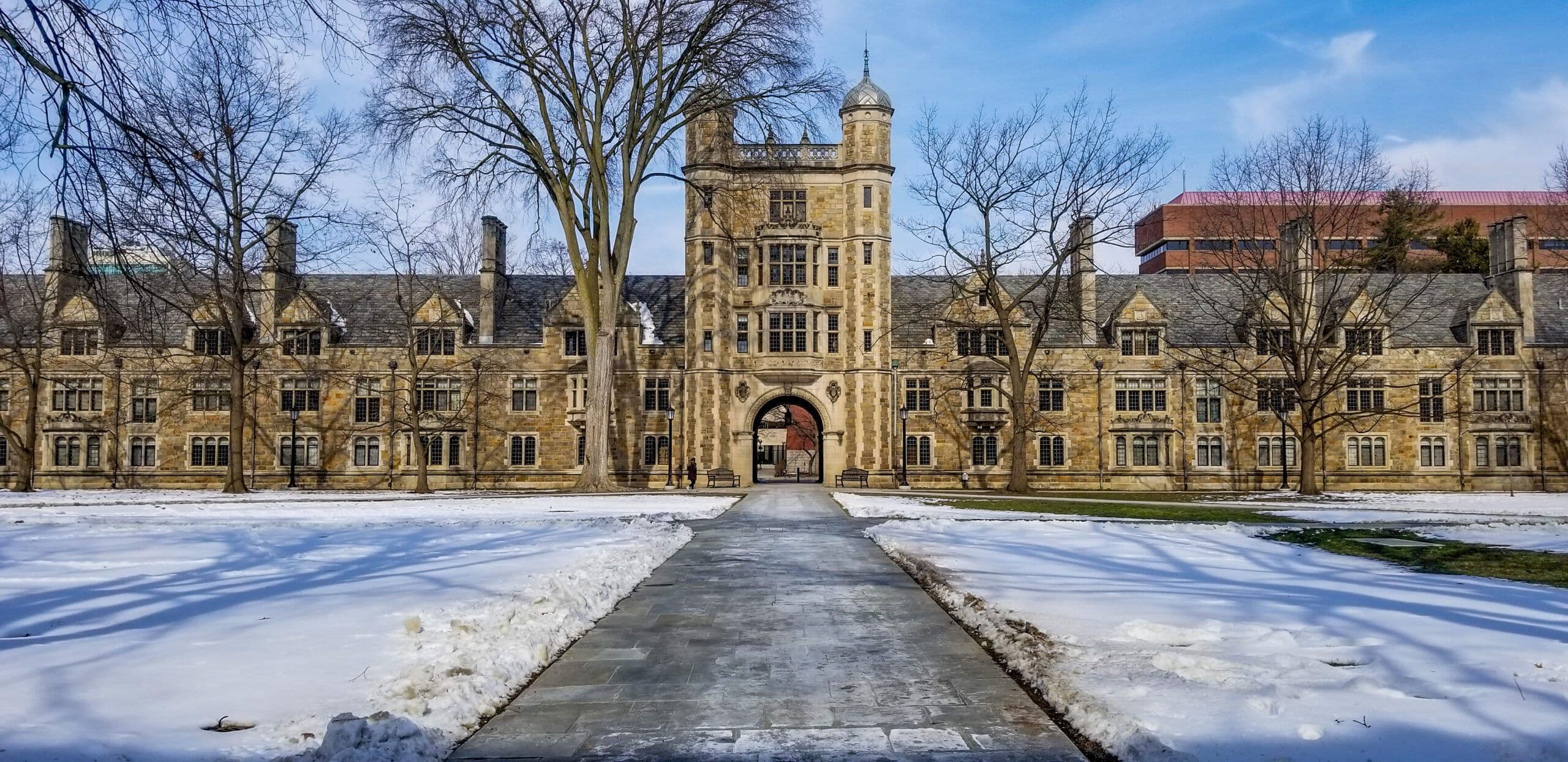

Bioinformatics
The Master of Science in Bioinformatics at the University of Michigan is a one-year, full-time, on-campus graduate program designed for students who wish to combine expertise in computational biology, data analysis, and genomics. As an interdisciplinary field that lies at the intersection of biology, computer science, and mathematics, bioinformatics is central to advancing precision medicine, drug discovery, and biological research. This program equips students with the skills necessary to analyze large-scale biological data, interpret genetic information, and apply computational models to solve complex biological problems.
The curriculum blends theory with hands-on training in bioinformatics tools, databases, and programming languages, including Python, R, and SQL. Students are exposed to areas such as genomics, proteomics, systems biology, and biostatistics. Through projects and research opportunities, students gain the experience needed to handle and analyze biological data, conduct simulations, and apply machine learning algorithms in biological contexts. With direct access to leading faculty, state-of-the-art laboratories, and collaborative projects with medical and research institutions, graduates are prepared to become leaders in the rapidly growing field of bioinformatics, where data and biology converge to drive breakthroughs in healthcare and disease research.
Key Facts
Key Facts
- Program Title: Bioinformatics
- Degree Type: Master of Science
- Duration: 1 year
- Mode of Study: Full-time, On Campus
- Application Deadline: 01 March 2026
- Location: University of Michigan, United States
- Field of Study: Bioinformatics & Biostatistics
- Language of Instruction: English
Program Structure
Semester 1 – Foundations in Bioinformatics and Computational Biology
- Introduction to Bioinformatics
- Biological Databases and Tools
- Programming for Biological Data Analysis
- Introduction to Statistics and Biostatistics
Semester 2 – Advanced Topics and Applied Bioinformatics
- Genomic Data Analysis and Interpretation
- Proteomics and Systems Biology
- Machine Learning in Bioinformatics
- Capstone Research Project in Bioinformatics
Career Opportunities
Graduates of the Bioinformatics program are highly sought after in industries that require both biological knowledge and computational expertise. Many pursue careers in genomics research, biotechnology companies, pharmaceutical development, and healthcare organizations, where they contribute to the development of personalized medicine, genetic testing, and drug discovery. Others find positions in academic research, public health agencies, or clinical laboratories focused on understanding genetic disorders, epidemiology, and disease prevention. Additionally, bioinformatics professionals are in demand in data science, bioengineering, and regulatory roles within the healthcare sector. The program’s comprehensive approach to data analysis and biological interpretation prepares graduates to excel in these rapidly evolving fields, where the intersection of technology and biology plays a critical role in scientific progress and healthcare innovation.
Why Choose This Program
University of Michigan’s Master of Science in Bioinformatics offers a cutting-edge education that combines computational expertise, biological sciences, and practical experience. The program is designed to equip students with the technical and analytical skills necessary to address real-world challenges in genomics, bioinformatics, and biotechnology. The interdisciplinary nature of the curriculum ensures students gain a broad understanding of the field, while also providing the flexibility to specialize in areas such as systems biology or machine learning. With a faculty of experts in computational biology, access to innovative research labs, and opportunities for internships and collaborative research, students are well-positioned to advance their careers in bioinformatics. Whether entering academia, industry, or healthcare, this program provides a strong foundation for tackling the complex biological questions that shape the future of medicine and technology.
Contact Information
For further information, please contact the admissions office at:
Phone: 734-764-8129
Email: rackadmis@umich.edu
Address: Graduate Admissions Office, University of Michigan, Ann Arbor, MI 48109, USA
