Master of Engineering · Full-time · Blended

Massachusetts Institute of Technology (MIT)
Cambridge, United States
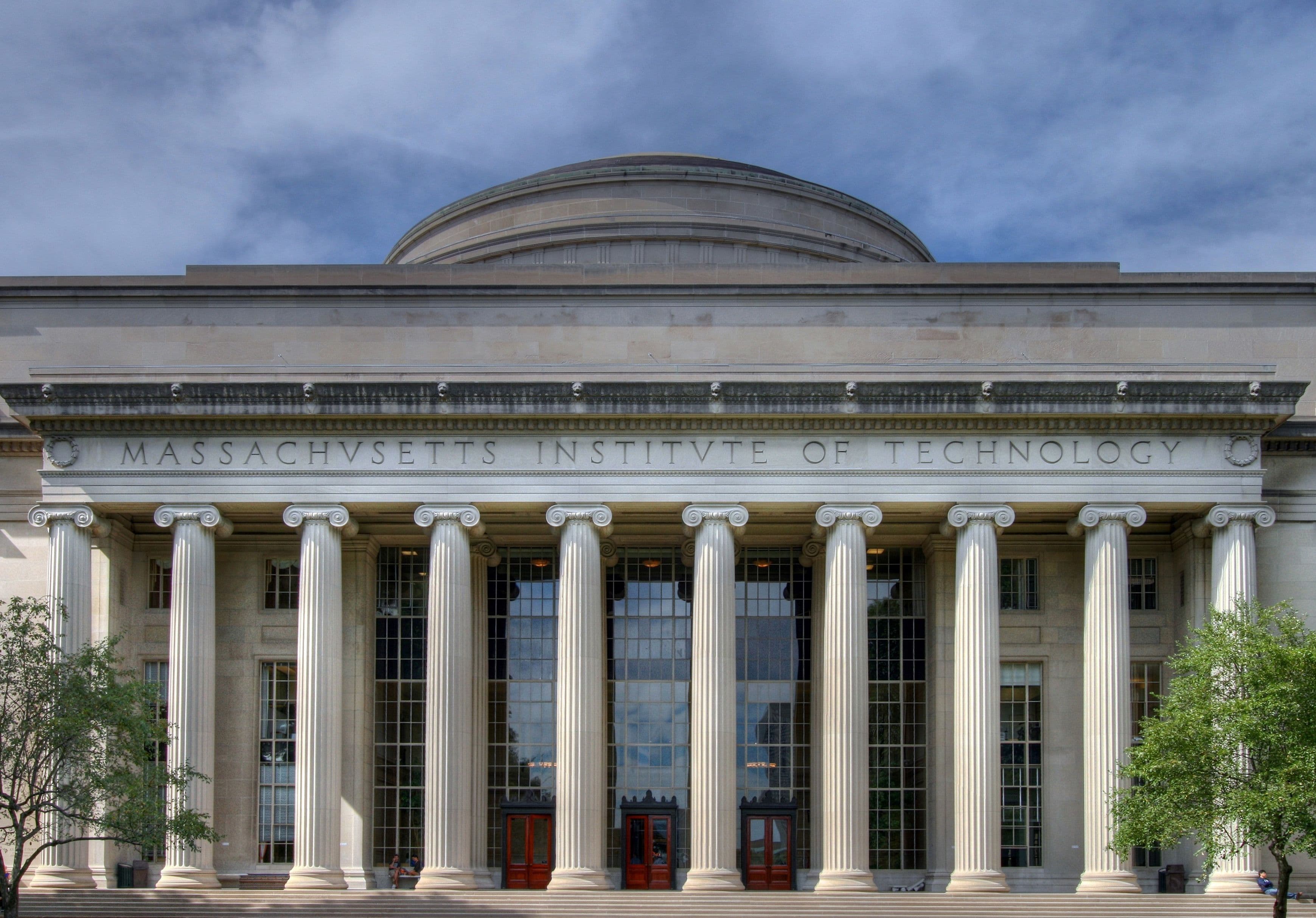
The Biological Engineering Bachelor of Science program offers an in-depth exploration of how biological systems can be understood, engineered, and applied to address challenges in health, environment, and technology. Students develop a strong foundation in biology, chemistry, and engineering principles, learning to approach complex problems through quantitative analysis, experimental design, and system-level thinking. The curriculum encourages students to connect molecular-level processes with large-scale applications, helping them understand how engineered biological solutions can support innovations in medicine, sustainability, and biotechnology. This integrated approach allows learners to evaluate scientific questions with both analytical precision and practical insight.
As students progress, they engage in laboratory research, design projects, and interdisciplinary coursework that build technical expertise and scientific confidence. They gain valuable experience applying biological modeling, genetic engineering techniques, and biochemical analysis to real-world research questions. Collaboration with faculty and participation in research groups deepen their understanding of how engineered biological systems contribute to solving modern global issues. Graduates emerge with a broad skill set and a strong scientific foundation, enabling them to pursue impactful roles in research, industry, or further academic study where biological innovation plays a central role.
Year 1 – Foundations in Biology and Engineering
• Principles of Biology
• General Chemistry with Laboratory
• Calculus and Engineering Mathematics
• Introduction to Biological Engineering Concepts
Year 2 – Core Biological Engineering Principles
• Genetics and Molecular Biology
• Engineering Computation and Data Analysis
• Organic Chemistry
• Biophysical and Biochemical Systems
Year 3 – Advanced Biological Systems and Applications
• Systems Biology and Modeling
• Biomaterials and Cellular Engineering
• Experimental Laboratory Methods
• Electives in Biotechnology, Medicine, or Environmental Engineering
Year 4 – Integration, Design & Capstone Research
• Biological Engineering Design
• Advanced Topics in Bioengineering
• Capstone Research or Design Project
• Specialized Technical Electives
Graduates of this program pursue a wide range of careers at the intersection of engineering, biology, and technology. Many enter roles in biotechnology, biomedical research, pharmaceuticals, environmental engineering, or biomaterials development, where they apply their understanding of engineered biological systems to innovation and problem-solving. Others join public health organizations, research laboratories, or regulatory agencies focused on scientific evaluation and biological safety. The program also provides a strong foundation for students interested in graduate study in biological engineering, molecular biology, medical sciences, or related interdisciplinary areas.
This program is ideal for students who want to explore how engineering principles can be applied to biological systems to advance health, sustainability, and technology. Its curriculum emphasizes scientific rigor, engineering problem-solving, and hands-on research, allowing learners to gain experience in designing and analyzing biological solutions. Students benefit from laboratory-rich coursework, access to cutting-edge research environments, and opportunities to engage with faculty working on innovative biological technologies. The blend of engineering and biology creates a dynamic academic experience suited for those who aspire to contribute to meaningful advances in biotechnology and life sciences.
For further information, please contact the admissions office at:
Phone: +1 617-253-1000
Email: admissions@mit.edu
Address: University of MIT, 77 Massachusetts Avenue, Cambridge, MA 02139, USA
Master of Engineering · Full-time · Blended
Massachusetts Institute of Technology (MIT)
Cambridge, United States
Master of Science · Full-time · On Campus
Massachusetts Institute of Technology (MIT)
Cambridge, United States
Master of Architecture · Full-time · On Campus
Massachusetts Institute of Technology (MIT)
Cambridge, United States
Executive Master of Business Administration (EMBA) · Full-time · On Campus
Massachusetts Institute of Technology (MIT)
Cambridge, United States
