The Bachelor of Science in Biology is a comprehensive four-year program designed to provide students with a deep understanding of living systems at molecular, cellular, organismal, and ecological levels. Students explore genetics, molecular biology, ecology, evolution, physiology, and microbiology, developing both theoretical knowledge and practical laboratory skills. The curriculum emphasizes scientific reasoning, experimental design, and quantitative analysis, preparing students to investigate complex biological phenomena and apply their understanding to real-world challenges in health, environment, and biotechnology.
Throughout the program, students engage in laboratory research, field studies, and interdisciplinary coursework, integrating knowledge across biological subfields. The program encourages critical thinking, problem-solving, and data analysis, enabling students to design experiments, interpret results, and communicate scientific findings effectively. By combining rigorous scientific training with opportunities for independent research, students gain the skills necessary to contribute to scientific discovery, public health initiatives, and conservation efforts, while developing a foundation for graduate study or professional careers.
Key Facts
Key Facts
- Program Title: Biology
- Degree Type: Bachelor of Science
- Duration: 4 years
- Mode of Study: Full-time, On Campus
- Application Deadline: 01 January 2026
- Location: Emory University, United States
- Field of Study: Biology
- Language of Instruction: English
Program Structure
Year 1 – Foundations in Biology
• General Biology I & II with Lab
• General Chemistry I & II
• Academic Writing and Research
• Introduction to Environmental Science
Year 2 – Core Biological Concepts
• Genetics and Molecular Biology
• Cell Biology
• Organic Chemistry I & II
• Statistics and Data Analysis
Year 3 – Advanced Topics
• Ecology and Evolution
• Physiology
• Microbiology and Immunology
• Elective: Neurobiology / Biochemistry
Year 4 – Integration and Capstone
• Senior Research Project or Thesis
• Advanced Elective: Genomics / Biotechnology
• Seminar in Biological Sciences
• Internship or Applied Research Experience
Career Opportunities
Graduates of the Biology program are prepared for careers in research, healthcare, biotechnology, environmental science, education, and public health. They may also pursue advanced studies in medicine, veterinary science, biomedical research, ecology, or graduate programs in biology-related fields. Employers value graduates’ analytical skills, laboratory proficiency, and ability to synthesize complex biological data, making them well-equipped for roles in academic, industrial, governmental, and nonprofit sectors. Alumni can contribute to scientific innovation, healthcare, and environmental conservation initiatives.
Why Choose This Program
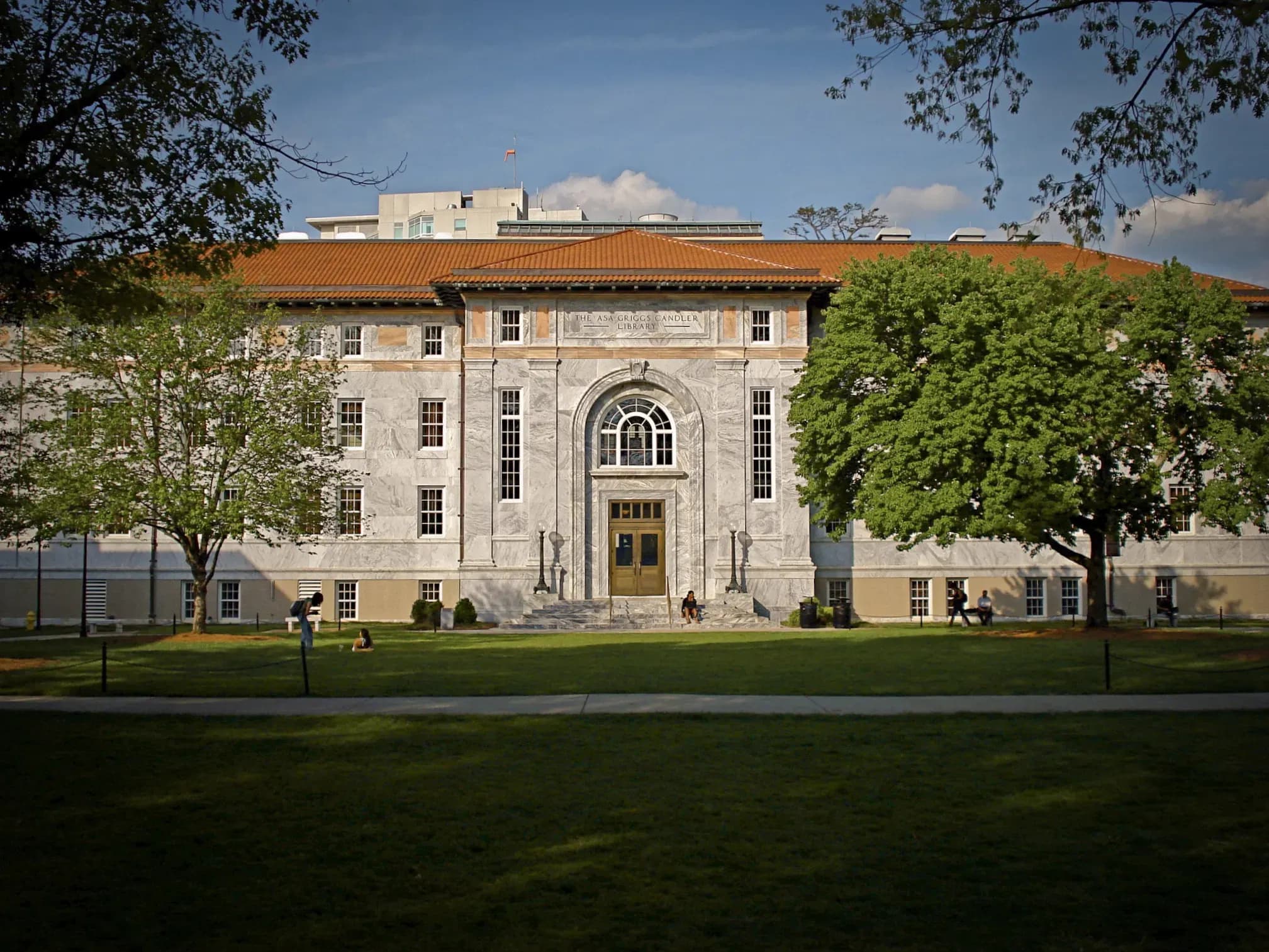
This program is ideal for students passionate about understanding the mechanisms of life and applying scientific knowledge to address real-world challenges. Emory University offers a rigorous and research-oriented curriculum with access to laboratories, fieldwork opportunities, and mentorship from experienced faculty. The program emphasizes critical thinking, problem-solving, and hands-on experimentation, ensuring that students develop both theoretical and practical expertise. Graduates leave the program with a strong foundation in biological sciences, ready to pursue careers, advanced studies, and innovative contributions in health, research, and environmental fields.
Contact Information
For further information, please contact the admissions office at:
Phone: +1 404 727 6123
Email: contentedit@emory.edu
Address: University of Emory, 201 Dowman Drive, Atlanta, GA 30322, United States
