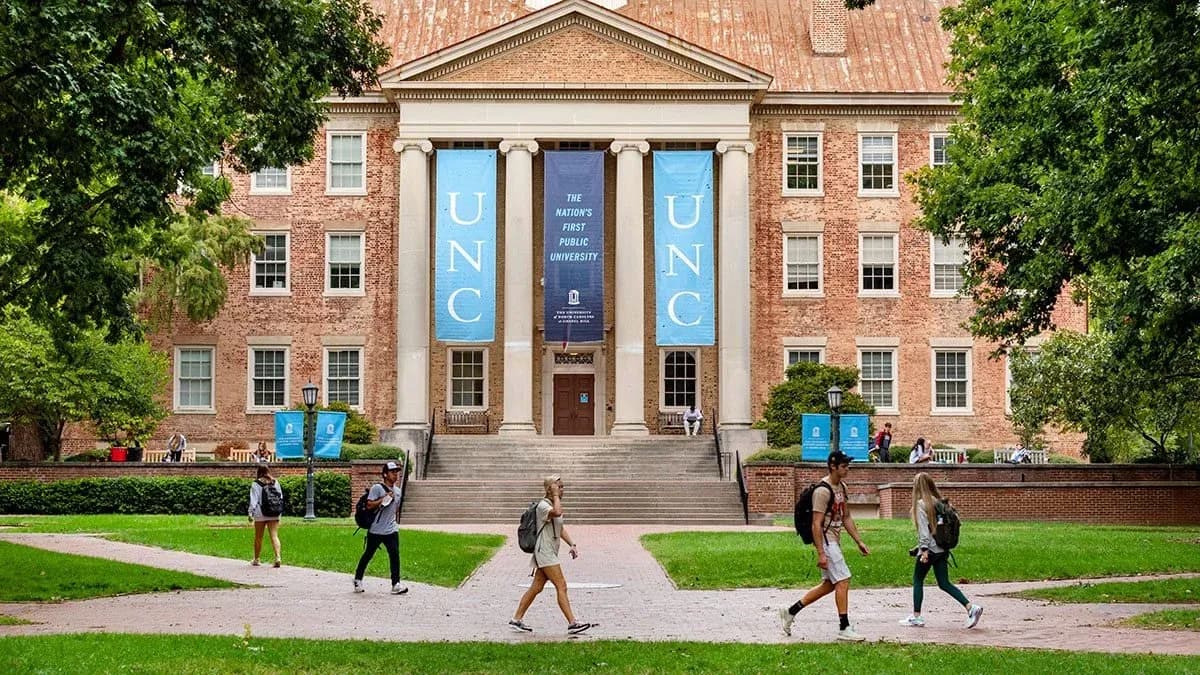

Biology
The Biology Bachelor of Science program at the University of North Carolina provides students with comprehensive knowledge of biological systems, molecular biology, and ecological principles. The curriculum emphasizes genetics, cellular biology, physiology, and research methods, preparing learners to analyze complex biological processes and conduct scientific investigations. Students develop analytical skills, laboratory competence, research abilities, and applied biological knowledge, equipping them to explore living systems and contribute meaningfully to scientific, medical, and environmental fields.
Throughout the program, learners engage in coursework, laboratory experiments, and field studies that integrate theoretical understanding with practical applications. Faculty mentorship guides students in experimental design, data analysis, and scientific communication, enabling them to apply classroom knowledge to real world biological problems. By combining theory with applied research, students strengthen critical thinking skills, laboratory expertise, research competence, and applied scientific abilities, ensuring they are prepared for professional, academic, and research roles in biology and related disciplines.
Key Facts
Key Facts
- Program Title: Biology
- Degree Type: Bachelor of Science
- Duration: 4 years
- Mode of Study: Full-time, On Campus
- Application Deadline: 01 February 2026
- Location: University of North Carolina at Chapel Hill, United States
- Field of Study: Biology
- Language of Instruction: English
Program Structure
Year 1 Foundations in Biology
• Introduction to Biology and Life Sciences
• Chemistry for Biological Studies
• Mathematics and Statistics for Biologists
• Academic Writing and Research
Year 2 Core Biological Studies
• Genetics and Molecular Biology
• Cell Biology and Physiology
• Ecology and Environmental Biology
• Laboratory Techniques and Data Analysis
Year 3 Advanced Biology and Research
• Microbiology and Immunology
• Biochemistry and Molecular Techniques
• Fieldwork and Research Practicum
• Elective Modules in Genetics, Ecology, or Biotechnology
Year 4 Integration and Capstone
• Advanced Topics in Biology
• Independent Research Project
• Capstone Seminar and Presentation
• Professional Development and Portfolio
Career Opportunities
Graduates of this program are prepared for professional roles that require expertise in biological research, laboratory techniques, and scientific analysis. Many pursue careers as biological researchers, laboratory technicians, environmental consultants, and health science specialists, applying analytical, experimental, and research skills to investigate biological phenomena. Others work in academic institutions, research centers, healthcare, or environmental organizations, conducting experiments, analyzing data, and developing solutions for scientific and ecological challenges. The programs emphasis on applied research, laboratory competence, and critical analysis equips graduates to excel in professional, academic, and research settings.
Why Choose This Program
This program is ideal for students who want to combine theoretical knowledge of biology with practical skills in research, laboratory work, and scientific analysis. Its curriculum emphasizes molecular biology, ecology, genetics, and applied research, providing learners with the tools to investigate biological processes, analyze data, and contribute to scientific discovery. Faculty mentorship supports students in developing research expertise, laboratory proficiency, analytical reasoning, and applied scientific skills. Through laboratory experiments, fieldwork, and capstone projects, learners strengthen research competence, laboratory expertise, analytical skills, and applied scientific abilities, preparing them for impactful careers in research, healthcare, environmental science, and academic study.
Contact Information
Phone: +1 (919) 966-3621
Email: unchelp@admissions.unc.edu
Address: Jackson Hall, 174 Country Club Road, Chapel Hill, NC 27514, USA
