Biology (Ecology and Evolutionary)
The Master of Science in Biology (Ecology and Evolutionary) provides students with a comprehensive understanding of ecological systems, evolutionary biology, and environmental interactions. The program emphasizes field research, data analysis, and experimental design, enabling students to investigate species dynamics, population changes, and ecosystem processes. Students develop expertise in ecological research, evolutionary analysis, and biodiversity assessment, preparing them for roles in academic research, environmental consulting, conservation organizations, and governmental agencies. Through fieldwork, laboratory experiments, and research projects, learners gain practical experience in studying ecological interactions, analyzing evolutionary patterns, and contributing to evidence-based conservation strategies.
Over the one-year program, students engage in intensive coursework, applied research, and collaborative learning that strengthens both analytical and practical competencies. The curriculum covers ecology, evolutionary biology, genetics, and environmental science, providing a strong foundation for professional practice. By integrating theoretical knowledge with applied research, students develop competencies in population modeling, ecosystem assessment, and scientific reporting. This approach prepares graduates to contribute effectively to research institutions, conservation organizations, environmental agencies, and academic settings while fostering critical thinking, analytical skills, and expertise in ecology and evolutionary biology.
Key Facts
Key Facts
- Program Title: Biology (Ecology and Evolutionary)
- Degree Type: Master of Science
- Duration: 1 year
- Mode of Study: Full-time, On Campus
- Application Deadline: 01 December 2025
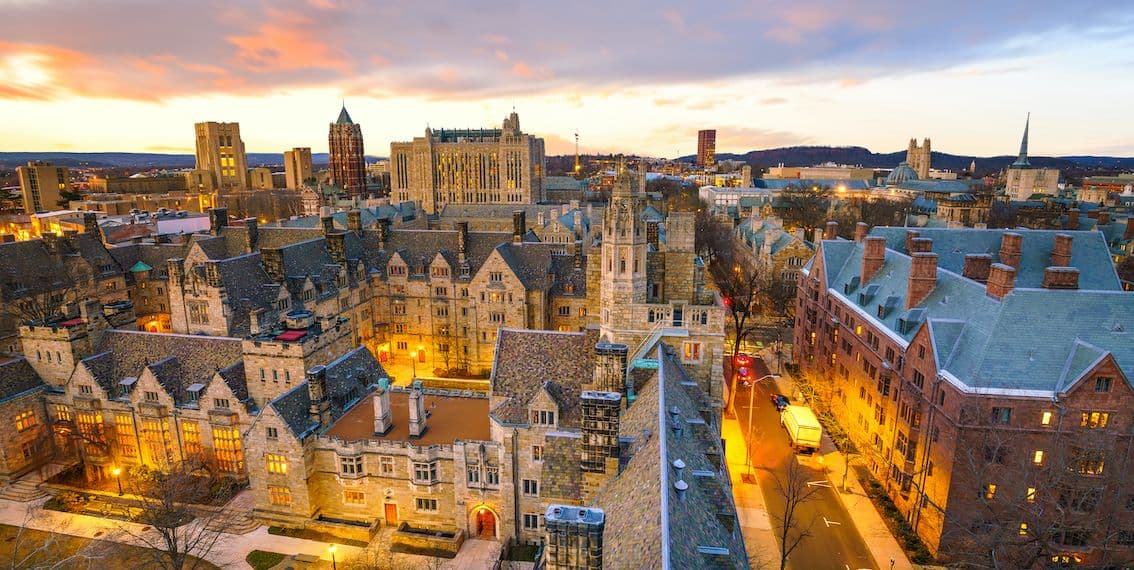
- Location: Yale University, United States
- Field of Study: Biology
- Language of Instruction: English
Program Structure
Semester 1 – Foundations in Ecology and Evolution
• Introduction to Ecology and Evolution
• Principles of Genetics and Population Biology
• Research Methods in Biology
• Fieldwork and Laboratory Techniques
Semester 2 – Advanced Analysis & Applied Research
• Evolutionary Dynamics and Adaptation
• Conservation Biology and Biodiversity
• Applied Research Projects
• Seminar: Case Studies in Ecology and Evolution
Career Opportunities
Graduates of this program are prepared for careers in ecological research, conservation, and environmental management. Career opportunities include positions in research institutions, conservation organizations, environmental consultancy, governmental environmental agencies, and academic institutions. Graduates may also pursue roles in biodiversity assessment, ecosystem management, wildlife monitoring, and ecological policy advising. The program equips students with strong analytical, research, and fieldwork skills, enabling them to design studies, analyze ecological data, and implement conservation strategies. With expertise in ecology and evolutionary biology, graduates are well-prepared to influence environmental policies, contribute to biodiversity protection, and lead ecological research projects.
Why Choose This Program
This program is ideal for students seeking an applied and research-intensive education in ecology and evolutionary biology, offering a curriculum that emphasizes field research and evolutionary analysis. Its two-semester structure provides opportunities for practical fieldwork, laboratory experiments, and applied research, allowing learners to integrate theoretical knowledge with hands-on scientific experience. Through mentorship, collaborative projects, and research seminars, students acquire the expertise, analytical skills, and professional confidence necessary to conduct ecological research, evaluate evolutionary patterns, and address environmental challenges effectively. Graduates leave prepared to lead in ecological studies, contribute to conservation initiatives, and make significant contributions to environmental science.
Contact Information
For further information, please contact the admissions office at:
Phone: +1 203 432 2300
Email: admissions@yale.edu
Address: University of Yale, New Haven, CT 06520, United States
