.png&w=640&q=75)
Biology - Marine Science
The Bachelor of Science in Biology with a focus on Marine Science at Texas University provides an extensive and rigorous program designed for students passionate about the study of marine ecosystems, organisms and environmental interactions. Over the four year curriculum, learners gain a strong foundation in general biology, chemistry, oceanography, ecology and marine physiology, while developing practical skills in data collection, laboratory analysis and field research. The program emphasizes experiential learning and scientific inquiry, equipping students with analytical skills, research competence, environmental literacy and the ability to apply scientific principles to real world marine challenges. Students are encouraged to explore ecological relationships, conservation strategies and human impacts on marine environments to prepare for both professional and academic pursuits.
As students advance, they engage in specialized courses in marine biology, marine ecology, aquaculture, oceanographic research and conservation techniques, often complemented by field work and laboratory projects. This approach fosters the development of critical thinking, experimental design, data interpretation and problem solving skills while allowing students to experience hands on research in coastal, estuarine and open ocean environments. By the final year, learners have the ability to conduct independent research, analyze ecological patterns, communicate scientific findings and apply knowledge to marine resource management, preparing them for careers in environmental science, research, conservation, education or advanced studies in marine and biological sciences.
Key Facts
Key Facts
- Program Title: Biology - Marine Science
- Degree Type: Bachelor of Science
- Duration: 4 years
- Mode of Study: Full-time, On Campus
- Application Deadline: 01 December 2025
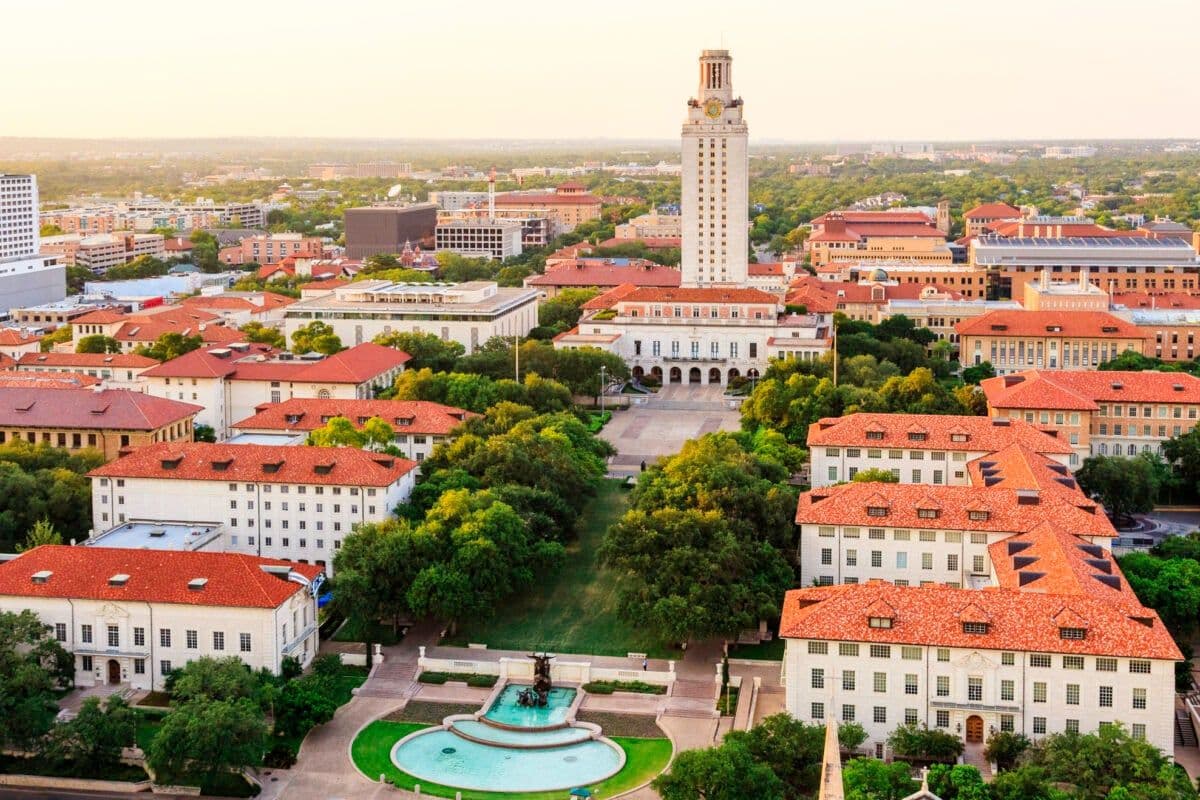
- Location: University of Texas at Austin, United States
- Field of Study: Biology
- Language of Instruction: English
Program Structure
Year 1 Foundations of Biology and Marine Science
• Introduction to Biology
• General Chemistry for Scientists
• Marine Science Fundamentals
• Laboratory and Field Methods
Year 2 Core Biological and Marine Concepts
• Ecology and Environmental Science
• Marine Organism Physiology
• Oceanography and Physical Processes
• Statistics and Data Analysis for Biology
Year 3 Advanced Marine Biology and Research
• Marine Ecology and Conservation
• Aquaculture and Fisheries Science
• Field Studies and Laboratory Techniques
• Electives in Marine Policy or Biotechnology
Year 4 Specialization and Capstone Project
• Advanced Topics in Marine Science
• Independent Research Project
• Seminar in Marine Environmental Management
• Professional Skills and Scientific Communication
Career Opportunities
Graduates of this program are prepared for careers in marine biology, environmental management, research, conservation and education, where they apply scientific knowledge to monitor, protect and manage aquatic ecosystems. Opportunities include marine research, environmental consultancy, aquaculture and fisheries management, coastal resource management, as well as roles in governmental and nonprofit organizations focused on marine and environmental protection. Graduates may also pursue careers in science communication, ecological data analysis, marine policy and oceanographic research, or continue their studies in graduate programs specializing in marine biology, environmental science or related disciplines.
Why Choose This Program
This program is ideal for students who are passionate about understanding marine ecosystems and developing the skills needed for a professional career in marine science through a curriculum that emphasizes hands on research, field and laboratory experience, analytical thinking and environmental problem solving. Its four year structure allows learners to gradually advance from foundational scientific concepts to specialized marine studies while gaining practical experience in real world environments. Small seminars, faculty mentorship, field excursions and independent research projects provide opportunities for students to develop scientific rigor, critical analysis and professional readiness. Graduates leave the program with the ability to integrate knowledge across biological and environmental disciplines, design and conduct research, and apply evidence based solutions to marine and ecological challenges, preparing them for impactful careers or advanced academic study in marine science and biology.
Contact Information
For further information, please contact the admissions office at:
Phone: +1 (512) 471-3434
Email: gradadmissions@utexas.edu
Address: 110 Inner Campus Drive, Stop G1800, Austin, TX 78712, USA
