Biology with Science and Society
The Bachelor of Science in Biology with Science and Society is a three-year full-time program that combines the study of biological sciences with an exploration of how science interacts with society. This interdisciplinary course provides students with a broad understanding of biology while encouraging them to think critically about the role of science in addressing global challenges.
The program covers a wide range of biological topics, from ecology and evolution to molecular biology, while also addressing issues such as ethics, policy, and the social implications of scientific developments. Graduates are prepared for careers in science communication, public policy, education, or roles that require a deep understanding of both biological science and its societal impact.
Key Facts
Key Facts
- Program Title: Bachelor of Science (BSc) in Biology with Science and Society
- Degree Type: Bachelor of Science (BSc)
- Duration: 3 years
- Mode of Study: Full-time, On Campus
- Application Deadline: 14th January 2026
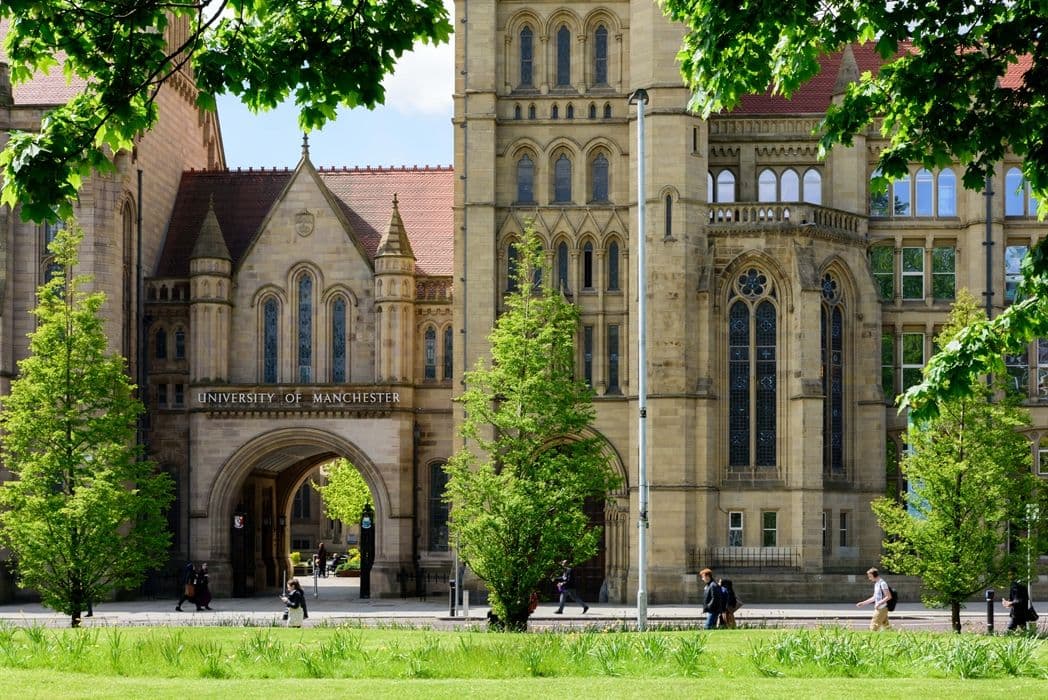
- Location: University of Manchester, United Kingdom
- Field of Study: Sociology
- Language of Instruction: English
Program Structure
Year 1 – Foundations in Biology and Science in Society
- Introduction to Biology: Cell Biology, Genetics, and Evolution
- Scientific Methodology: Research, Analysis, and Data Interpretation
- Biological Diversity: Ecosystems, Physiology, and Behavior
- Science and Society: Exploring the Impact of Scientific Discovery
- Ethics in Biology and Medicine: The Role of Science in Society
- Communication Skills: Scientific Writing and Public Speaking
- Academic Writing and Research Skills
Year 2 – Developing Biological Knowledge and Societal Perspectives
- Advanced Biology: Genetics, Ecology, and Evolutionary Biology
- Cell and Molecular Biology: Understanding Biological Systems
- Public Health and Disease: Global Challenges and Solutions
- Science and Policy: The Role of Scientists in Shaping Public Policy
- Ethics in Biotechnology: Social, Political, and Environmental Considerations
- Elective Modules in Environmental Science, Genetics, or Biomedicine
- Practical Laboratory Work: Hands-on Biological Techniques
Year 3 – Integrating Biology and Society with Research Focus
- Advanced Topics in Biology: Developmental Biology, Immunology, or Neuroscience
- Science Communication: Engaging the Public with Scientific Knowledge
- Biology and Social Change: The Role of Science in Addressing Global Issues
- Research Project: Independent Study on a Topic at the Intersection of Biology and Society
- Professional Development: Careers in Science and Public Engagement
- Biotechnology, Ethics, and Society: Controversial Issues and Public Perception
- Preparing for Postgraduate Study or Careers in Science and Society
Career Opportunities
Graduates of the Biology with Science and Society program are well-prepared for careers that bridge the gap between scientific research and its societal impact. Career paths include roles in science communication, public policy, environmental consultancy, research, education, and healthcare. Graduates can work for governmental and non-governmental organizations, environmental agencies, scientific publishing, or media outlets, as well as in the pharmaceutical and biotechnology industries. There are also opportunities in public health advocacy, science education, and regulatory bodies that oversee scientific research. Additionally, the program provides an excellent foundation for postgraduate study in fields such as public health, environmental policy, or bioethics.
Why Choose This Program
The Biology with Science and Society program at University of Manchester offers a unique opportunity to combine the study of biological sciences with an exploration of their broader societal impacts. This interdisciplinary approach ensures that students not only gain a deep understanding of biological processes but also develop the critical thinking skills necessary to address the ethical, political, and social issues related to scientific advancements. With a focus on science communication, ethics, and public policy, the program prepares graduates for a range of careers that require both scientific expertise and an understanding of how science affects society. Students benefit from access to cutting-edge laboratories, expert faculty, and opportunities for internships and research projects in collaboration with industry and policy-making organizations.
Contact Information
For further information, please contact the admissions office at:
Phone: +44 (0)161 275 5252
Email: admissions@manchester.ac.uk
Address: University of Manchester, Oxford Road, Manchester M13 9PL, United Kingdom
