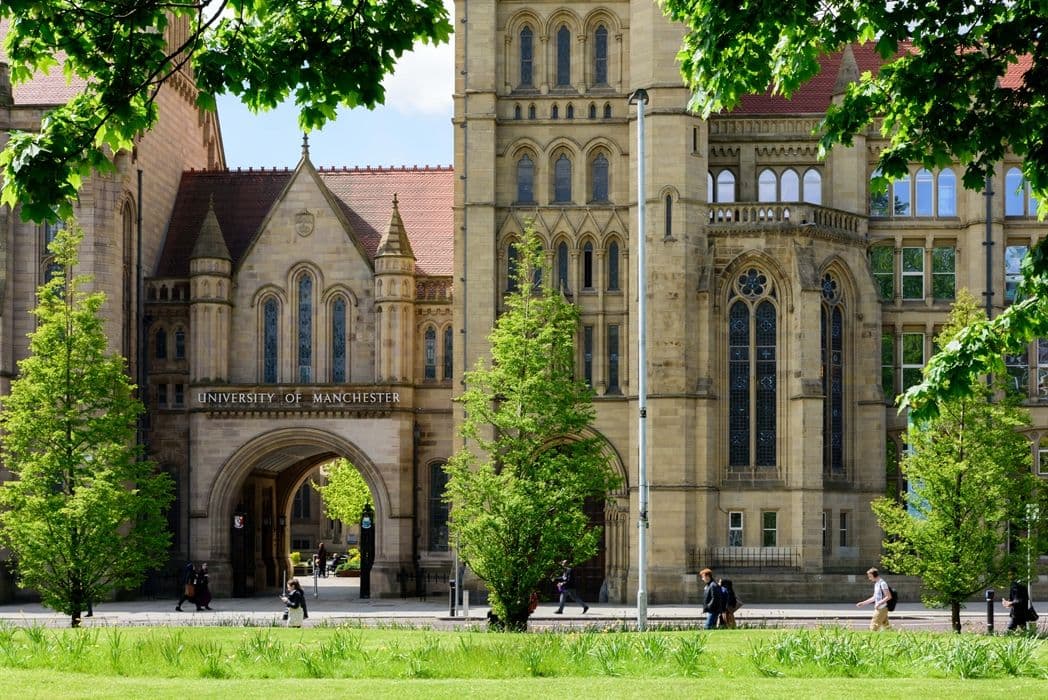

Cell Biology (Hons)
The Bachelor of Science (BSc) in Cell Biology (Hons) at the University of Manchester is a three-year, full-time program that provides students with a comprehensive understanding of the cellular processes that underlie life. The program covers key topics in molecular biology, biochemistry, genetics, and cell signaling, with a focus on how cells function in health and disease. Students will also gain practical laboratory skills in techniques such as microscopy, cell culture, and gene manipulation.
Graduates of the program will be well-prepared for careers in biomedical research, biotechnology, and healthcare. They will have the skills to work in research labs, pharmaceutical companies, or hospitals, where they can contribute to advancements in medical treatments, diagnostics, and the development of new therapies.
Key Facts
Key Facts
Program Title: Bachelor of Science (BSc) in Cell Biology (Hons)
Degree Type: Bachelor of Science (BSc)
Duration: 3 years
Mode of Study: Full-time, On Campus
Application Deadline: 30th June 2026
Location: University of Manchester, United Kingdom
Field of Study: Biology
Language of Instruction: English
Program Structure
Year 1 – Foundations of Cell Biology
- Introduction to Cell Biology: Cell Structure and Function
- Genetics and Molecular Biology
- Biochemistry and Metabolism
- General Physiology and Human Biology
- Study Skills for Biology Students
- Laboratory Techniques in Cell Biology
Year 2 – Intermediate Cell Biology
- Cell Signaling and Communication
- Molecular Genetics and DNA Technology
- Protein Structure and Function
- Cellular Respiration and Bioenergetics
- Advanced Laboratory Techniques in Molecular Biology
- Developmental Biology and Stem Cell Research
Year 3 – Advanced Cell Biology and Research
- Advanced Topics in Cell Biology: Cell Cycle and Apoptosis
- Cellular Responses to Stress and Damage
- Immunology and the Role of Cells in Immunity
- Applied Research Project in Cell Biology
- Final Research Project/Dissertation in Cell Biology
- Professional Development for Cell Biologists
Career Opportunities
Graduates of the Cell Biology (Hons) program are well-prepared for careers in biomedical research, pharmaceuticals, biotechnology, and medical laboratory science. Potential roles include cell biologist, molecular biologist, biotech researcher, and laboratory technician. Graduates can work in research institutions, pharmaceutical companies, biotech startups, and healthcare settings. The program also provides a solid foundation for students wishing to pursue graduate studies in cell biology, biomedicine, or molecular genetics.
Why Choose This Program
This program offers a comprehensive education in cell biology, focusing on both theoretical knowledge and practical laboratory skills. Students will gain an in-depth understanding of cellular processes, genetic mechanisms, and biochemical pathways, while developing expertise in cutting-edge research techniques. The program’s emphasis on laboratory experience and independent research prepares students for careers in biotechnology, medical research, or genomics. With a focus on cellular health and biotechnology applications, graduates are well-equipped to contribute to scientific innovations in medicine and healthcare.
Contact Information
For further information, please contact the admissions office at:
Phone: +44 (0)161 275 5252
Email: admissions@manchester.ac.uk
Address: University of Manchester, Oxford Road, Manchester M13 9PL, United Kingdom
