
Chemical and Biological Engineering
The Master of Science in Chemical and Biological Engineering offers a rigorous and research-focused curriculum for students seeking to understand how chemical processes and biological systems intersect to support modern technological innovation. The program integrates coursework in transport phenomena, biochemical engineering, thermodynamics, and advanced reaction engineering, providing learners with the theoretical and analytical tools required to understand complex physical, chemical, and biological interactions. Through laboratory experiences, computational modeling, and quantitative analysis, students develop the ability to design, optimize, and evaluate systems used in pharmaceuticals, bio-based manufacturing, and chemical production. This structure equips learners with strong scientific insight and engineering reasoning essential for addressing real-world challenges in energy, materials, and biotechnology.
The program also emphasizes applied research and interdisciplinary collaboration, enabling students to work with faculty and research groups on projects involving biological therapeutics, renewable energy systems, cellular engineering, and environmental technologies. Through hands-on experimentation, process development activities, and exposure to modern engineering tools, learners strengthen skills in data interpretation, experimental design, process analysis, and technical communication. Students gain a deeper understanding of how engineering principles support innovation in health, sustainability, and industrial practice. By combining scientific depth with practical application, the program prepares graduates to contribute meaningfully to research-driven and technology-based industries.
Key Facts
Key Facts
- Program Title: Chemical and Biological Engineering
- Degree Type: Master of Science
- Duration: 9 months
- Mode of Study: Full-time, On Campus
- Application Deadline: 18 May 2026
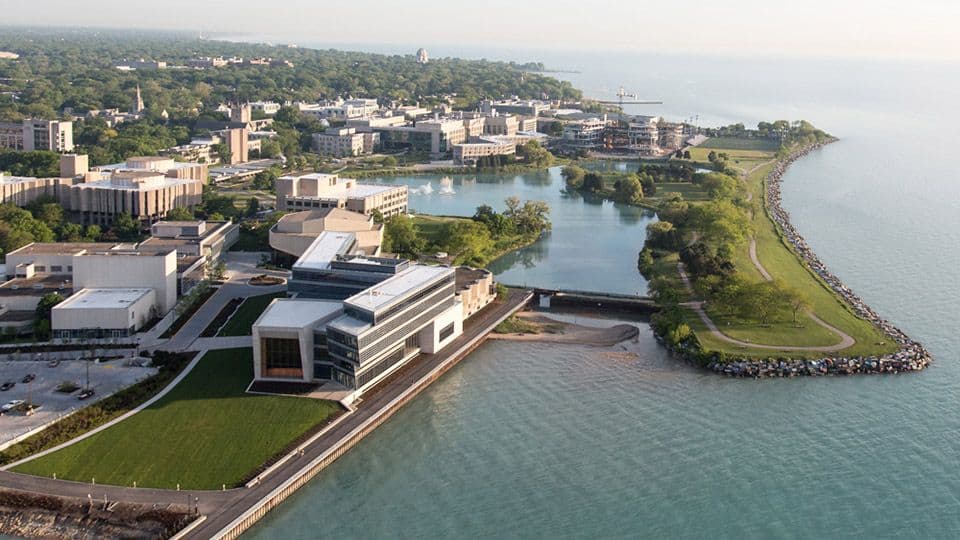
- Location: Northwestern University, United States
- Field of Study: Chemical Engineering
- Language of Instruction: English
Program Structure
Semester 1 – Foundations of Chemical & Biological Engineering
• Advanced Thermodynamics
• Transport Phenomena in Chemical and Biological Systems
• Biochemical Engineering Principles
• Research Methods and Laboratory Practices
Semester 2 – Applied Process Engineering, Innovation & Capstone
• Chemical Reaction Engineering
• Cell and Molecular Engineering
• Process Design and Simulation
• Capstone Research Project in Chemical and Biological Engineering
Career Opportunities
Graduates of this program are prepared for a wide range of roles across scientific, engineering, and research-intensive industries where chemical and biological processes play a central role. Many professionals work in biotechnology companies, pharmaceutical firms, chemical manufacturing organizations, and environmental engineering groups, contributing to process development, experimental research, product optimization, and system analysis. Responsibilities may include designing bioprocesses, analyzing chemical reactions, modeling biological behavior, evaluating sustainability metrics, or supporting regulatory documentation for engineered products. With strong preparation in interdisciplinary engineering, graduates are also well suited for positions in materials development, energy systems, industrial biotechnology, and quality engineering. The program further provides a solid foundation for those pursuing doctoral studies or research-focused roles in academia, government laboratories, or innovation-driven industries.
Why Choose This Program
This program is ideal for students seeking a fast-paced and academically rigorous pathway that combines chemical engineering principles with cutting-edge biological applications. Its curriculum highlights scientific depth, engineering integration, and research-centered learning, offering a balanced progression from foundational concepts to advanced analytical practice. The 9-month structure provides an efficient yet comprehensive experience supported by expert faculty, modern laboratory resources, and project-based research opportunities. Students benefit from hands-on experimentation, interdisciplinary collaboration, and exposure to emerging technologies that shape industries such as biotechnology, pharmaceuticals, and sustainable materials. For individuals aiming to build strong technical capabilities and contribute to scientific and engineering innovation, this program delivers a focused and future-oriented academic foundation.
Contact Information
For further information, please contact the admissions office at:
Phone: +1 312 555 2040
Email: admissions@northwestern.edu
Address: University of Northwestern, 633 Clark Street, Evanston, IL 60208, United States
