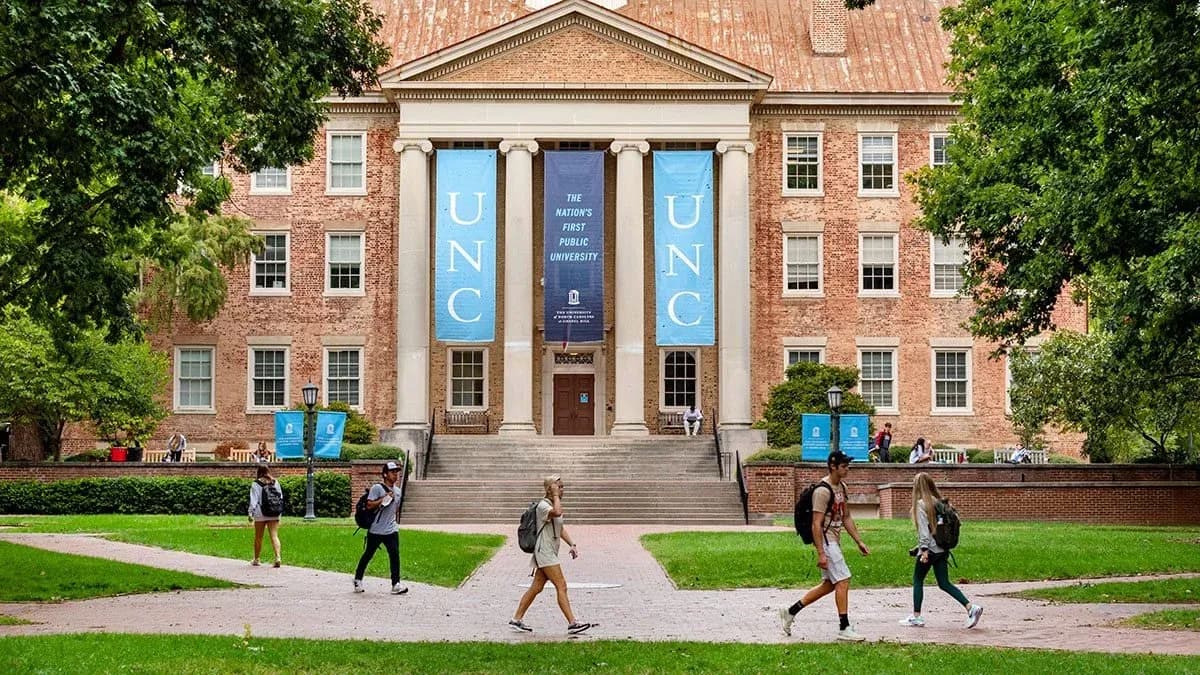

Child and Family Development
The Child and Family Development Bachelor of Arts program at the University of North Carolina offers students a comprehensive exploration of how children grow, learn, and develop within the context of families and communities. With a strong foundation in developmental psychology, the program emphasizes the emotional, cognitive, and social development of individuals from infancy through adolescence. Students also examine the dynamics of family systems, parenting practices, cultural influences, and public policy, learning how these elements affect children's well-being and lifelong outcomes. The curriculum is ideal for students interested in making a positive impact on children’s lives through education, advocacy, or human services.
Through coursework that integrates theory with practice, students develop skills in observation, assessment, communication, and intervention across a variety of settings. Classes include real-world case studies, discussions on developmental milestones, and engagement with diverse family structures. Faculty provide personalized guidance, while students gain experience through internships or fieldwork in schools, early learning centers, healthcare environments, or community programs. This program fosters empathy, critical thinking, and a deep understanding of how to support the needs of children and families in both everyday and challenging circumstances.
Key Facts
Key Facts
- Program Title: Child and Family Development
- Degree Type: Bachelor of Arts
- Duration: 4 years
- Mode of Study: Full-time, On Campus
- Application Deadline: 01 February 2026
- Location: University of North Carolina at Chapel Hill, United States
- Field of Study: Developmental Psychology
- Language of Instruction: English
Program Structure
Year 1 – Foundations of Human Development
• Introduction to Child Development
• Lifespan Human Growth and Behavior
• College Writing and Communication
• Foundations of Psychology or Sociology
• General Education in Science or Humanities
Year 2 – Family Systems and Cultural Contexts
• Family Dynamics and Parenting
• Cross-Cultural Perspectives on Childhood
• Theories of Developmental Psychology
• Introduction to Research Methods
• Elective in Health, Education, or Public Policy
Year 3 – Applied Development and Support Systems
• Child and Adolescent Mental Health
• Early Childhood Education or Social Policy
• Family Law and Child Welfare
• Developmental Assessment and Intervention
• Community Engagement or Applied Practicum
Year 4 – Specialization, Leadership, and Integration
• Capstone in Child and Family Studies
• Program Planning and Evaluation
• Internship in Education, Health, or Human Services
• Advocacy for Children and Families
• Seminar in Ethics and Professional Practice
Career Opportunities
Graduates of the Child and Family Development B.A. program are prepared for a variety of careers that focus on nurturing and supporting the well-being of children, adolescents, and families. Many find roles in early childhood education, family services, youth programs, and nonprofit organizations, working directly with families or in program development and support. Positions such as child life specialist, parent educator, behavioral aide, or family support coordinator are common career outcomes. Others may work in healthcare settings, government agencies, or educational institutions where knowledge of child development and family systems enhances service delivery and outreach. This program also lays a strong foundation for graduate studies in counseling, social work, education, or developmental psychology. With rising public awareness around mental health, child protection, and family stability, professionals who understand developmental stages and systemic influences are increasingly valued. This degree prepares students to meet those needs with compassion, professionalism, and research-informed practice—opening the door to impactful, meaningful, and people-centered careers.
Why Choose This Program
This program is ideal for students who want to make a real difference in the lives of children and families by combining scientific insight, practical skills, and human connection. It offers an academic environment that balances theory with field-based experience, helping students apply what they learn to real-world challenges. The University of North Carolina provides access to supportive faculty, strong community partnerships, and interdisciplinary opportunities that allow students to explore issues such as trauma, learning disabilities, family instability, and child development policy. Whether you're planning a career in education, health, advocacy, or counseling, this degree equips you with the tools to understand development holistically and intervene effectively. With its focus on ethical practice, cross-cultural understanding, and child-centered thinking, this program prepares students to lead with both knowledge and empathy, contributing to healthier families and stronger communities.
Contact Information
Phone: +1 (919) 966-3621
Email: unchelp@admissions.unc.edu
Address: Jackson Hall, 174 Country Club Road, Chapel Hill, NC 27514, USA
