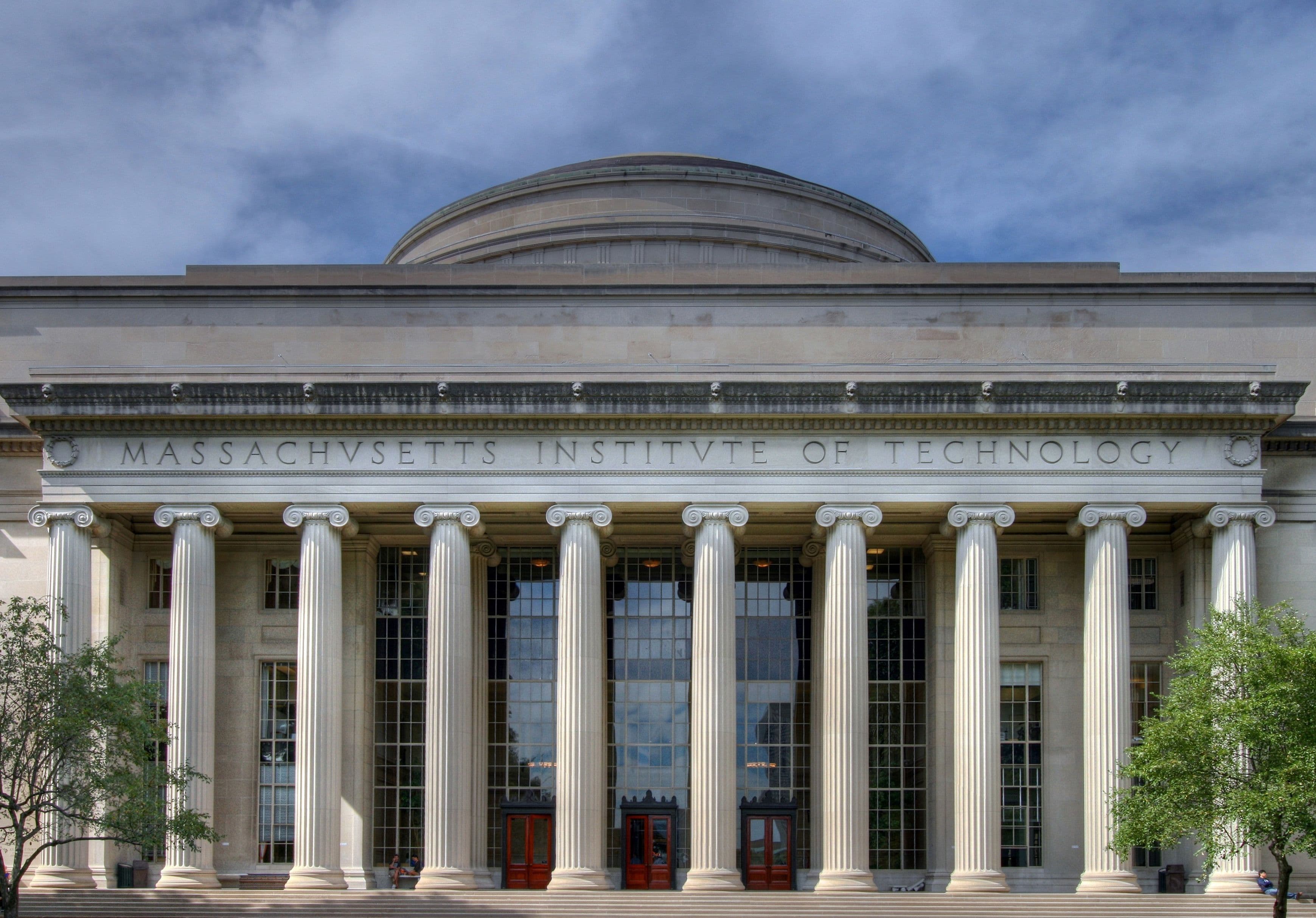

Civil and Environmental Engineering
The Master of Science in Civil and Environmental Engineering with a focus on Environmental Engineering at Massachusetts Institute of Technology (MIT) is a one-year, full-time program designed for students who are passionate about solving the world’s environmental challenges. This program provides advanced knowledge in environmental systems, focusing on topics such as water resources management, environmental remediation, sustainable infrastructure, and climate change mitigation. Students will explore the complexities of environmental systems and learn how to apply engineering principles to address critical issues such as pollution control, resource management, and ecosystem restoration.
MIT’s Environmental Engineering program combines cutting-edge research, interdisciplinary learning, and hands-on experience to equip students with the skills needed to develop innovative solutions for global environmental problems. Students work closely with faculty and industry experts on projects that address real-world environmental challenges, providing them with a strong foundation in both the technical and policy aspects of environmental engineering. Graduates of this program are prepared to lead in environmental consulting, governmental organizations, and the private sector, driving initiatives that promote sustainable development and environmental stewardship.
Key Facts
Key Facts
- Program Title: Civil and Environmental Engineering
- Degree Type: Master of Science
- Duration: 1 year
- Mode of Study: Full-time, On Campus
- Application Deadline: 01 December 2025
- Location: Massachusetts Institute of Technology (MIT), United States
- Field of Study: Environmental Engineering
- Language of Instruction: English
Program Structure
Semester 1 – Core Environmental Engineering Concepts
· Introduction to Environmental Engineering
· Environmental Chemistry and Pollution Control
· Water Resources and Wastewater Treatment
· Air Quality and Environmental Health
· Environmental Data Analysis and Modeling
Semester 2 – Advanced Environmental Engineering Topics
· Sustainable Infrastructure and Green Building Design
· Climate Change and Environmental Impact Assessment
· Waste Management and Environmental Policy
· Environmental Systems Design and Optimization
· Research Project in Environmental Engineering
Semester 3 – Specialization and Applied Research
· Environmental Remediation and Restoration
· Renewable Energy Systems and Technologies
· Environmental Risk Assessment and Management
· Advanced Topics in Water and Air Quality
· Internship or Fieldwork in Environmental Engineering
Semester 4 – Capstone Project and Thesis
· Independent Research / Thesis in Environmental Engineering
· Sustainable Development and Environmental Planning
· Final Project Presentation and Review
· Advanced Environmental Policy and Governance
· Final Academic Portfolio Development
Career Opportunities
Graduates of the Environmental Engineering Master’s program at MIT are well-equipped for careers in environmental consulting, government agencies, and private sector organizations focused on sustainability and environmental protection. With expertise in pollution control, water treatment, environmental remediation, and sustainable infrastructure, graduates can pursue roles as environmental engineers, sustainability consultants, policy advisors, and research scientists. The increasing global focus on addressing climate change, improving water quality, and promoting sustainable development ensures a growing demand for professionals with expertise in environmental engineering. MIT’s industry connections and global alumni network provide graduates with access to exceptional career opportunities in environmental protection and policy development.
Why Choose This Program
MIT’s Environmental Engineering program stands out for its innovative curriculum, focus on sustainability, and emphasis on solving the most pressing environmental challenges. The program combines state-of-the-art research, practical application, and interdisciplinary collaboration to prepare students to lead in the field of environmental engineering. Students benefit from MIT’s world-class faculty, cutting-edge laboratories, and the opportunity to engage with leading professionals in the environmental field. The program’s emphasis on sustainable engineering and global environmental policy ensures that graduates are well-prepared to tackle complex environmental problems, whether in policy, industry, or research. By studying at MIT, students gain the expertise and skills to drive environmental innovation and contribute to the future of sustainable development worldwide.
Contact Information
For further information, please contact the admissions office at:
Phone: +1 617-253-1000
Email: admissions@mit.edu
Address: University of MIT, 77 Massachusetts Avenue, Cambridge, MA 02139, USA
