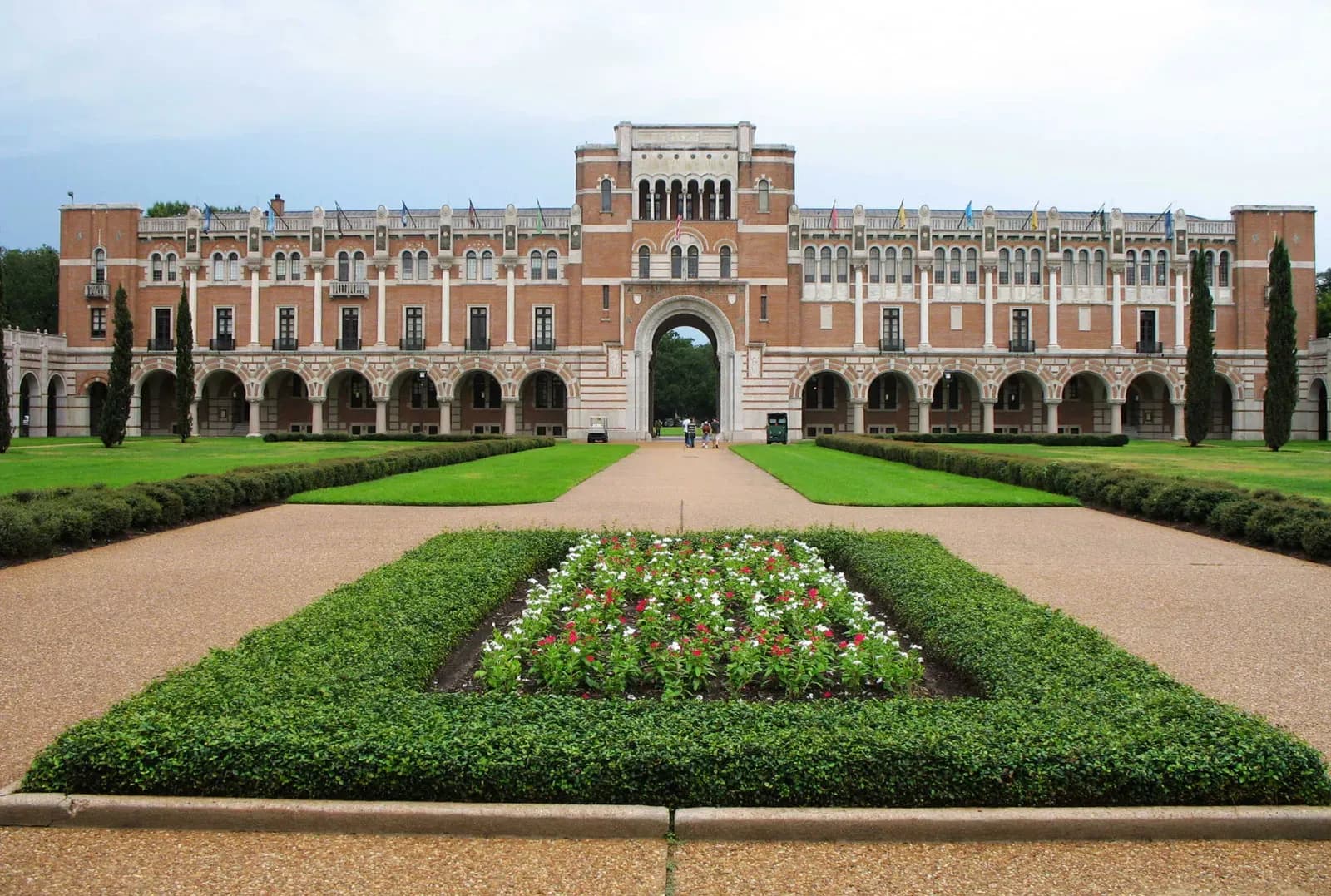

Civil and Environmental Engineering
The Master of Science in Civil and Environmental Engineering with a focus on Environmental Engineering is a two year full time program designed to prepare students for careers in sustainable infrastructure, environmental protection, and civil engineering projects. The curriculum combines rigorous technical instruction with applied learning, providing expertise in water and wastewater management, environmental modeling, sustainable design and engineering project management. Students gain practical experience through laboratory work, field studies, and research projects, while also developing critical skills in problem solving, analytical reasoning and technical communication. This program equips learners to address complex environmental challenges and design innovative engineering solutions that meet societal and ecological needs.
Throughout the two year program, students engage in courses and projects that integrate civil engineering principles with environmental science, regulatory frameworks, and sustainability practices. The curriculum emphasizes risk assessment, resource management, pollution control, and infrastructure optimization, preparing graduates to tackle pressing environmental issues. By combining theoretical understanding with hands-on applications, learners are able to analyze complex systems, implement sustainable solutions, and contribute effectively to interdisciplinary teams in both professional and research settings.
Key Facts
Key Facts
- Program Title: Civil and Environmental Engineering
- Degree Type: Master of Science
- Duration: 2 years
- Mode of Study: Full-time, On Campus
- Application Deadline: 15 January 2026
- Location: Rice University, United States
- Field of Study: Environmental Engineering
- Language of Instruction: English
Program Structure
Semester 1: Foundations in Environmental Engineering
• Environmental Chemistry and Microbiology
• Fluid Mechanics and Hydrology
• Environmental Systems Analysis
• Engineering Mathematics and Data Analysis
Semester 2: Applied Environmental Engineering
• Water and Wastewater Treatment
• Solid and Hazardous Waste Management
• Environmental Modeling and Simulation
• Laboratory Techniques and Field Methods
Semester 3: Advanced Topics in Environmental Systems
• Sustainable Infrastructure Design
• Environmental Risk and Impact Assessment
• Environmental Policy and Regulation
• Elective in Civil or Environmental Engineering
Semester 4: Research and Integration
• Capstone Project / Thesis
• Environmental Project Management
• Advanced Modeling and Data Analysis
• Elective in Sustainable Engineering Practices
Career Opportunities
Graduates of this program are prepared for a variety of professional roles requiring technical expertise, problem solving skills, and environmental stewardship. They may work as Environmental Engineer, Water Resource Specialist, Sustainability Consultant, Project Engineer or Research Associate in governmental agencies, consulting firms, research institutions, nonprofit organizations and private sector companies. The program equips students to design and manage engineering solutions for environmental challenges, analyze environmental data, implement sustainable practices, and contribute to infrastructure projects with ecological and social considerations. With strong technical and analytical skills, graduates are also well positioned to pursue leadership roles or continue with doctoral research in civil and environmental engineering fields.
Why Choose This Program
This program is ideal for students seeking an academically rigorous and applied engineering education focused on environmental systems, sustainable engineering, technical problem solving and project management. Its two year, on campus structure provides opportunities for hands-on laboratory work, field projects, and collaborative research, ensuring students develop practical experience alongside theoretical knowledge. The curriculum emphasizes integrating civil engineering principles with environmental and sustainability considerations, preparing graduates to implement innovative solutions, manage complex projects, and make impactful contributions to both professional and research settings in environmental engineering.
Contact Information
For further information, please contact the admissions office at:
Phone: 713-348-7423
Email: admission@rice.edu
Address: Office of Admission – MS 17, 109 Lovett Hall, 6100 Main Street, Houston, TX 77005, United States
