Civil Engineering and Engineering Mechanics
The Master of Science in Civil Engineering and Engineering Mechanics provides an in depth study of structural analysis, mechanics, and advanced civil engineering principles. Students explore material behavior, structural design, mechanics of solids, and construction technology while developing skills to analyze, design, and optimize civil structures. The program combines theoretical foundations with applied practice, helping learners develop technical expertise in designing safe, sustainable, and efficient infrastructure. Through coursework, laboratory exercises, and applied projects, students gain insight into how civil engineering principles guide the planning, construction, and maintenance of modern built environments.
The program also emphasizes computational modeling, structural analysis, and professional application. Faculty mentorship, hands on labs, and project based exercises allow students to build practical competence in structural evaluation, engineering design, and construction management. Graduates are prepared to work in engineering firms, construction companies, research institutions, and government agencies, applying their skills to design buildings, bridges, and infrastructure projects. The curriculum ensures that students leave with both conceptual understanding and applied skills essential for careers in civil engineering, structural mechanics, and construction management.
Key Facts
Key Facts
- Program Title: Civil Engineering and Engineering Mechanics
- Degree Type: Master of Science
- Duration: 1 year
- Mode of Study: Full-time, On Campus
- Application Deadline: 01 February 2026
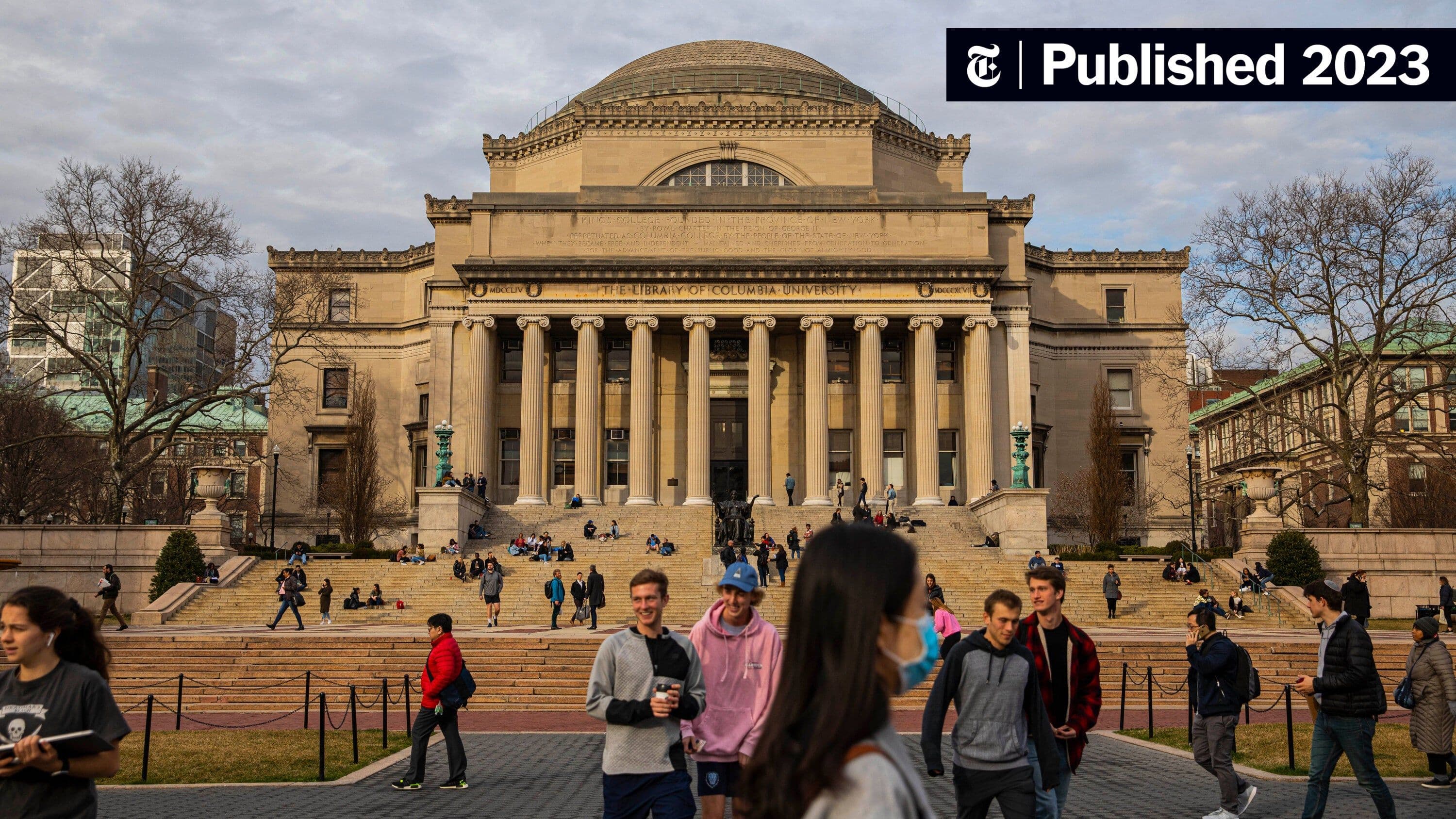
- Location: Columbia University, United States
- Field of Study: Civil Engineering & Construction
- Language of Instruction: English
Program Structure
Semester 1 Foundations in Civil Engineering
• Introduction to Civil Engineering and Mechanics
• Mechanics of Solids and Materials
• Structural Analysis and Design Principles
• Research Methods in Civil Engineering
Semester 2 Advanced Applications and Projects
• Advanced Structural Mechanics
• Construction Technology and Project Management
• Applied Project in Civil Engineering
• Seminar in Engineering Innovation
Career Opportunities
Graduates of this program are prepared for careers in engineering firms, construction companies, research institutions, and government agencies, where expertise in civil engineering and structural mechanics is essential. Alumni may work as structural engineers, civil design consultants, project managers, construction engineers, or research analysts, applying technical and applied skills to plan, design, and manage infrastructure projects. The combination of applied projects, structural analysis, and engineering expertise equips graduates to address challenges in urban planning, construction, and infrastructure development. Some graduates pursue doctoral studies in civil engineering or structural mechanics. Graduates leave ready to contribute to the design and construction of resilient built environments.
Why Choose This Program
Students choose this degree for its combination of engineering practice and applied mechanics, offering a curriculum that integrates structural theory, construction technology, and project management. The program emphasizes applied projects, laboratory exercises, and seminar discussions, allowing learners to develop skills in analyzing structures, managing construction projects, and applying engineering solutions. Faculty mentorship, applied exercises, and project work support students in translating theoretical knowledge into practical civil engineering applications. For individuals seeking a graduate program that prepares them for impactful careers in civil engineering, structural design, and construction management, this degree provides a focused and highly relevant pathway.
Contact Information
For further information, please contact the admissions office at:
Phone: +1 212 854 1754
Email: admissions@columbia.edu
Address: University of Columbia, Admissions Office, New York, NY, United States
