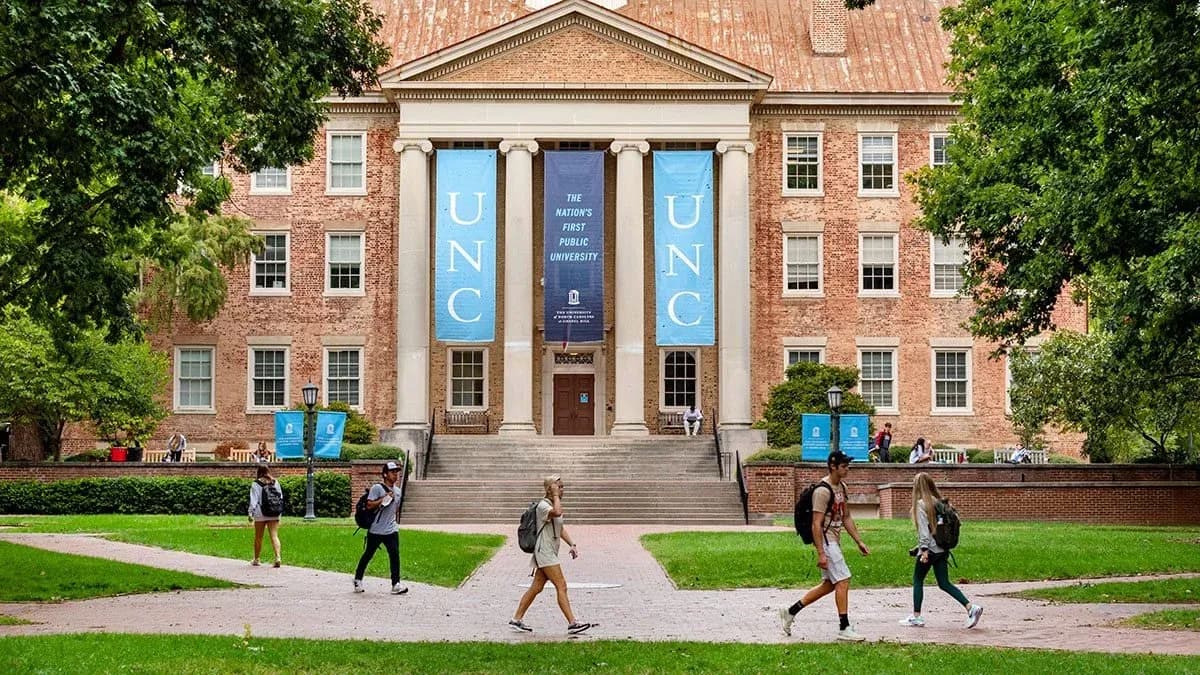

Civil Engineering
The Civil Engineering Bachelor of Science program at the University of North Carolina prepares students to design, analyze, and manage the infrastructure systems that support modern life. From bridges and roads to water systems and buildings, civil engineers play a vital role in creating safe, efficient, and sustainable environments. The program provides a strong foundation in physics, mathematics, and engineering principles, while gradually introducing structural design, materials science, and environmental systems. Students are trained to think critically, solve complex technical problems, and apply engineering ethics in real-world scenarios.
The curriculum emphasizes both theory and practice, combining lecture-based instruction with hands-on lab work, computer modeling, and project-based learning. Students work in teams to address engineering challenges, simulate construction plans, and analyze design constraints using industry-standard tools. Faculty mentorship and opportunities for undergraduate research further enrich the academic experience. By the end of the program, students are well-equipped to lead civil engineering projects from conception to completion, with a focus on safety, sustainability, and efficiency in both public and private sector applications.
Key Facts
Key Facts
- Program Title: Civil Engineering
- Degree Type: Bachelor of Science
- Duration: 4 years
- Mode of Study: Full-time, On Campus
- Application Deadline: 01 February 2026
- Location: University of North Carolina at Chapel Hill, United States
- Field of Study: Civil Engineering & Construction
- Language of Instruction: English
Program Structure
Year 1 – Engineering and Scientific Foundations
• Calculus I and II
• General Chemistry with Lab
• Introduction to Civil Engineering
• Engineering Graphics and Design
• Physics I with Lab
Year 2 – Core Principles and Technical Tools
• Mechanics of Materials
• Engineering Statics and Dynamics
• Surveying and Geomatics
• Differential Equations
• Computer Applications in Civil Engineering
Year 3 – Design, Systems, and Applications
• Structural Analysis and Design
• Fluid Mechanics and Hydraulics
• Geotechnical Engineering
• Environmental Engineering Fundamentals
• Transportation Systems Engineering
Year 4 – Integration, Practice, and Leadership
• Capstone Civil Engineering Design Project
• Construction Engineering and Management
• Professional Practice and Ethics
• Elective in Water Resources or Sustainable Design
• Internship or Field Experience (optional)
Career Opportunities
Graduates of the Civil Engineering B.S. program are prepared for impactful careers in infrastructure development, environmental protection, and urban design. They often work in construction firms, government agencies, consulting companies, and engineering departments, applying their expertise to build and maintain roads, bridges, airports, dams, tunnels, and water systems. With growing concerns about climate change and population growth, civil engineers are also needed in disaster mitigation, green infrastructure, and sustainable city planning. Alumni frequently pursue roles such as structural engineers, site supervisors, transportation analysts, and project managers. Many also prepare for professional licensure as Professional Engineers (PE), enhancing their responsibilities and career mobility. Some choose to continue into graduate studies in structural, environmental, or geotechnical engineering. As global infrastructure demands increase, professionals with technical precision, project management skills, and an understanding of sustainable design will be critical. This degree positions graduates for long-term success in shaping resilient cities, critical systems, and community-centered infrastructure.
Why Choose This Program
This program offers a rigorous and well-rounded engineering education with a focus on practical design, system integration, and technical innovation. The University of North Carolina provides access to modern labs, collaborative workspaces, and faculty with expertise across every major branch of civil engineering. Students benefit from team-based projects, field-based learning, and internship opportunities that strengthen both their technical and leadership skills. The curriculum is designed not only to meet academic accreditation standards but also to reflect the evolving demands of the engineering profession. Whether you aspire to design structures, solve water resource challenges, or contribute to sustainable urban development, this program prepares you to lead with both technical skill and ethical responsibility. With its balance of theory and application, this degree helps students build a career grounded in engineering excellence, sustainable solutions, and public impact.
Contact Information
Phone: +1 (919) 966-3621
Email: unchelp@admissions.unc.edu
Address: Jackson Hall, 174 Country Club Road, Chapel Hill, NC 27514, USA
