
Civil Engineering, Energy Infrastructure
The Civil Engineering, Energy Infrastructure Bachelor of Science program at the University of North Carolina prepares students to shape the future of energy systems through a foundation in structural, geotechnical, and environmental engineering. This four-year program focuses on designing, building, and maintaining the infrastructure that powers modern societies. Students gain a solid grounding in engineering mechanics, materials science, hydraulics, and energy systems, while also learning how civil engineering intersects with sustainable energy production and distribution. The curriculum integrates lab work, computer-aided design (CAD), and real-world case studies to ensure students develop both theoretical knowledge and technical competency.
From renewable energy facilities to transportation networks that support energy supply, the program emphasizes how infrastructure decisions impact environmental sustainability, economic development, and public safety. Students explore topics such as smart grid design, resilient infrastructure, and energy-efficient urban systems. They also work in interdisciplinary teams to solve complex engineering challenges. With access to modern labs, experienced faculty, and industry collaborations, learners are encouraged to innovate within the growing field of energy infrastructure. This degree cultivates the problem-solving mindset and ethical perspective necessary for civil engineers working in an energy-conscious world.
Key Facts
Key Facts
- Program Title: Civil Engineering, Energy Infrastructure
- Degree Type: Bachelor of Science
- Duration: 4 years
- Mode of Study: Full-time, On Campus
- Application Deadline: 01 February 2026
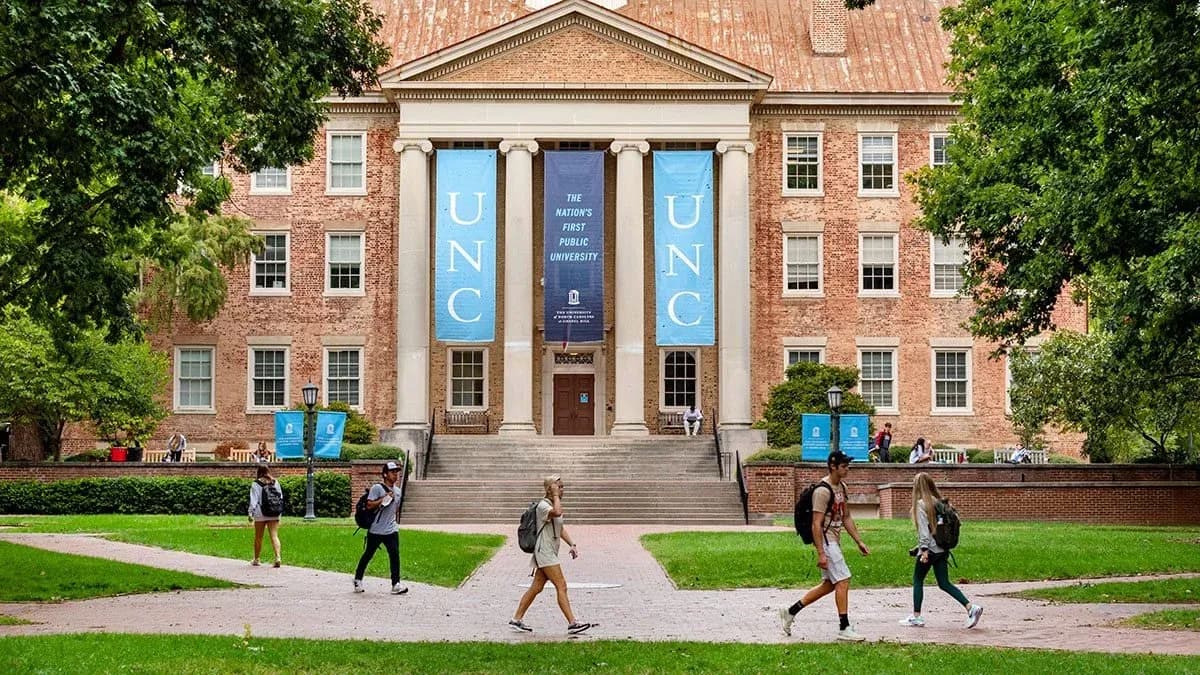
- Location: University of North Carolina at Chapel Hill, United States
- Field of Study: Civil Engineering & Construction
- Language of Instruction: English
Program Structure
Year 1 – Engineering Foundations and Basics
• Calculus I & II
• Physics for Engineers
• Introduction to Civil Engineering
• Engineering Graphics and CAD
• General Chemistry
Year 2 – Core Civil Engineering Skills
• Mechanics of Materials
• Fluid Mechanics
• Surveying and Geospatial Analysis
• Structural Analysis
• Environmental Engineering Fundamentals
Year 3 – Energy Systems and Infrastructure Design
• Energy Infrastructure Planning
• Transportation Engineering
• Concrete and Steel Structures
• Hydrology and Water Resources
• Elective: Renewable Energy Engineering
Year 4 – Specialization and Application
• Smart and Sustainable Infrastructure
• Civil Engineering Capstone Project
• Construction Project Management
• Energy Policy and Infrastructure Economics
• Technical Elective or Internship
Career Opportunities
Graduates of this program enter a growing sector where engineering innovation, energy system knowledge, infrastructure planning, and sustainability awareness are essential. They pursue roles such as energy infrastructure engineer, project manager, transportation systems designer, structural engineer, and environmental consultant. Employment opportunities exist within engineering firms, construction companies, government agencies, renewable energy providers, and public utilities. Some graduates focus on infrastructure resilience or smart city development, while others contribute to global energy transitions by working on sustainable power grids and low-carbon transportation systems. The technical and analytical training offered by this program ensures that graduates can adapt to diverse and evolving challenges in civil and energy engineering fields.
Why Choose This Program
This program offers a forward-looking approach to civil engineering by integrating energy infrastructure into every layer of its curriculum. Students benefit from an educational experience that combines technical depth, design creativity, real-world relevance, and environmental responsibility. The University of North Carolina provides hands-on lab access, mentorship by faculty with industry expertise, and opportunities to engage with professionals through internships and senior projects. Whether aiming to work on renewable power plants, urban energy grids, or climate-resilient structures, students receive the preparation needed to build infrastructure that meets the demands of a changing world. Choosing this program means committing to engineering solutions that are not only structurally sound but also energy-efficient, economically viable, and environmentally responsible.
Contact Information
Phone: +1 (919) 966-3621
Email: unchelp@admissions.unc.edu
Address: Jackson Hall, 174 Country Club Road, Chapel Hill, NC 27514, USA
