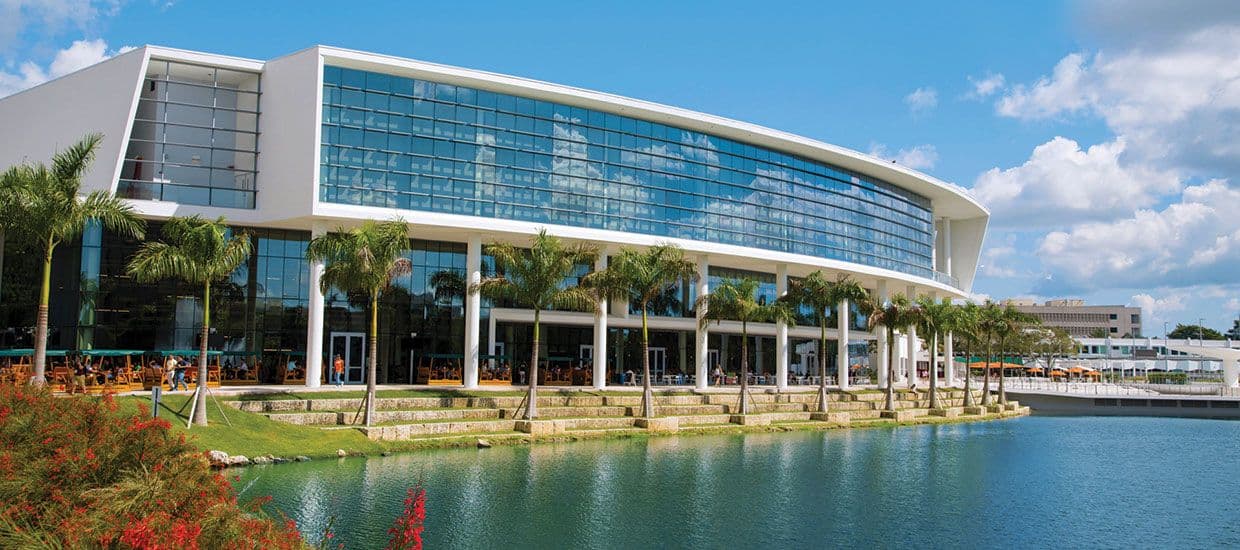

Classical and Traditional Design
The Master of Science in Classical and Traditional Design offers a rigorous academic experience that bridges timeless design principles with modern applications. This full-time, one-year program immerses students in the theoretical foundations and practical techniques of classical architecture and traditional design aesthetics. Through intensive coursework and studio-based learning, students gain expertise in historical proportion systems, ornamentation, symmetry, drawing methods, and traditional construction techniques. The program cultivates a deep appreciation for the artistic and philosophical roots of classical design, empowering students to recognize the cultural and contextual relevance of past styles in today’s built environment.
The curriculum integrates historical analysis with hands-on studio practice, encouraging students to reinterpret traditional design for contemporary needs. With a strong interdisciplinary focus, the program touches on classical influences in architecture, interior design, landscape design, and urbanism. By studying exemplary works from antiquity to the early modern period, students develop a keen eye for craftsmanship, spatial harmony, and aesthetic balance. Field visits to historic structures, guest lectures from master practitioners, and collaborative design projects further enrich the learning experience. Graduates leave the program with not only refined design skills but also a thoughtful understanding of how to preserve, adapt, and continue classical traditions in today’s design world.
Key Facts
Key Facts
- Program Title: Classical and Traditional Design
- Degree Type: Master of Science
- Duration: 1 year
- Mode of Study: Full-time, On Campus
- Application Deadline: 01 December 2025
- Location: University of Miami, United States
- Field of Study: Design
- Language of Instruction: English
Program Structure
Semester 1 – Foundations of Classical Design
• History of Classical Architecture
• Proportions and Geometry in Design
• Drawing Techniques and Hand Rendering
• Materials and Methods in Traditional Construction
Semester 2 – Application and Design Studio
• Studio: Classical Building Design
• Ornament and Detail in Architecture
• Historic Preservation Theory
• Final Design Project and Presentation
Career Opportunities
Graduates of this program are equipped to pursue careers in architectural firms, heritage preservation offices, urban design consultancies, and design studios specializing in classical or traditional work. They often take on roles such as architectural designers, restoration specialists, or consultants for projects involving historic structures or classically inspired new developments. Their ability to blend historical accuracy with modern design sensibilities makes them highly valued in restoration initiatives, luxury residential design, museum and cultural site planning, and custom building practices. Additionally, the program provides a strong foundation for further academic research or doctoral studies in architectural history or traditional design theory, enabling graduates to contribute to both practice and scholarship in the field.
Why Choose This Program
This program is ideal for design professionals and graduates who are passionate about the aesthetic richness, cultural continuity, and philosophical depth of classical and traditional design. In an era dominated by rapid modernization, this program offers a unique opportunity to reconnect with enduring design values and to create spaces that are beautiful, proportionate, and contextually grounded. The curriculum is carefully crafted to blend studio learning with historical scholarship, providing a comprehensive approach to classical design education. With access to skilled mentors, small class sizes, and immersive learning experiences, students develop the design fluency and craftsmanship necessary to excel in both traditional and contemporary practice. For those who seek to honor tradition while creating meaningful architecture for today, this program offers an intellectually fulfilling and professionally rewarding path.
Contact Information
For further information, please contact the admissions office at:
Phone: +1 305 284 2000
Email: admissions@miami.edu
Address: University of Miami, 1320 S Dixie Hwy, Coral Gables, FL 33146, United States
