Bachelor of Arts · Full-time · On Campus

Vanderbilt University
Nashville, United States
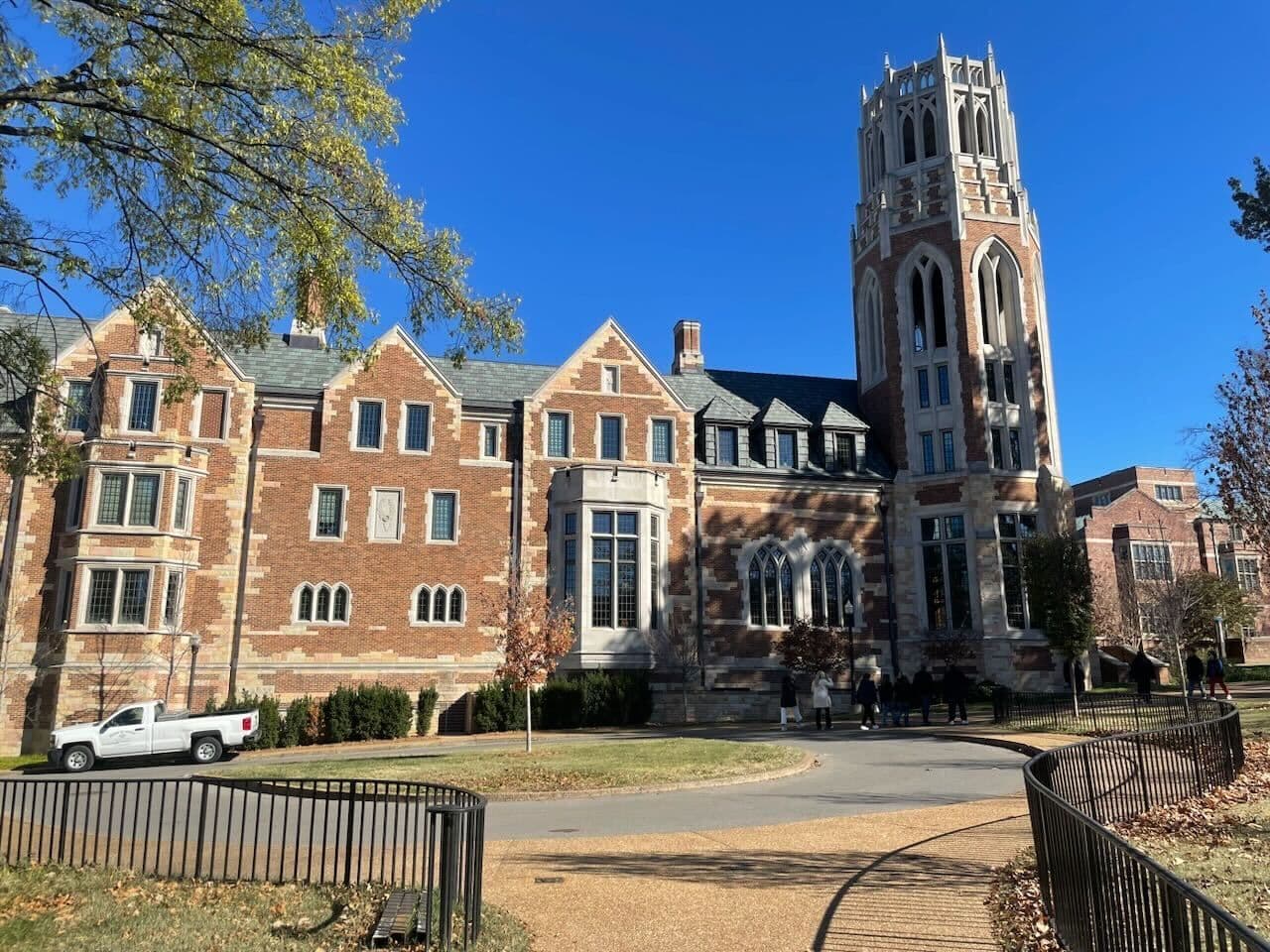
Vanderbilt University’s Climate Studies Bachelor of Science program offers students a deep exploration of the Earth’s climate systems, equipping them with scientific tools to understand, analyze, and address the global climate crisis. This interdisciplinary program integrates atmospheric science, environmental studies, physics, data modeling, and policy analysis to provide a robust foundation for understanding how natural and human processes interact to shape climate behavior across scales.
Students gain practical experience with climate data, research technologies, and analytical methods used in forecasting, climate modeling, and sustainability planning. The curriculum blends theoretical knowledge with hands-on training through lab work, research projects, and field studies. This academic approach cultivates both scientific and critical reasoning skills, preparing graduates to actively contribute to climate science, environmental policy, and public communication related to climate resilience and adaptation.
Year 1 – Foundations of Climate Science
• Introduction to Climate Systems
• General Chemistry I & II
• Environmental Science Fundamentals
• Calculus for Scientists
Year 2 – Atmospheric and Physical Processes
• Meteorology and Weather Systems
• Physics for Climate Applications
• Data Analysis in Environmental Science
• Introduction to Geographic Information Systems (GIS)
Year 3 – Climate Modeling and Human Impact
• Climate Change: Science and Policy
• Remote Sensing for Climate Studies
• Climate Modeling and Simulations
• Environmental Ethics and Decision Making
Year 4 – Applied Research and Specialization
• Senior Research Seminar in Climate Studies
• Independent Research Project
• Climate Risk and Adaptation Strategies
• Elective: Renewable Energy Systems / Ocean-Atmosphere Dynamics
Graduates of this program can pursue impactful careers in climate policy, environmental consulting, meteorology, sustainability analysis, and climate research. Many find roles within government agencies, research institutions, nonprofits, and international organizations focused on climate resilience, energy transition, or environmental health. Others move into specialized sectors such as renewable energy, disaster risk management, or urban planning. The program also prepares students for advanced degrees in atmospheric science, environmental engineering, geography, or public policy, enabling them to deepen their impact in shaping a more sustainable and climate-resilient future.
This program uniquely combines scientific depth, real-world application, and interdisciplinary perspective, making it ideal for students eager to tackle one of the most pressing issues of our time. With access to Vanderbilt’s expert faculty, cutting-edge research, and collaborative learning environment, students develop strong analytical and problem-solving abilities. The integration of climate science with data tools and policy insight ensures graduates are equipped not only to understand the climate crisis but to lead solutions. For those committed to environmental responsibility and scientific engagement, this program offers both relevance and purpose in a changing world.
For further information, please contact the admissions office at:
Phone: (615) 322-2561
Email: admissions@vanderbilt.edu
Address: University of Vanderbilt, Office of Undergraduate Admissions, 2305 West End Avenue, Nashville, TN 37203‑1727, United States
Bachelor of Arts · Full-time · On Campus
Vanderbilt University
Nashville, United States
Bachelor of Science · Full-time · On Campus
Vanderbilt University
Nashville, United States
Master of Arts · Full-time · On Campus
Vanderbilt University
Nashville, United States
Bachelor of Arts · Full-time · On Campus
Vanderbilt University
Nashville, United States
