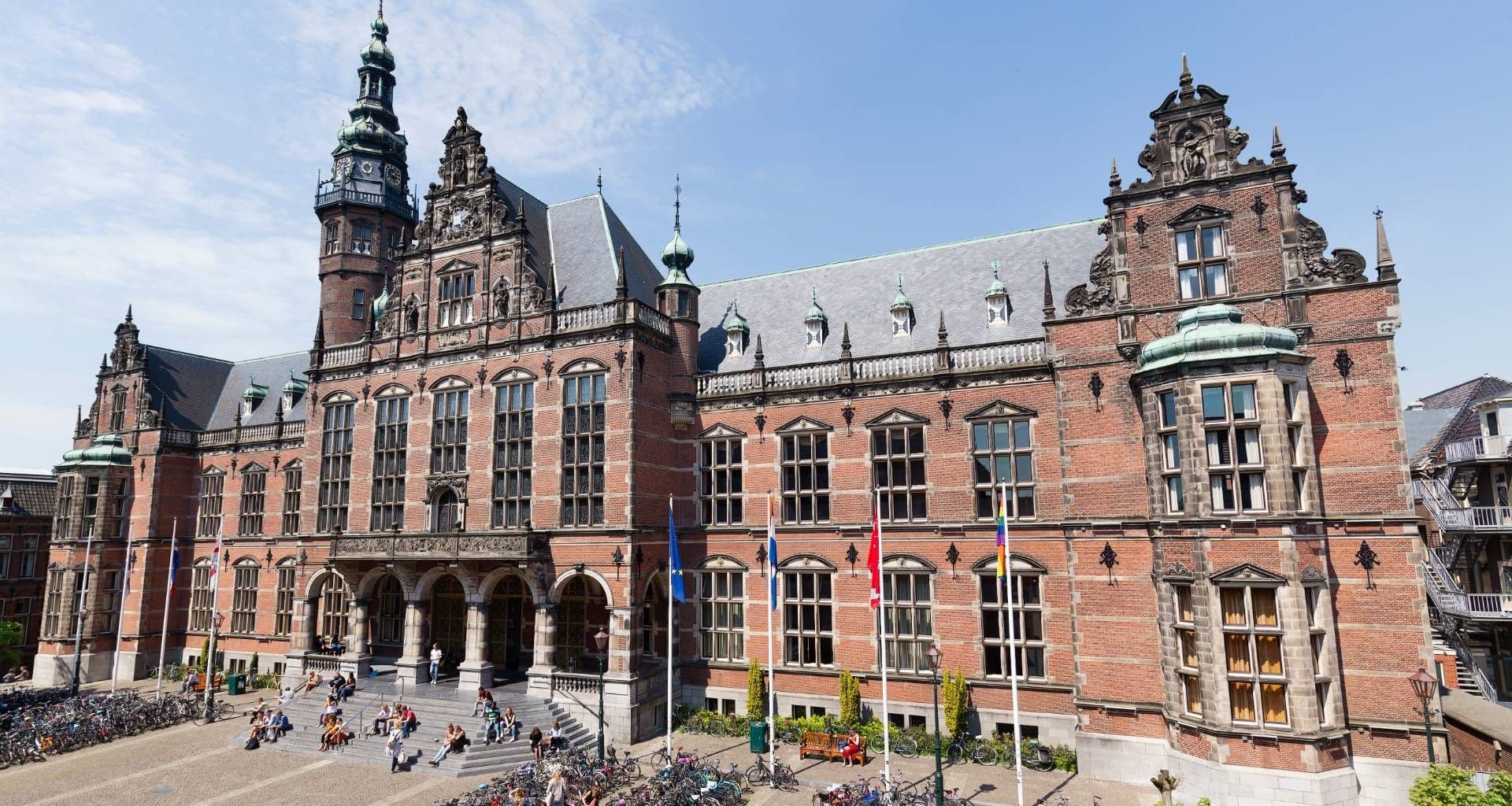

Clinical and Psychosocial Epidemiology
The Master of Science in Clinical and Psychosocial Epidemiology at the University of Groningen is a two-year, full-time, on-campus program designed to provide students with advanced knowledge in the epidemiology of clinical and psychosocial health issues. This program focuses on the study of disease patterns, risk factors, and the impact of psychosocial factors on health. Students will engage with topics such as clinical research methods, mental health epidemiology, public health interventions, and the social determinants of health, preparing them to contribute to improving public health outcomes.
Graduates will be well-prepared for careers in epidemiological research, public health, and mental health policy. The University of Groningen offers access to expert faculty, state-of-the-art research facilities, and strong industry connections, ensuring students develop the skills necessary to succeed in the field of clinical and psychosocial epidemiology.
Key Facts
Key Facts
- Program Title: Clinical and Psychosocial Epidemiology
- Degree Type: Master of Science
- Duration: 2 years
- Mode of Study: Full-time, On Campus
- Application Deadline: 01 May 2026
- Location: University of Groningen, Netherlands
- Field of Study: Epidemiology
- Language of Instruction: English
Program Structure
Semester 1 – Foundations in Clinical and Psychosocial Epidemiology
- Introduction to Epidemiology and Public Health
- Psychosocial Factors and Health Outcomes
- Epidemiological Research Methods
- Research Methods in Clinical Epidemiology
Semester 2 – Advanced Clinical and Psychosocial Epidemiology
- Advanced Clinical Epidemiology Techniques
- Behavioral and Psychological Factors in Health
- Disease Prevention and Health Promotion
- Research Project in Clinical Epidemiology
Semester 3 – Specialization in Clinical and Psychosocial Epidemiology
- Mental Health Epidemiology
- Chronic Disease and Epidemiology
- Social Determinants of Health
- Research Project in Specialized Epidemiology
Semester 4 – Master’s Thesis & Final Project
- Independent Research / Thesis
- Application of Epidemiological Studies in Clinical Settings
- Presentation & Academic Portfolio Development
Career Opportunities
Graduates of the Clinical and Psychosocial Epidemiology Master’s program can work in public health, epidemiology research, and psychosocial health. With expertise in the relationship between mental health and physical health, graduates are prepared for roles as epidemiologists, public health advisors, or clinical researchers. This program offers opportunities in healthcare systems, research institutions, and public health organizations.
Why Choose This Program
The Clinical and Psychosocial Epidemiology Master’s program focuses on the study of how psychological and social factors affect health outcomes. Students learn about epidemiological research methods, clinical trials, and psychosocial health interventions. The program’s interdisciplinary approach ensures that graduates are ready to work in public health, health policy, and clinical research. Graduates are equipped to contribute to improving mental and physical health outcomes at both the individual and population levels.
Contact Information
For further information, please contact the admissions office at:
Phone: +31 50 363 9111
Email: study@rug.nl
Address: University of Groningen, Broerstraat 5, 9712 CP Groningen, Netherlands
