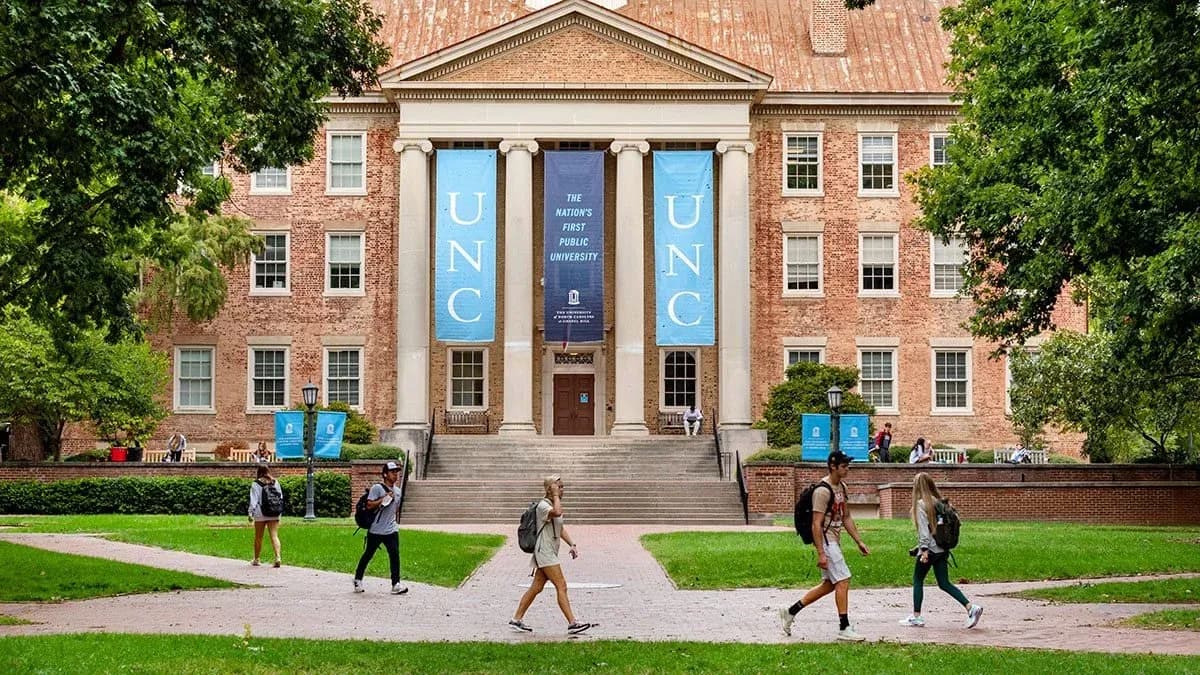

Clinical Mental Health Counseling
The Clinical Mental Health Counseling Master of Arts program at the University of North Carolina provides students with a comprehensive academic and professional foundation that prepares them to address diverse mental health needs across communities. The curriculum emphasizes theoretical understanding, counseling techniques and evidence based practices that support the emotional and psychological well being of individuals. Students develop clinical assessment, therapeutic practice, ethical judgment and strong interpersonal communication skills, allowing them to gain confidence in their role as developing mental health professionals.
The program integrates classroom learning with supervised field experience, enabling students to connect theoretical frameworks to real counseling environments. Learners engage in reflective practice, case analysis and research based exploration that deepens their understanding of client needs, developmental processes and social context. Faculty mentorship helps students strengthen their analytical insight, therapeutic reasoning, professional identity and commitment to client centered care. Through this combination of academic depth and practical experience, students build a strong foundation for work in mental health settings that require empathy, structured evaluation and informed decision making.
Key Facts
Key Facts
- Program Title: Clinical Mental Health Counseling
- Degree Type: Master of Arts
- Duration: 2 years
- Mode of Study: Full-time, On Campus
- Application Deadline: 01 August 2026
- Location: University of North Carolina at Chapel Hill, United States
- Field of Study: Psychology
- Language of Instruction: English
Program Structure
Semester 1 Foundations in Counseling Theory and Practice
• Introduction to Counseling Theories
• Human Growth and Development
• Counseling Skills and Techniques
• Ethics and Professional Standards
Semester 2 Applied Mental Health Counseling Methods
• Psychopathology and Diagnosis
• Multicultural Counseling
• Group Counseling Processes
• Research Methods in Counseling
Semester 3 Clinical Practice and Advanced Assessment
• Assessment in Mental Health Settings
• Career Counseling and Life Planning
• Counseling Practicum
• Evidence Based Interventions
Semester 4 Internship and Professional Development
• Clinical Internship in Mental Health Counseling
• Treatment Planning and Case Management
• Advanced Counseling Strategies
• Professional Preparation and Portfolio Review
Career Opportunities
Graduates of this program are prepared for a wide spectrum of roles in environments that require strong clinical training, ethical commitment and the ability to support mental health needs across varied populations. Many pursue careers in community mental health centers, private counseling practices, school counseling services and hospital behavioral health departments, where they work directly with clients through assessment, treatment planning and therapeutic interventions. Others take positions in rehabilitation programs, nonprofit organizations, university counseling centers or agencies serving specialized populations. The programs balanced emphasis on evidence based practice, multicultural awareness and applied clinical training enables graduates to adapt to evolving mental health challenges while maintaining professional responsibility and informed judgment. These skills also support progression toward licensure and long term development within the counseling field.
Why Choose This Program
This program is an excellent choice for students who aspire to work in roles where emotional support, ethical practice and therapeutic understanding are central to client well being. Its curriculum blends rigorous academic study with extensive supervised experience to ensure learners gain a realistic and informed perspective on clinical work. Students benefit from faculty who incorporate research, professional experience and client focused approaches into their teaching, helping learners build strong diagnostic reasoning, treatment planning abilities and communication skills. The program also fosters deep reflection on cultural, social and developmental factors that influence mental health, allowing students to approach client needs with sensitivity and comprehensive insight. Through practicum and internship placements, learners gain applied experience that strengthens professional confidence, clinical readiness, therapeutic depth and research informed decision making, enabling them to transition smoothly into mental health environments that demand responsibility, compassion and analytical precision. With its emphasis on academic rigor, supervised practice and holistic development, the program provides a substantial foundation for those who wish to make meaningful contributions to mental health care and become effective and ethical counseling professionals.
Contact Information
Phone: +1 (919) 966-3621
Email: unchelp@admissions.unc.edu
Address: Jackson Hall, 174 Country Club Road, Chapel Hill, NC 27514, USA
