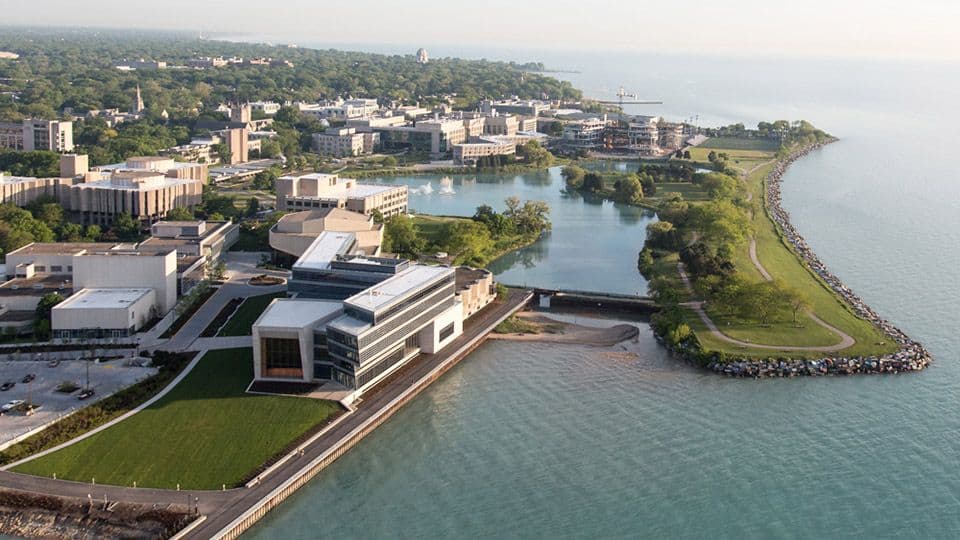

Clinical Psychology
The Master of Arts in Clinical Psychology offers a research-informed and therapeutically focused curriculum for students who want to understand how psychological processes influence mental health, behavior, and emotional well-being. The program integrates coursework in psychopathology, psychological assessment, intervention techniques, and developmental psychology, providing a strong foundation for analyzing how individuals respond to internal and external stressors. Through case evaluations, theory-based discussions, and applied exercises, students explore the origins of psychological disorders, the mechanisms behind treatment approaches, and the ethical considerations that guide clinical practice. This structure supports a deep understanding of how evidence-based psychological science informs therapeutic decision-making.
In addition to theoretical study, the program emphasizes hands-on skill development through supervised practicum placements, clinical simulations, and collaborative learning environments. Students strengthen competencies in diagnostic interviewing, treatment planning, research methodology, and therapeutic communication as they learn to support individuals struggling with emotional, cognitive, or behavioral difficulties. Exposure to real clinical settings, professional supervision, and interdisciplinary collaboration allows learners to understand how mental health professionals work within healthcare systems, community agencies, and private practice. By merging scientific knowledge with practical experience, the program prepares graduates to engage in responsible, compassionate, and culturally sensitive clinical work.
Key Facts
Key Facts
- Program Title: Clinical Psychology
- Degree Type: Master of Arts
- Duration: 2 years
- Mode of Study: Full-time, On Campus
- Application Deadline: 01 May 2026
- Location: Northwestern University, United States
- Field of Study: Clinical Psychology
- Language of Instruction: English
Program Structure
Semester 1 – Foundations of Clinical Theory, Assessment & Development
• Clinical Psychology Theories
• Lifespan Development and Behavior
• Psychological Assessment I
• Ethics and Professional Practice
Semester 2 – Psychopathology, Counseling Skills & Applied Methods
• Psychopathology and Diagnosis
• Counseling Techniques and Interviewing
• Psychological Assessment II
• Skills Lab / Practicum Preparation
Semester 3 – Therapeutic Interventions, Research & Clinical Experience
• Evidence-Based Intervention Methods
• Research Methods in Clinical Psychology
• Cultural and Social Factors in Mental Health
• Supervised Practicum I
Semester 4 – Advanced Practice, Evaluation & Capstone
• Clinical Case Formulation and Treatment Evaluation
• Advanced Psychotherapy Techniques
• Supervised Practicum II
• Clinical Psychology Capstone Project
Career Opportunities
Graduates of this program are prepared for clinical, counseling, and research-support roles across settings where mental health expertise is essential. Many professionals work in mental health clinics, community counseling centers, hospitals, and educational institutions, contributing to assessment services, treatment planning, crisis support, and ongoing therapeutic care. Responsibilities may include conducting diagnostic interviews, facilitating individual or group therapy, documenting clinical progress, collaborating with interdisciplinary teams, implementing evidence-based interventions, and supporting clients coping with emotional or behavioral challenges. With strong training in assessment and therapeutic methods, graduates are also suited for roles in research coordination, behavioral health programs, social service agencies, and rehabilitation settings. The program further provides a solid foundation for pursuing doctoral studies in clinical psychology or related applied fields.
Why Choose This Program
This program is ideal for students who wish to combine rigorous psychological training with applied clinical experience to support individuals facing mental health concerns. Its curriculum emphasizes therapeutic competence, scientific understanding, and ethical clinical practice, guiding learners from foundational theory to advanced intervention and supervised fieldwork. Over two years, students benefit from mentorship by experienced clinicians, exposure to diverse client populations, and structured practicum experiences that build real-world confidence. The program’s blend of research, practice, and professional preparation ensures graduates are equipped with the skills needed to pursue licensure pathways or continue into advanced graduate study. For individuals committed to promoting psychological well-being and making a meaningful impact in clinical settings, this program offers a comprehensive and future-focused academic journey.
Contact Information
For further information, please contact the admissions office at:
Phone: +1 312 555 2040
Email: admissions@northwestern.edu
Address: University of Northwestern, 633 Clark Street, Evanston, IL 60208, United States
